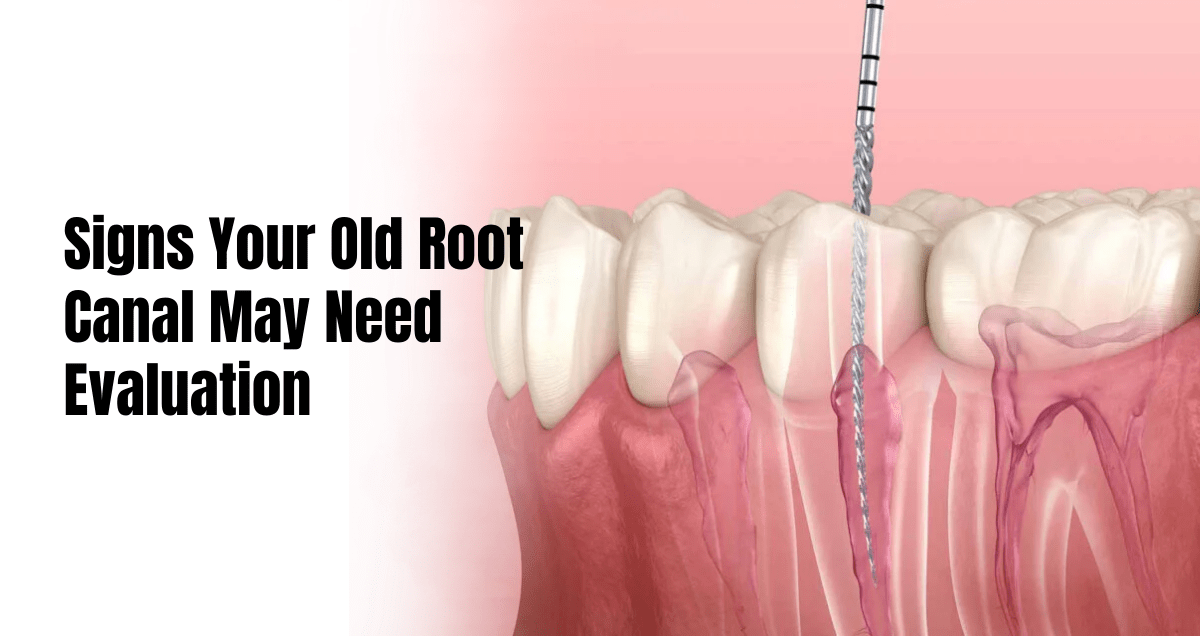
Root canal treatment is one of the most successful procedures in modern dentistry. It is designed to remove infection from inside the tooth and preserve your natural tooth structure for years. In many cases, a well-performed root canal can last decades without complications.
However, sometimes a previously treated tooth may develop new symptoms. When this happens, root canal retreatment may be required to eliminate infection and restore the tooth’s health.
Understanding when retreatment is necessary can help prevent severe complications such as bone loss, abscess formation, or tooth extraction.
Why Would a Root Canal Need Retreatment?
Root canal retreatment does not automatically mean the original procedure was poorly done. Several factors can lead to reinfection months or even years later.
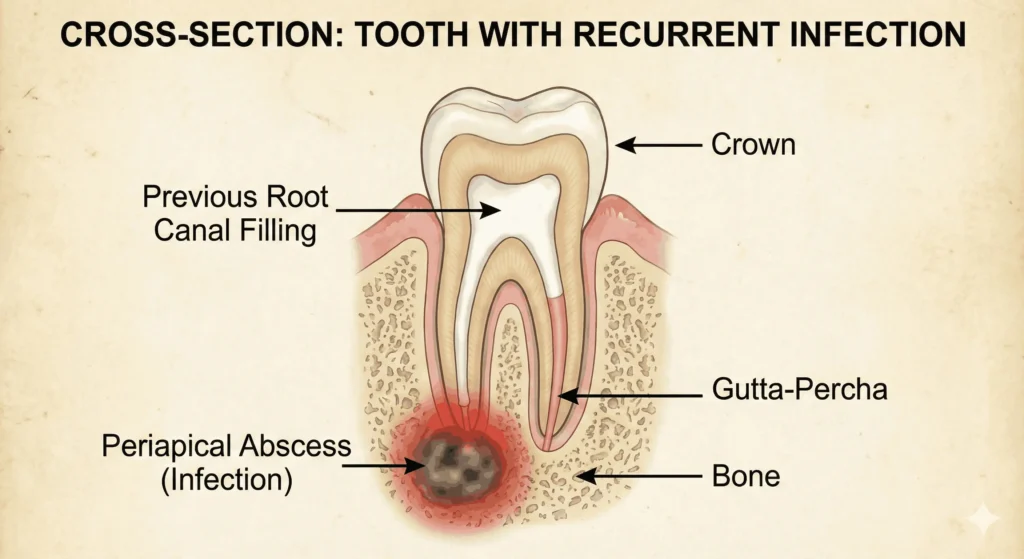
Common causes include:
Complex Root Anatomy
Some teeth—especially molars—have curved or accessory canals that may be difficult to detect during the initial treatment. If bacteria remain in tiny untreated canals, infection can redevelop.
New Tooth Decay
If a filling or crown becomes loose, damaged, or cracked, bacteria can enter the tooth again.
Cracks or Fractures
A treated tooth can develop microcracks over time, allowing infection to reach the root.
Delayed Crown Placement
Back teeth that do not receive a protective crown after root canal treatment are more vulnerable to leakage and fracture.
These factors may lead to root canal failure symptoms, requiring professional evaluation.
Signs You May Need Root Canal Retreatment
Recognizing early warning signs can help save the tooth before the infection spreads.
Persistent Pain After Root Canal
It is not normal to experience recurring or worsening pain long after treatment. Mild tenderness immediately after RCT may occur, but pain returning months or years later is a red flag.
Swelling or Gum Tenderness
Swellen gums near a previously treated tooth may indicate infection at the root tip. The area may feel tender or slightly raised.
Gum Boil or Pimple
A small bump on the gums that releases pus is a classic sign of infection. This condition, called a sinus tract, indicates that bacteria are draining from the root area.
Pain While Chewing
If biting or chewing causes discomfort in a treated tooth, it may suggest internal inflammation or structural compromise.
Tooth Discoloration
A treated tooth that becomes darker over time may require evaluation, especially if accompanied by other symptoms.
Bad Taste or Persistent Bad Breath
Chronic infection can produce an unpleasant taste or odor.
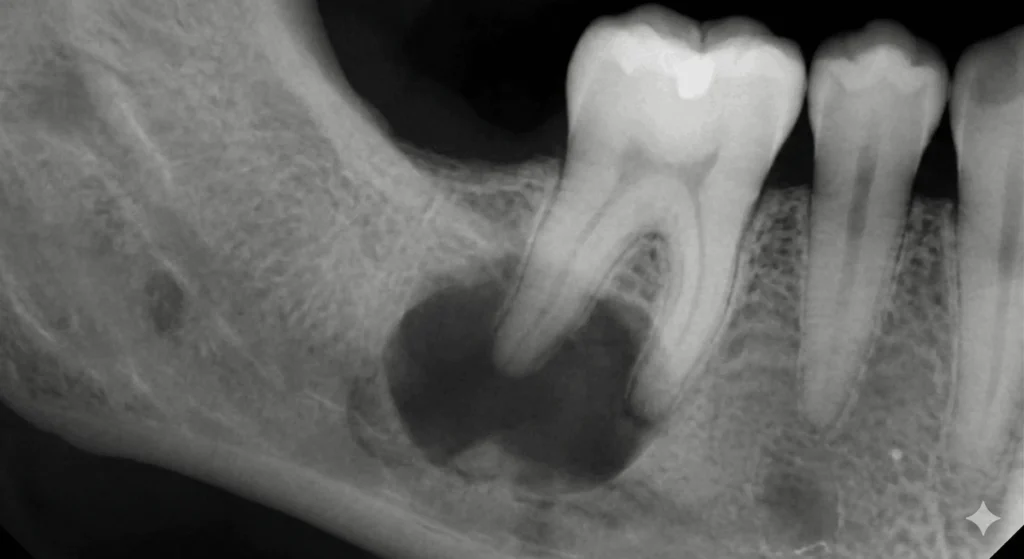
No Symptoms but Abnormal X-Ray
Sometimes, patients feel no pain, but routine dental X-rays reveal bone loss or infection around the root tip. This is why regular dental checkups are important.
Is It Normal to Feel Pain Years After a Root Canal?
No. While temporary sensitivity after treatment is common, pain that reappears years later is not normal. Possible causes include:
- Recurrent infection
- Cracked root
- Missed canal
- Adjacent tooth infection
Only a professional examination can confirm the exact cause.
What Happens During Root Canal Retreatment?
Root canal retreatment involves reopening the tooth and cleaning it again to remove persistent bacteria.
The procedure typically includes:
- Removing the old filling material
- Cleaning and disinfecting all canals thoroughly
- Identifying previously missed canals
- Resealing the canals properly
- Placing a new restoration or crown
In some complex cases, a minor surgical procedure known as apicoectomy may be recommended if infection persists at the root tip.
Is Root Canal Retreatment Painful?
Modern dental techniques and anesthesia make root canal retreatment comfortable. Most patients report that the procedure feels similar to the original treatment.
Mild soreness may occur afterward, especially if infection was present, but it usually resolves within a few days.
What Happens If Retreatment Is Delayed?
Ignoring signs of infection can lead to:
- Spread of infection into surrounding bone
- Facial swelling
- Severe pain
- Formation of dental abscess
- Tooth loss
Early root canal retreatment improves the chances of saving the natural tooth.
Can All Failed Root Canals Be Retreated?
Many previously treated teeth can be successfully retreated. However, success depends on:
- Structural condition of the tooth
- Extent of bone loss
- Presence of fractures
If retreatment is not possible, alternative solutions such as extraction and replacement options may be discussed.
Why City Smiles Dental Care Is the Right Choice for Root Canal Retreatment in Kolkata
At City Smiles Dental Care, we understand that persistent discomfort after a previous root canal can be distressing. Our approach focuses on careful diagnosis to determine whether root canal retreatment is necessary. Each case is thoroughly evaluated using clinical examination and imaging to identify reinfection, structural damage, or restoration failure. Located in South Kolkata, the clinic provides dependable, patient-focused care aimed at preserving natural teeth whenever possible.
Why patients choose City Smiles Dental Care for retreatment:
- Detailed evaluation of previously treated teeth
- Precision in identifying infection or structural issues
- Focus on saving natural teeth
- Clear explanation of retreatment options and costs
- Ethical and patient-first approach
- Long-term dental health planning
- Trusted dental clinic in South Kolkata
Conclusion
Root canal treatment is highly successful, but reinfection can occasionally occur. Persistent pain, swelling, chewing discomfort, or gum changes are warning signs that root canal retreatment may be needed. Early diagnosis and timely retreatment significantly improve the chances of preserving your natural tooth and preventing complications.
If you notice any unusual symptoms around a previously treated tooth, prompt dental evaluation is essential.
FAQs
- How long after a root canal can infection return?
Infection can recur months or even years later if bacteria re-enter the tooth. - Is root canal retreatment successful?
Yes, retreatment has a high success rate when diagnosed early. - Is retreatment more complicated than the first root canal?
It can be slightly more complex because old material must be removed. - Can antibiotics fix a failed root canal?
Antibiotics may reduce symptoms temporarily but do not eliminate the source of infection. - Does every painful root canal need retreatment?
Not always. A thorough evaluation determines the exact cause of pain.