
Why You Should Avoid Delaying Root Canal Treatment (Kolkata Edition)
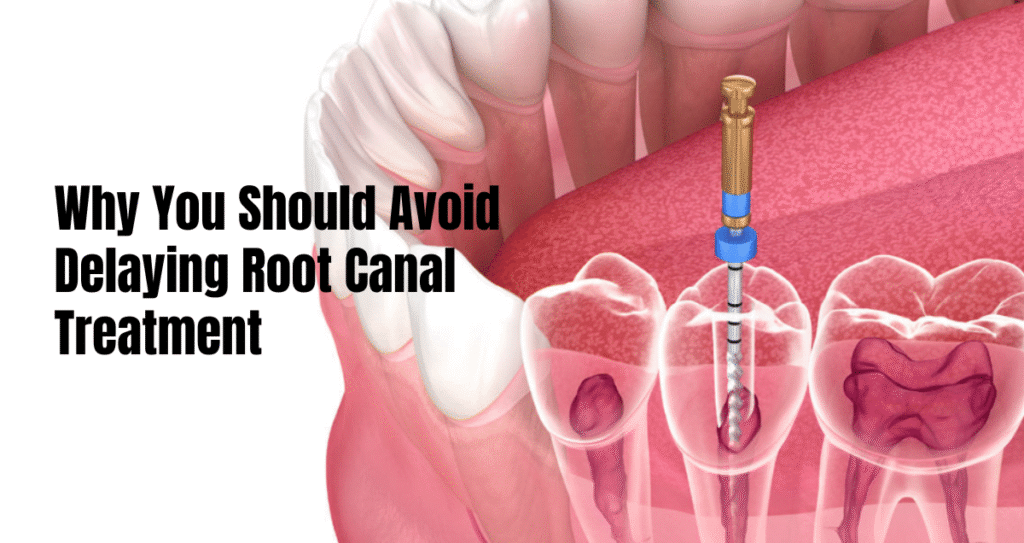
Why You Should Not Delay Root Canal Treatment in Kolkata Many patients in Kolkata delay root canal treatment even after being advised by a dentist. Common reasons include fear of pain, busy schedules, cost concerns, or the belief that the pain will go away on its own. Unfortunately, tooth pain caused by infection rarely resolves without treatment. Root canal treatment (RCT) is designed to remove infection from inside the tooth and save it from extraction. Delaying this procedure allows bacteria to spread deeper, increasing pain, complications, and treatment cost. Understanding why postponing RCT is risky helps patients make timely and informed decisions. What Happens When a Tooth Needs Root Canal Treatment? A tooth needs root canal treatment when the inner pulp becomes infected due to deep decay, repeated dental procedures, cracks, or trauma. The pulp contains nerves and blood vessels, which is why infection causes severe pain. Without treatment, the infection does not stay limited to the tooth. It gradually spreads to surrounding tissues and bone, leading to serious oral and health problems. Why Pain May Temporarily Reduce After Delay One reason patients delay treatment is that pain sometimes reduces after a few days. This does not mean the problem is cured. When pain decreases, it often indicates that the nerve inside the tooth has died. While pain may reduce temporarily, infection continues to grow silently. This stage is more dangerous because the tooth can develop an abscess without strong pain signals. Major Risks of Delaying Root Canal Treatment 1. Infection Spreads Beyond the Tooth When root canal treatment is delayed, bacteria spread from the pulp to the root tip and surrounding bone. This can lead to: Dental abscess Swelling of gums or face Bone loss around the tooth Once infection spreads, treatment becomes more complex and recovery takes longer. 2. Increased Pain and Sudden Dental Emergencies Delaying RCT often leads to unpredictable flare-ups. Pain can return suddenly, often at night, and may be more intense than before. Many patients end up needing emergency dental care in Kolkata because they waited too long, turning a planned procedure into an urgent one. 3. Higher Risk of Tooth Extraction A timely root canal can save a tooth. When treatment is delayed, the tooth structure weakens due to infection and decay. If the tooth cracks or the infection becomes too severe, extraction may be the only option. Losing a natural tooth leads to additional treatments like implants or bridges, which are more expensive and time-consuming. 4. Facial Swelling and Abscess Formation An untreated tooth infection can form a pus-filled abscess. This may cause: Severe facial swelling Fever Difficulty opening the mouth Difficulty swallowing In rare cases, dental infections can spread to other parts of the body, making delayed treatment a serious health risk. 5. Increased Treatment Cost Delaying root canal treatment often increases the total cost of care. What could have been a straightforward RCT may require: Multiple visits Additional medications Surgical intervention Tooth extraction and replacement Early treatment is usually simpler, quicker, and more affordable. 6. Damage to Surrounding Teeth and Gums Infection from one tooth can affect neighboring teeth and gums. Bacteria spread through bone and soft tissue, increasing the risk of gum disease and decay in nearby teeth. This creates a chain reaction of dental problems that could have been avoided. Warning Signs You Should Not Ignore Visit a dentist immediately if you experience: Persistent tooth pain Sensitivity to hot or cold that lingers Swelling near a tooth or gums Bad taste or pus discharge Pain while chewing Darkening of a tooth These signs indicate pulp infection and the need for root canal treatment. Learn more – Single-Sitting Root Canal: Myths, Facts & Benefits in South Kolkata Is Root Canal Treatment Painful Today? Modern root canal treatment is not painful. With advanced anesthesia and techniques, RCT is usually as comfortable as getting a filling. Most patients report relief from pain after treatment, not increased discomfort. Fear of pain should never be a reason to delay RCT. What Happens During Timely Root Canal Treatment? When done on time, RCT: Removes infection completely Relieves pain Saves the natural tooth Prevents spread of infection Restores normal chewing Early intervention leads to better outcomes and faster healing. Why Choose City Smiles Dental Care for Root Canal Treatment in Kolkata City Smiles Dental Care focuses on timely, accurate, and patient-friendly root canal treatment. Each case is thoroughly evaluated to confirm the need for RCT and to plan treatment that prioritizes comfort and long-term tooth preservation. The clinic emphasizes early intervention to prevent complications and unnecessary extractions. Conveniently located in South Kolkata, City Smiles Dental Care is trusted for ethical and effective root canal care. Why patients trust City Smiles Dental Care: Experienced dentists in root canal treatment Accurate diagnosis using modern tools Gentle, pain-managed procedures Clear explanation of treatment steps and cost Focus on saving natural teeth Ethical, patient-first approach Trusted dental clinic in South Kolkata When Should You Book a Root Canal Appointment Immediately? Do not delay if: Tooth pain lasts more than a day Swelling appears Pain returns after reducing temporarily Fever accompanies dental pain A dentist has already advised RCT Early action prevents serious complications. Conclusion Delaying root canal treatment is a common mistake that can lead to pain, infection, tooth loss, and higher treatment costs. While temporary relief may mislead patients, the infection continues to spread silently. For patients in Kolkata, timely root canal treatment is the safest way to relieve pain and preserve natural teeth. City Smiles Dental Care offers reliable, patient-focused root canal treatment designed to stop infection early and protect long-term oral health. Frequently Asked Questions 1. Can I delay root canal treatment if pain reduces? No. Reduced pain often means nerve damage, not healing. 2. How long can a tooth infection wait? Tooth infections should be treated as soon as possible to avoid complications. 3. Is root canal treatment safer than extraction? Yes. Saving the natural tooth is usually better for oral health. 4. Does
10 Things You Must Know Before Starting Aligners Treatment in Kolkata
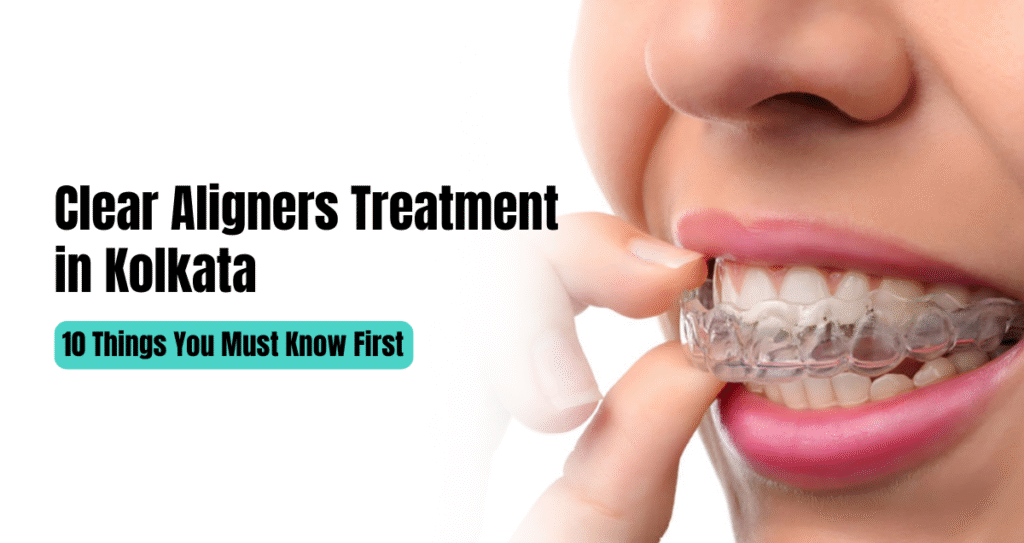
10 Things You Must Know Before Starting Aligners Treatment in Kolkata Clear aligners have become one of the most popular orthodontic treatments in Kolkata, especially among working professionals, college students, and adults who want a discreet way to straighten their teeth. While aligners offer excellent comfort and aesthetics, successful results depend on proper understanding and commitment. Before starting aligners treatment in Kolkata, it is important to know how the treatment works, who it is suitable for, and what responsibilities you must follow as a patient. This guide covers the most important points every patient should understand before beginning aligner therapy. 1. Not Everyone Is an Ideal Candidate for Aligners Although aligners are highly effective, they are not suitable for every dental condition. Clear aligners work best for mild to moderate alignment problems such as spacing, mild crowding, and minor bite issues. Severe crowding, complex bite problems, or jaw-related issues may still require braces or a combination of treatments. A detailed evaluation by an experienced orthodontist in Kolkata is essential before choosing aligners. 2. A Proper Orthodontic Evaluation Is Mandatory Aligners should never be started without a professional orthodontic assessment. During consultation, the orthodontist evaluates tooth alignment, bite, jaw position, gum health, and bone support. X-rays, photographs, and digital scans are used to plan safe tooth movement. Skipping this step or choosing aligners without proper diagnosis can lead to poor results or dental complications. 3. Aligners Use Advanced 3D Treatment Planning One major advantage of clear aligners treatment in Kolkata is digital treatment planning. Before treatment begins, a 3D simulation is created to show how your teeth will move step by step. This allows patients to: See the expected final result Understand treatment duration Know the number of aligner trays required This planning ensures predictable and controlled tooth movement. 4. You Must Wear Aligners 20–22 Hours a Day Aligners only work if they are worn as prescribed. Patients must wear aligners for at least 20–22 hours daily, removing them only while eating, drinking anything except water, and brushing. Inconsistent wear delays treatment and may affect results. Aligners are effective only when patient compliance is high. 5. Aligners Are Removable, but Discipline Is Required One advantage of aligners is removability, but this also means responsibility. Patients must remember to: Remove aligners before meals Brush teeth before reinserting Clean aligners regularly Forgetting to wear aligners or misplacing them can slow progress and increase treatment time. 6. Mild Discomfort Is Normal During Tray Changes When starting a new aligner tray, mild pressure or tightness is normal. This sensation indicates that teeth are moving as planned. The discomfort usually subsides within a day or two. Severe pain is uncommon and should be reported to your orthodontist. 7. Treatment Duration Varies From Person to Person The duration of aligners treatment in Kolkata depends on the complexity of the case and patient compliance. Average treatment duration: Mild cases: 6–9 months Moderate cases: 12–18 months Your orthodontist will give an estimated timeline, but wearing aligners properly plays a major role in achieving timely results. 8. Attachments May Be Required for Better Results Some aligner treatments require small, tooth-colored attachments bonded to certain teeth. These attachments help aligners grip teeth and move them more effectively. Attachments are temporary and usually removed at the end of treatment. They are discreet and do not affect appearance significantly. 9. Cost of Aligners Treatment in Kolkata Varies The cost of aligners depends on case complexity, aligner brand, and treatment duration. Approximate cost range in Kolkata: Basic aligners: ₹70,000 – ₹1,20,000 Premium aligners: ₹1,20,000 – ₹1,80,000 Invisalign treatment: ₹1,80,000 – ₹3,50,000 Choosing treatment based on expertise and planning is more important than choosing based on price alone. 10. Retainers Are Mandatory After Aligners Treatment After aligner treatment is complete, retainers are essential to maintain results. Teeth naturally tend to shift back to their old position if retainers are not worn. Your orthodontist will guide you on retainer type and duration. Skipping retainers can undo months of treatment. Why Choose City Smiles Dental Care for Aligners Treatment in Kolkata City Smiles Dental Care offers carefully planned aligners treatment focused on accuracy, safety, and long-term results. Each patient receives a detailed evaluation and customized treatment plan to ensure predictable tooth movement and comfort throughout the process. Why patients trust City Smiles Dental Care: Experienced orthodontist in South Kolkata Advanced digital scanning and planning Clear explanation of treatment expectations Focus on comfort and patient compliance Ethical, transparent treatment planning Emphasis on long-term stability with retainers Get the direction – https://share.google/M3Wrn6CCClS5JKrVL Conclusion Clear aligners are an excellent option for straightening teeth when chosen correctly and used responsibly. Understanding these 10 important facts before starting aligners treatment in Kolkata helps patients make informed decisions and achieve successful results. Consulting an experienced orthodontist and following instructions carefully ensures a smooth, effective, and satisfying aligner treatment journey. Frequently Asked Questions 1. Are clear aligners better than braces? Aligners are more aesthetic and comfortable for mild to moderate cases, while braces may be better for complex issues. 2. Can I eat anything during aligner treatment? Yes, as aligners are removed during meals, but brushing before reinserting is essential. 3. Do aligners affect speech? Mild speech changes may occur initially but usually resolve within a few days. 4. How often are follow-up visits needed? Typically every 6–8 weeks, depending on treatment progress. 5. Are aligners suitable for teenagers? Yes, aligners can be used for teenagers with proper supervision and compliance. About the Author Dr. Sreejeeta Dey BDS (MCODS Mangalore), MDS (JSS Mysore) Consultant Pediatric & Preventive Dentist Co-Founder, City Smiles Dental Care — Baghajatin, Kolkata Dr. Sreejeeta Dey is a child-focused dental specialist known for her gentle approach and strong emphasis on preventive care. With advanced training in pediatric dentistry from JSS Mysore, she is experienced in managing anxious children, performing painless treatments, and promoting early oral health habits. As the Co-Founder of City Smiles Dental Care, she is dedicated to creating a safe, friendly, and positive dental experience for every
Diet & Dental Health for Kids | Foods Kolkata Parents Should Avoid

Diet & Dental Health: What Kolkata Parents Should Avoid Giving Their Kids Diet plays a major role in a child’s dental health. What children eat daily directly affects the strength of their teeth, the risk of cavities, and overall oral hygiene. In Kolkata, children are frequently exposed to sweets, chocolates, packaged snacks, sugary drinks, and refined carbohydrates, which significantly increase the risk of tooth decay. Many parents focus on brushing and dental visits but underestimate how strongly diet influences oral health. Understanding the connection between diet and dental health for kids helps parents make smarter food choices that protect their child’s teeth and reduce dental problems in the long run. This guide explains which foods Kolkata parents should avoid giving their kids and why limiting these foods is essential for healthy teeth. How Diet Affects Children’s Dental Health When children eat foods high in sugar or refined carbohydrates, bacteria in the mouth feed on these sugars and produce acids. These acids attack the tooth enamel, gradually weakening it and leading to cavities. The more frequently a child consumes sugary or sticky foods, the longer the teeth are exposed to acid attacks. Children’s teeth are more vulnerable because baby teeth have thinner enamel compared to adult teeth. This is why diet-related dental problems appear quickly in children. A balanced diet combined with good oral hygiene is essential for maintaining strong and healthy teeth. Foods Kolkata Parents Should Avoid for Better Dental Health 1. Sugary Sweets and Chocolates Sugary sweets and chocolates are one of the biggest contributors to cavities in children. Chocolates, candies, laddoos, rasgullas, and other sweets stick to the teeth and provide food for cavity-causing bacteria. Frequent consumption of sweets, especially between meals, increases the risk of tooth decay. Parents should limit sweets to occasional treats and encourage children to rinse their mouth or brush after eating them. 2. Sticky Snacks Like Toffees and Chewing Candies Sticky foods are particularly harmful because they cling to the teeth for a long time. Toffees, caramel candies, fruit chews, chikki, and gummy snacks are difficult to remove with saliva alone. These foods stay stuck in grooves and between teeth, creating the perfect environment for bacteria to grow. Over time, this leads to cavities and tooth pain. Pediatric dentists often see severe decay linked to frequent consumption of sticky snacks. 3. Sugary Drinks and Packaged Juices Sugary drinks are one of the most overlooked causes of dental problems in children. Soft drinks, packaged fruit juices, flavored milk, and sports drinks contain high sugar levels and acids. Even drinks labeled as “healthy” may contain added sugars. Regular consumption exposes teeth to acid repeatedly throughout the day. Parents should encourage water instead of sugary drinks and limit juice intake to occasional use. 4. Biscuits, Cakes, and Bakery Items Biscuits, cakes, pastries, and muffins may not taste very sweet, but they contain refined carbohydrates that break down into sugars in the mouth. These foods also tend to get stuck between teeth. Children often eat biscuits as snacks or school tiffin items, increasing the frequency of sugar exposure. Replacing these with healthier alternatives helps reduce the risk of cavities. 5. Chips and Packaged Savory Snacks Chips, namkeen, and other packaged savory snacks are not sweet, but they are harmful to teeth. These foods break down into starches that convert into sugars and stick to teeth. Many children snack on chips multiple times a day, increasing plaque buildup. This leads to cavities and gum problems if oral hygiene is not maintained properly. 6. Frequent Snacking Throughout the Day It is not just what children eat, but how often they eat that matters. Frequent snacking gives bacteria more opportunities to produce acid. Even small amounts of sugary or starchy food consumed repeatedly can cause damage. Allowing time between meals helps saliva neutralize acids and protect teeth. Structured meal and snack times are better for dental health than constant grazing. 7. Bedtime Milk or Juice Without Brushing Giving milk or juice at bedtime without brushing afterward is a major cause of early childhood cavities. Sugars remain on the teeth overnight, when saliva flow is low. Parents should always clean the child’s teeth before bedtime and avoid feeding sugary liquids after brushing. This simple habit prevents severe dental problems in young children. What Should Parents Encourage Instead? While avoiding harmful foods is important, parents should also focus on healthy alternatives that support dental health. Encourage: Fresh fruits and vegetables Dairy products like milk, curd, and cheese Whole grains Nuts and seeds (age-appropriate) Plenty of water These foods help strengthen teeth, stimulate saliva production, and support overall health. Role of Parents in Building Healthy Eating Habits Parents play a key role in shaping a child’s diet. Children often follow eating patterns set at home. By limiting sugary snacks, offering healthier options, and explaining why certain foods are limited, parents can encourage better habits. Teaching children to rinse their mouth after eating and brushing twice daily further protects teeth from diet-related damage. When Should Parents Visit a Pediatric Dentist in Kolkata? Parents should consult a pediatric dentist if: Child develops frequent cavities Tooth pain occurs Visible white or brown spots appear on teeth Gums bleed or swell Bad breath persists A pediatric dentist in Kolkata can guide parents on diet modifications and preventive treatments such as fluoride application. Learn more – When Should Your Child First Visit A Dentist? Complete Kolkata Parents’ Guide Why Choose City Smiles Dental Care for Child Dental Guidance in Kolkata City Smiles Dental Care focuses on preventive pediatric dentistry and parent education. The clinic helps families understand how diet affects dental health and provides practical guidance tailored to children’s needs. With a child-friendly approach and emphasis on prevention, City Smiles Dental Care supports long-term oral health for kids. Why parents choose City Smiles Dental Care: Experienced pediatric dentist Strong focus on prevention and education Child-friendly and comfortable environment Personalized dietary and dental guidance Emphasis on long-term oral health Convenient South Kolkata location Conclusion Diet plays a critical
Best Dental Clinic for Kids in South Kolkata | City Smiles Dental Care
Best Dental Clinic for Kids in South Kolkata: Why the Right Choice Matters Choosing a dental clinic for your child is very different from choosing one for adults. Children need a space where they feel safe, understood, and comfortable. For parents in South Kolkata, finding the best dental clinic for kids means choosing a clinic that not only treats dental problems but also builds trust and confidence in children from an early age. A child’s early dental experiences shape their attitude toward oral health for life. A negative experience can lead to fear and avoidance, while a positive one encourages healthy habits and regular checkups. This is why parents increasingly look for a child-friendly dental clinic in South Kolkata that focuses on comfort, prevention, and gentle care. What Makes a Dental Clinic Truly Child-Friendly? Not every dental clinic that treats children is genuinely child-friendly. A clinic designed for kids goes beyond basic treatment and focuses on emotional comfort, communication, and long-term development. 1. Pediatric-Focused Dental Expertise The most important factor is the presence of a trained pediatric dentist in South Kolkata. Pediatric dentists are specially trained to understand children’s oral development, behavior, and unique dental needs. They know how to: Communicate with children at different ages Manage fear and anxiety Detect early dental and jaw development issues Provide preventive care rather than reactive treatment A clinic with pediatric expertise ensures safer, more effective care for children. 2. Child-Friendly Clinic Environment A child-friendly dental clinic feels welcoming, not intimidating. The environment plays a huge role in reducing fear. Key features include: Bright, cheerful interiors Friendly staff trained to work with children Calm and reassuring atmosphere Clean, hygienic, and safe setup When children feel relaxed in the clinic, treatment becomes easier and more effective. 3. Gentle and Pain-Managed Treatment Approach Children are naturally sensitive to discomfort. The best dental clinic for kids in South Kolkata uses gentle techniques, child-safe anesthesia, and age-appropriate tools. Pain-managed dentistry ensures: Minimal discomfort during procedures Reduced fear of future visits Better cooperation from children Gentle care builds trust and helps children feel confident about dental visits. 4. Strong Focus on Preventive Dental Care Child-friendly clinics focus more on prevention than correction. Preventive care helps avoid cavities, infections, and orthodontic issues. Preventive services include: Regular dental checkups Fluoride treatments Sealants Diet and brushing guidance for parents Early prevention reduces the need for invasive procedures later. 5. Clear Communication With Parents A good kids’ dental clinic educates parents as much as it treats children. Parents should clearly understand: What the problem is Why a treatment is needed What alternatives are available How to care for teeth at home Transparent communication builds trust and helps parents make informed decisions. 6. Ability to Handle Dental Anxiety in Children Dental fear is common in children. A child-friendly clinic uses behavior management techniques such as: Tell-show-do method Positive reinforcement Calm, reassuring communication These techniques help children feel safe and reduce anxiety over time. Why City Smiles Dental Care Is the Best Dental Clinic for Kids in South Kolkata City Smiles Dental Care has earned the trust of parents by consistently delivering gentle, ethical, and child-focused dental care. The clinic is designed to make children feel comfortable while ensuring parents feel confident about every treatment decision. With a strong emphasis on prevention, clear communication, and long-term oral health, City Smiles Dental Care goes beyond routine dentistry to create positive dental experiences for children. What makes City Smiles Dental Care the preferred choice for parents: Experienced pediatric dentist dedicated to child dental care Truly child-friendly and calm clinic environment Gentle, pain-managed treatment techniques Strong focus on preventive dentistry Clear and honest communication with parents Personalized care based on child’s age and development Emphasis on long-term dental health, not quick fixes Trusted kids’ dental clinic in South Kolkata Services Offered for Children at City Smiles Dental Care City Smiles Dental Care provides comprehensive dental care for children, including: Routine dental checkups Tooth fillings for kids Fluoride treatments Dental sealants Child tooth extraction when necessary Habit counseling (thumb sucking, mouth breathing) Early orthodontic evaluation All treatments are performed with a child-first approach. When Should Parents Visit a Kids’ Dental Clinic? Parents should bring their child to a dental clinic: By age one or when the first tooth appear Every six months for routine checkups If tooth pain, swelling, or cavities are noticed After dental injuries or falls If habits like thumb sucking persist Early visits help prevent problems and build positive dental habits. How a Child-Friendly Clinic Shapes Lifelong Dental Habits Children who visit a child-friendly dental clinic regularly: Develop less fear of dentists Maintain better oral hygiene Experience fewer dental emergencies Grow up with healthier teeth and gums This makes early dental care one of the best investments parents can make for their child’s health. Conclusion Finding the best dental clinic for kids in South Kolkata is about choosing a place that understands children, respects parents’ concerns, and focuses on long-term oral health. A truly child-friendly clinic combines expertise, empathy, prevention, and communication. City Smiles Dental Care stands out as a trusted choice for parents looking for safe, gentle, and comprehensive dental care for their children. With the right environment and expert care, dental visits become a positive experience that supports healthy smiles for life. Frequently Asked Questions (FAQs) 1. What age should a child start visiting a dental clinic? By age one or when the first tooth erupts. 2. How often should children visit a dentist? Every six months for routine checkups. 3. Is a pediatric dentist necessary for children? Yes. Pediatric dentists are trained specifically to treat children safely and comfortably. 4. Are dental treatments painful for kids? Modern pediatric dentistry focuses on gentle, pain-managed care. 5. Why is City Smiles Dental Care recommended for kids in South Kolkata? Because of its child-friendly approach, experienced pediatric dentist, preventive focus, and trusted care among parents. About the Author Dr. Sreejeeta Dey BDS (MCODS Mangalore), MDS (JSS Mysore) Consultant Pediatric & Preventive Dentist Co-Founder,
Common Myths About Pediatric Dentistry: Kolkata Edition
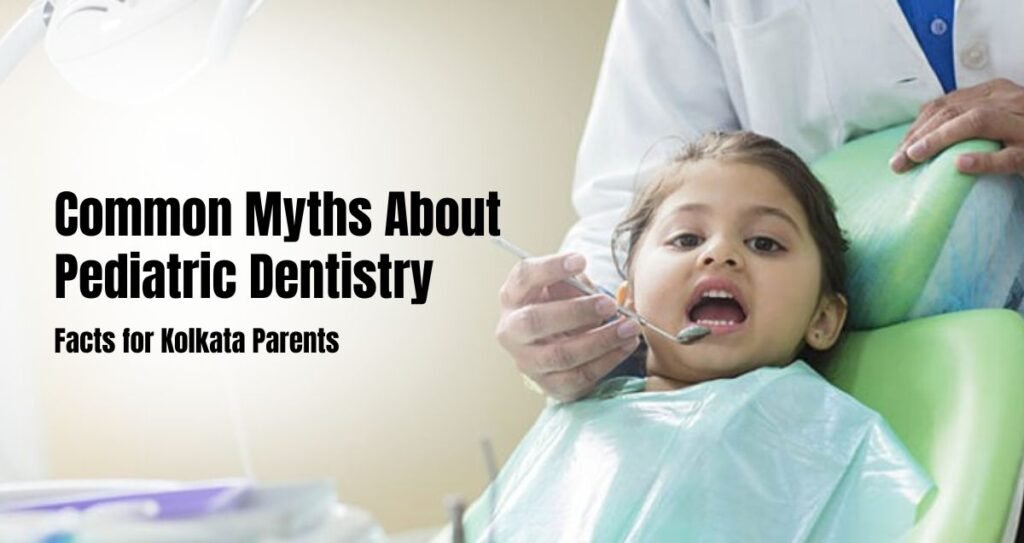
Common Myths About Pediatric Dentistry: Kolkata Edition Pediatric dentistry is often misunderstood, especially among first-time parents. In Kolkata, many parents rely on advice from family, friends, or outdated beliefs when it comes to their child’s dental care. Unfortunately, these myths can delay treatment, worsen dental problems, and lead to avoidable pain or long-term issues. Understanding the common myths about pediatric dentistry and replacing them with accurate information helps parents make confident and informed decisions. This blog addresses the most widespread misconceptions and explains the facts every parent in Kolkata should know. Myth 1: Baby Teeth Don’t Matter Because They Will Fall Out This is one of the most common and harmful myths about pediatric dentistry. The Truth Baby teeth play a crucial role in a child’s overall development. They help children chew food properly, speak clearly, and maintain space for permanent teeth. If baby teeth are lost too early due to decay or infection, nearby teeth may shift, leading to crowding and alignment problems later. Untreated cavities in baby teeth can also cause pain, infection, and damage to developing permanent teeth underneath. Pediatric dentists focus on protecting baby teeth because healthy baby teeth lead to healthier permanent teeth. Myth 2: Children Should Visit a Dentist Only When There Is Pain Many parents in Kolkata take their child to a dentist only after the child complains of tooth pain. The Truth Dental pain usually means the problem has already progressed. Early dental issues like initial cavities or enamel weakness often show no symptoms. Regular dental checkups help identify problems before they become painful or require extensive treatment. Pediatric dentists recommend the first dental visit by age one and routine checkups every six months. Preventive visits reduce dental anxiety and help children see the dentist as part of normal healthcare. Myth 3: Pediatric Dental Treatments Are Painful Fear of pain is a major reason parents delay dental visits for children. The Truth Modern pediatric dentistry focuses on gentle, pain-managed care. Pediatric dentists are trained to handle children with patience and use techniques designed specifically for young patients. Advanced tools, safe anesthesia, and behavior management techniques make treatments comfortable. Most children tolerate dental procedures well when treated by a skilled pediatric dentist. Early, gentle experiences also reduce dental fear in the long term. Myth 4: Cavities in Baby Teeth Do Not Need Treatment Some parents believe cavities in baby teeth can be ignored since the teeth will eventually fall out. The Truth Cavities in baby teeth spread faster than in adult teeth because the enamel is thinner. Untreated decay can reach the nerve, causing severe pain, infection, and swelling. Infections from baby teeth can also affect the permanent teeth developing below. Treating cavities early prevents pain and avoids more complex procedures such as tooth extraction or emergency care. Myth 5: Brushing Alone Is Enough for Child Dental Care While brushing is important, many parents assume it is the only step needed to keep children’s teeth healthy. The Truth Brushing twice a day with fluoride toothpaste is essential, but it is not enough on its own. Children also need regular dental checkups, professional cleanings, fluoride treatments, and guidance on diet and habits. A pediatric dentist helps parents understand brushing techniques, sugar control, and preventive measures that go beyond daily home care. Myth 6: Thumb Sucking and Mouth Breathing Are Harmless Habits These habits are often considered normal and temporary. The Truth Thumb sucking and mouth breathing beyond a certain age can affect jaw growth, tooth alignment, and facial development. Prolonged habits may lead to open bite, protruding teeth, and speech issues. Pediatric dentists monitor these habits early and recommend corrective measures when needed, preventing future orthodontic problems. Myth 7: Pediatric Dentists Are Only for Very Young Children Some parents think pediatric dentists are only needed for toddlers and preschoolers. The Truth Pediatric dentists treat infants, children, and teenagers. They also monitor dental development, early orthodontic concerns, and teenage oral health issues such as crowding, bite problems, and sports-related injuries. A pediatric dentist in Kolkata supports children through every stage of dental growth. Myth 8: Dental X-rays Are Unsafe for Children Parents often worry about radiation exposure from dental X-rays. The Truth Modern dental X-rays use very low radiation levels and are considered safe for children. Pediatric dentists only recommend X-rays when necessary for diagnosis and treatment planning. Protective measures further reduce exposure. X-rays help detect hidden cavities, infections, and alignment issues that are not visible during a routine examination. Why Correcting These Myths Is Important for Parents Believing in dental myths can delay treatment and increase the risk of pain, infection, and costly procedures. Accurate knowledge helps parents take preventive steps, seek timely care, and ensure their child’s dental health develops properly. When parents understand pediatric dentistry correctly, children grow up with healthier teeth, fewer dental fears, and better long-term outcomes. Why Choose City Smiles Dental Care for Pediatric Dentistry in Kolkata City Smiles Dental Care focuses on preventive, child-friendly, and ethical pediatric dentistry. The clinic emphasizes early diagnosis, gentle treatment, and clear communication with parents, ensuring children receive care that supports long-term oral health rather than temporary fixes. Why parents choose City Smiles Dental Care: Experienced pediatric dentist Gentle and child-focused treatment approach Emphasis on prevention and early care Clear guidance for parents Child-friendly clinic environment Focus on long-term dental development Convenient South Kolkata location Conclusion Understanding the common myths about pediatric dentistry helps parents make informed decisions and avoid unnecessary dental problems. Baby teeth matter, early visits are essential, and modern pediatric dentistry is safe, gentle, and effective. For parents in Kolkata, choosing accurate information and timely dental care ensures children grow up with healthy, confident smiles. Frequently Asked Questions 1. At what age should a child first visit a pediatric dentist? By age one or when the first tooth erupts. 2. Are baby teeth really that important? Yes. They help with chewing, speech, and proper alignment of permanent teeth. 3. Are pediatric dental treatments painful? No. Modern techniques focus on
Dental Fluoride Treatment for Kids: Benefits & Cost in Kolkata
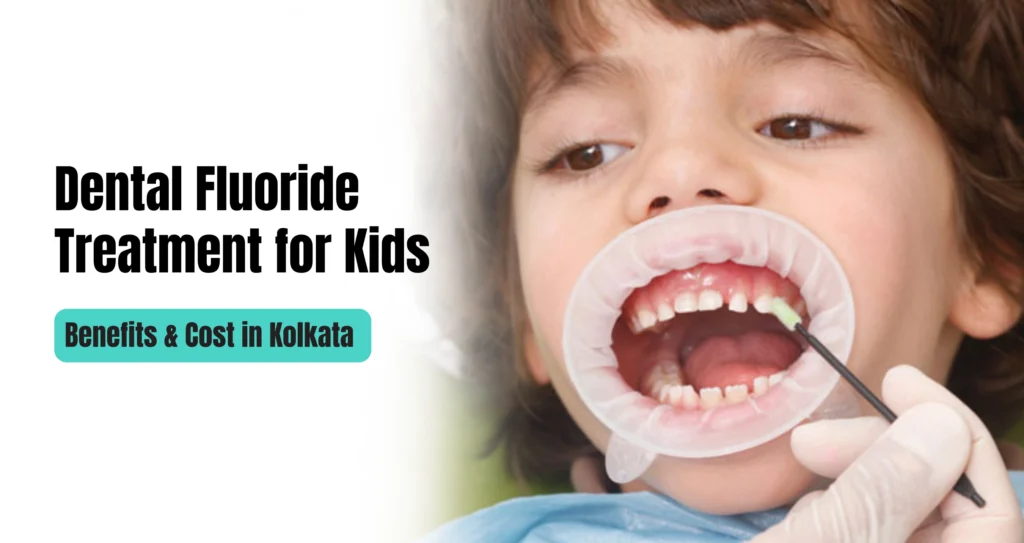
Dental Fluoride Treatment for Kids in Kolkata | Benefits & Cost Guide Dental fluoride treatment is one of the most effective and widely recommended preventive dental care procedures for children. In a city like Kolkata, where children are commonly exposed to sugary foods, juices, chocolates, and packed snacks, teeth are at high risk of developing cavities and enamel weakening at a young age. Fluoride plays a key role in strengthening young teeth and reducing the risk of decay. When parents in South Kolkata search for dental fluoride treatment for kids, they often want to know why it is recommended, how it helps, whether it is safe, and how much it costs. This comprehensive guide explains all of that in simple, parent-friendly language. What Is Dental Fluoride Treatment for Kids? Dental fluoride treatment is a preventive procedure in which a pediatric dentist applies a fluoride-rich gel, foam, or varnish to the child’s teeth. Fluoride is a mineral that naturally strengthens tooth enamel and helps protect against decay caused by acids from bacteria, food, and drinks. Fluoride can be found in toothpaste, mouthwash, and drinking water. However, professional fluoride applications at a dental clinic provide a higher concentration than home use, which offers stronger protection, especially for young children still developing their teeth. How Fluoride Works to Protect Children’s Teeth Fluoride works in three primary ways: Strengthening Enamel: Fluoride penetrates the outer surface of the tooth (enamel), making it more resistant to acid attacks that cause cavities. Stronger enamel directly translates to fewer dental problems in growing children. Reversing Early Decay: In the earliest stages of tooth decay, fluoride can help remineralize weak spots on the enamel before they turn into actual cavities. This is especially useful for kids who are developing early signs of decay. Reducing Acid Production: Fluoride discourages harmful bacteria from producing acids that erode enamel. This reduces the overall risk of decay and supports a healthier oral environment. These effects make fluoride treatment for kids an essential part of preventive dental care. Benefits of Dental Fluoride Treatment for Kids Understanding the benefits helps parents see why pediatric dentists recommend fluoride, especially for children. 1. Stronger Tooth Enamel and Long-Term Protection One of the biggest benefits of fluoride is that it strengthens the enamel — the protective outer layer of teeth. Strong enamel is better at resisting daily wear, sugars, and acids that lead to cavities. For children in Kolkata, whose diets often include high sugar intake, this protection is especially valuable. 2. Reduced Risk of Cavities Numerous studies show that fluoride can significantly reduce the chances of tooth decay. For children who have a history of cavities or are at a higher risk, fluoride treatment helps cut the risk and lowers the need for future fillings or restorative procedures. 3. Early Decay Reversal Fluoride can aid in remineralizing enamel in its early decay stages. This means small areas of weakened enamel may recover without needing invasive treatment. Early intervention supports long-term dental health and reduces pain and discomfort. 4. Quick, Painless Treatment Dental fluoride treatment is fast, typically taking only a few minutes. It is a painless procedure, which makes it especially suitable for kids. This low-stress treatment builds positive dental experiences for children and reduces dental anxiety. 5. Added Protection Between Visits Professional fluoride application enhances protection between regular check-ups. When combined with daily brushing and healthy diet practices, fluoride provides an additional layer of defense against cavities. Who Should Get Dental Fluoride Treatment? While fluoride benefits most children, it is especially recommended for: Children with a history of cavities Kids consuming sugary foods and drinks frequently Children who brush irregularly Kids with enamel weakness Children with dry mouth conditions Kids living in areas with low fluoride in drinking water A pediatric dentist in Kolkata can evaluate your child’s risk level and recommend the frequency of fluoride treatments. Read More – When Should Your Child Visit a Pediatric Dentist in South Kolkata? How Dental Fluoride Treatment Is Done in a Clinic Fluoride treatment is simple and comfortable. At your child’s dental appointment: Step 1: Examination The dentist examines your child’s teeth and checks for signs of decay. This ensures fluoride application is appropriate. Step 2: Cleaning (If Needed) Light cleaning may be done before fluoride application to remove plaque and food debris. Step 3: Application of Fluoride Fluoride is applied using a gel, foam, or varnish. For most children, fluoride varnish is common because it adheres to the teeth longer and delivers stronger benefits. Step 4: Post-Application Instructions Parents are advised when to resume brushing, eating, and drinking. Fluoride varnish often stays on teeth for several hours, providing long-lasting protection. The entire process takes only a few minutes and is safe, comfortable, and non-invasive. How Often Should Kids Get Fluoride Treatment? The frequency depends on your child’s risk of cavities. Pediatric dentists typically recommend: Every 3 to 6 months for children at higher risk Every 6 to 12 months for average-risk children Your child’s dentist in South Kolkata will customize the schedule based on oral health needs. Is Fluoride Treatment Safe for Kids? Yes. Dental fluoride treatment is considered safe for children when applied by a trained pediatric dentist. The amount used is appropriate for kids and minimizes the risk of side effects. Mild temporary effects such as a chalky taste or slight gum sensitivity may occur but usually resolve quickly. Serious side effects are rare when professional guidelines are followed. Cost of Fluoride Treatment for Kids in Kolkata Costs may vary depending on the clinic and whether other services are provided during the visit. Typical cost range for fluoride treatment for kids in Kolkata: Fluoride gel or varnish application: ₹500 – ₹1,500 per session This cost is an investment in preventive dental health and significantly lower than treating cavities or other dental problems that fluoride prevents. Some clinics bundle fluoride treatment with routine check-ups, which can offer better value. How Parents Can Support Fluoride Treatment at Home Fluoride treatment is most effective when combined with good
Does Your Child Need Tooth Extraction? Signs Parents in Kolkata Should Know
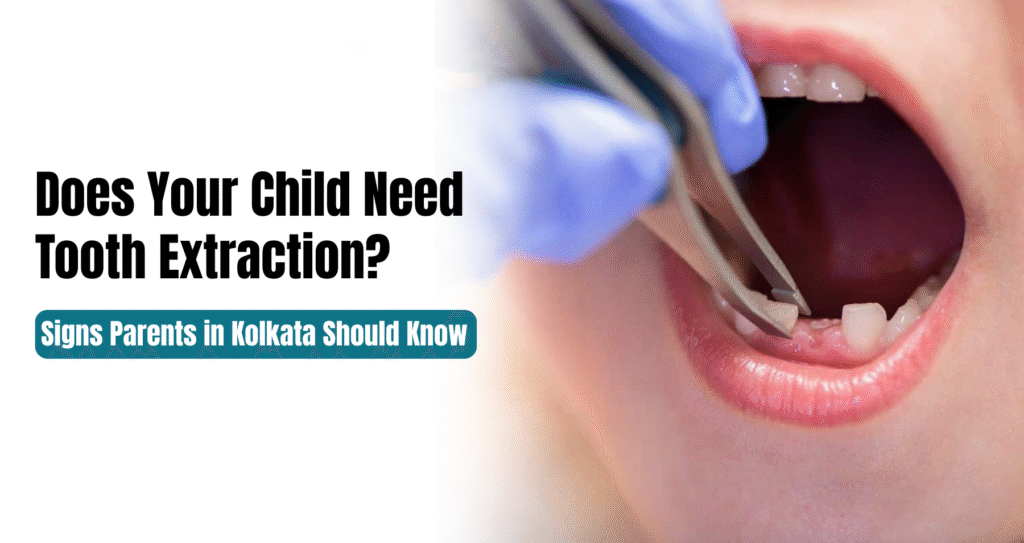
Child Tooth Extraction in Kolkata | Signs Parents Should Not Ignore Tooth extraction in children is often a worrying topic for parents. Many parents in feel anxious when a dentist mentions removing a tooth, especially if it is a baby tooth. Questions like “Is extraction really necessary?” or “Will it affect permanent teeth?” are very common. In reality, child tooth extraction is recommended only when keeping the tooth may harm your child’s oral health. Pediatric dentists always aim to save teeth whenever possible. Extraction is advised only when the tooth is severely damaged, infected, or causing long-term problems. Understanding the signs that indicate your child may need tooth extraction helps parents take informed decisions and avoid unnecessary fear or delay. What Is Tooth Extraction in Children? Tooth extraction is the process of removing a tooth from its socket in the jawbone. In children, extraction may involve either: Baby (primary) teeth, or Permanent teeth (in rare and specific cases) Most child tooth extractions involve baby teeth that are damaged or infected. Removing the problematic tooth helps prevent pain, infection, and damage to developing permanent teeth underneath. A pediatric dentist in Kolkata performs extractions using child-safe, gentle techniques to ensure comfort and minimal stress. Why Pediatric Dentists Try to Avoid Tooth Extraction Pediatric dentists prefer to preserve baby teeth whenever possible because baby teeth play an important role in: Chewing and nutrition Speech development Maintaining space for permanent teeth Guiding proper jaw growth Extraction is recommended only when other treatments such as fillings, pulp therapy, or crowns are no longer effective. When extraction is unavoidable, dentists also plan for space maintenance to prevent future alignment problems. Signs That Your Child May Need Tooth Extraction Parents should watch for certain warning signs that indicate a tooth may no longer be healthy enough to save. 1. Severe Tooth Decay That Cannot Be Treated One of the most common reasons for child tooth extraction in Kolkata is severe tooth decay. When cavities spread deep into the tooth and damage the nerve and surrounding structure, saving the tooth may not be possible. Signs of severe decay include: Constant tooth pain Large visible holes in the tooth Tooth breaking or crumbling Pain while chewing If infection has spread beyond repair, extraction prevents further damage and relieves pain. 2. Dental Infection or Abscess A dental abscess is a serious condition caused by untreated tooth decay or injury. Infection can spread to surrounding gums, jawbone, or even other parts of the body. Warning signs of infection: Swelling of gums or face Pus discharge near the tooth Fever Bad taste or foul smell Severe, throbbing pain In such cases, removing the infected tooth is often necessary to stop the spread of infection. Immediate consultation with a child dentist in South Kolkata is crucial. 3. Tooth Is Broken Beyond Repair Children often injure their teeth during falls, sports, or accidents. If a tooth is badly fractured and cannot be restored with a filling or crown, extraction may be required. Deep fractures that extend below the gumline or expose the nerve may lead to persistent pain and infection if left untreated. 4. Overcrowding and Orthodontic Reasons Sometimes tooth extraction is recommended as part of orthodontic treatment. Severe crowding can prevent proper alignment of permanent teeth. In such cases, extracting one or more teeth creates space for remaining teeth to align correctly. This decision is made carefully by an orthodontist or pediatric dentist after detailed evaluation. Extraction for orthodontic reasons helps reduce future complications and improves bite and smile aesthetics. 5. Early Loss of Baby Tooth Due to Infection Risk In some cases, baby teeth become loose prematurely due to infection or trauma. If the tooth poses a risk to surrounding teeth or gums, extraction may be recommended. After extraction, a space maintainer may be used to preserve space for the permanent tooth and prevent shifting of nearby teeth. 6. Delayed Shedding of Baby Teeth Sometimes baby teeth do not fall out on time, blocking the eruption of permanent teeth. This may cause permanent teeth to erupt in the wrong position. If a baby tooth remains firmly in place while the permanent tooth is erupting behind or beside it, extraction may be required to allow proper alignment. 7. Pain That Does Not Improve With Treatment If a child continues to experience pain despite repeated treatments, extraction may be considered as a last resort to ensure comfort and prevent repeated infections. Persistent pain affects eating, sleeping, and overall well-being. Removing the problematic tooth can significantly improve quality of life. When Should Parents Visit a Dentist in Kolkata for Tooth Extraction Evaluation? Parents should consult a dentist immediately if: Tooth pain lasts more than a day Swelling appears on gums or face Fever accompanies tooth pain Child avoids chewing Tooth looks severely damaged Pus or discharge is present Early evaluation by a pediatric dentist in Kolkata helps determine whether extraction is necessary or if the tooth can still be saved. How Is Child Tooth Extraction Performed? Child tooth extraction is done using safe and gentle methods: Local anesthesia is used to numb the area The procedure is quick and minimally invasive Pediatric dentists ensure the child is calm and comfortable Post-extraction care instructions are provided clearly In some cases, sedation may be recommended for anxious children, depending on the situation. What Happens After Tooth Extraction? After extraction, parents are advised to: Ensure the child bites on gauze as instructed Avoid hard or hot foods for a few hours Maintain gentle oral hygiene Follow medication instructions if prescribed If a baby tooth is extracted early, the dentist may recommend a space maintainer to protect alignment. Is Tooth Extraction Painful for Children? With modern anesthesia and pediatric dental techniques, tooth extraction is generally painless. Children may feel mild discomfort after the procedure, which usually resolves within a day or two. Proper aftercare ensures smooth healing. Why Choose City Smiles Dental Care for Child Tooth Extraction in Kolkata At City Smiles Dental Care, child tooth extraction is
Best Pediatric Dentist In Kolkata: How To Choose The Right One For Your Child
Best Pediatric Dentist In Kolkata: How To Choose The Right One For Your Child Children need gentle, attentive, and specialized dental care. That’s why finding the best pediatric dentist in Kolkata matters more than most parents realize. Unlike adults, kids require a dentist who understands child psychology, behavior, early oral development, and how to treat young patients without fear. If you are searching for the best pediatric dentist in South Kolkata, this detailed guide will help you understand: What a pediatric dentist actually does Why children need specialized dentists How to judge whether a clinic is right for your child What treatments are available When to take your child for their first dental check-up By the end of this guide, you will feel confident in choosing the right child dental specialist in Kolkata. What Is a Pediatric Dentist? (And Why Kids Need One) A pediatric dentist is a dental specialist trained to treat infants, toddlers, school-age children, and teenagers. They complete additional training focused on: Child psychology Behavior management Growth and development of children’s teeth Diagnosing early childhood dental issues This is why the best pediatric dentist in Kolkata is not just a dentist—they’re a child specialist who knows how to treat kids with patience and care. Why Choose the Best Pediatric Dentist in South Kolkata for Your Child? A pediatric dentist is not simply a dentist who treats children—they are specially trained to: Make anxious children feel comfortable Use painless and child-friendly treatment methods Educate parents on habits and daily care Detect issues that general dentists often miss Protect future growth of permanent teeth If your child fears the dentist, is shy, or has special needs, choosing a child dental specialist in Kolkata becomes even more important. Signs Your Child Needs a Pediatric Dentist (Parents’ Checklist) Kids show several oral symptoms that indicate the need for professional evaluation: Frequent tooth pain Sensitivity while eating sweets or cold food Cavities visible as brown or black spots Bad breath Teeth not erupting on time Crooked teeth / jaw development issues Difficulty chewing Thumb sucking even after age 4 If you notice any of these, consult the best pediatric dentist in Kolkata as early as possible. Qualities of the Best Pediatric Dentist in Kolkata (Parents Must Know) 1. Specialized Pediatric Dentistry Training Your child deserves a dentist who understands children beyond just treating their teeth. Pediatric dentists receive extra years of education focusing on children’s oral growth, behavior, and emotional comfort. 2. Child-Friendly Clinic Environment A good pediatric dentist in South Kolkata ensures that the clinic looks and feels safe to a child. Look for: Colorful walls Cartoons and toys A friendly waiting area Staff trained to talk gently with kids A comfortable environment reduces anxiety and helps children cooperate better during treatment. 3. Gentle Behavior & Communication Children respond better when dentists: Explain things in simple language Use playful analogies Show instruments before using them Maintain a friendly tone These qualities separate the best pediatric dentist in Kolkata from the rest. 4. Experience in Managing Child Dental Problems Kids suffer from several issues like: Nursing bottle caries Thumb-sucking damage Dental trauma Tooth decay Early gum infections Choose a dentist who treats these regularly. 5. Use of Child-Safe Technology Check whether the clinic uses modern tools such as: Digital X-rays (low radiation) Painless anesthesia systems Laser dentistry (if available) Protective dental materials for kids Common Dental Problems in Children (Explained for Parents) Understanding dental issues early helps parents take timely action. 1. Cavities & Tooth Decay One of the most common issues treated by the best pediatric dentists in Kolkata. Why it happens: Sugary foods Improper brushing Sticky snacks Bedtime milk bottles 2. Tooth Sensitivity Often caused by enamel thinning, cavities, or grinding. 3. Thumb Sucking & Mouth Breathing If continued beyond age 4, these habits may cause: Crooked teeth Jaw misalignment Speech issues Habit-breaking appliances may be recommended. 4. Early Tooth Loss Losing milk teeth too early can cause spacing problems. A space maintainer may be needed. 5. Gum Problems in Children Swelling, bleeding gums, and plaque are common among school-age kids. Important Treatments Pediatric Dentists in Kolkata Provide 1. Dental Cleaning for Kids Removes plaque and prevents cavities. 2. Fluoride Application Strengthens enamel and protects baby teeth. 3. Pit & Fissure Sealants Ideal for preventing cavities in molars. 4. Pulpotomy / Pulpectomy (Kids’ Root Canal) Saves severely decayed baby teeth. 5. Stainless Steel or Zirconia Crowns Used when teeth are too weak or damaged. 6. Space Maintainers Keeps room open for permanent teeth to erupt properly. 7. Habit-Breaking Devices Useful for children struggling with thumb sucking or tongue thrusting. When Should Your Child First Visit a Dentist? A child should visit the best pediatric dentist in Kolkata when: The first tooth appears Or by age 1 year Early visits help detect problems early and provide preventive care. Role of Parents in Child Dental Care Brush twice daily with fluoride toothpaste Limit sugary snacks Avoid giving milk at bedtime Teach children proper brushing techniques Visit a pediatric dentist every 6 months Good habits + regular checkups = healthy smiles. Why Choose City Smiles Dental Care? City Smiles Dental Care offers: Experienced pediatric dentist in South Kolkata Gentle & friendly child treatments State-of-the-art technology Affordable pricing Preventive guidance for parents Frequently Asked Questions Q1. Who is the best pediatric dentist in Kolkata? A specialist who is experienced, gentle, child-friendly, and highly reviewed by parents. Q2. Is pediatric dental treatment painful? No. Treatments are child-safe and painless. Q3. How often should kids visit a dentist? Every 6 months. Conclusion: Choose the Best Pediatric Dentist in Kolkata for Your Child Finding the best pediatric dentist in Kolkata ensures your child receives safe, gentle, and expert dental care. Whether you live in South Kolkata or nearby areas, choose a dentist who combines experience with compassion and uses child-friendly methods. Your child’s smile deserves the best — choose wisely. About the Author Dr. Sreejeeta Dey BDS (MCODS Mangalore), MDS (JSS Mysore) Consultant Pediatric & Preventive
10 Early Childhood Dental Problems: A Detailed Guide for Parents in South Kolkata
10 Early Childhood Dental Problems: A Detailed Guide for Parents in South Kolkata Early childhood is a crucial period for dental development. Many parents believe that problems in baby teeth don’t matter because “they will fall out anyway,” but this is not true. Baby teeth guide speech, chewing, jaw growth, confidence, and the alignment of future permanent teeth. Unfortunately, early childhood dental problems are extremely common in Kolkata because of sugary diets, feeding patterns, pollution, and irregular dental visits. This guide is written to help parents in South Kolkata understand the 10 most common child dental problems, their symptoms, and how to prevent them. Whether your child is a toddler, school-going kid, or teenager—this blog will help you identify issues early and seek timely treatment from the right pediatric dentist. 1. Tooth Decay (Cavities) – The Most Common Early Childhood Dental Problem Tooth decay is one of the most widespread early childhood dental problems, especially in urban areas like South Kolkata where children frequently consume sugary snacks, juices, chocolates, biscuits, and packaged foods. Cavities form when food particles stay trapped on the tooth surface, allowing bacteria to produce acids that weaken the enamel. Because baby teeth have thinner enamel than adult teeth, decay spreads much faster in children. If untreated, it can reach the nerves, causing pain, infection, or even tooth loss. Parents should look for symptoms such as brown or black spots, sensitivity to sweets, mild pain, or food getting stuck. Regular brushing, fluoride use, and early dental checkups significantly reduce the chances of cavities becoming serious issues. 2. Nursing Bottle Caries – A Silent but Serious Dental Issue in Toddlers Nursing bottle caries is a severe form of tooth decay that affects infants and toddlers who sleep with bottles containing milk, formula, or juice. During sleep, saliva production decreases, allowing sugars from these drinks to stay on the teeth for hours. This leads to rapid decay, especially in the upper front teeth. Parents may notice discoloration, chipped teeth, irritability while feeding, or difficulty chewing. Nursing bottle caries can compromise eating, speech development, and future alignment of permanent teeth. To prevent this, parents should avoid giving bottles at bedtime, clean the baby’s gums after feeding, and transition to a cup by 12–15 months. Early awareness and timely visits to a pediatric dentist help prevent long-term damage. 3. Tooth Sensitivity – A Growing Concern in Young Children Tooth sensitivity is another common child dental problem, where children experience discomfort while consuming cold water, sweets, or acidic foods. Sensitivity occurs when the enamel becomes thin or when dental cavities begin forming. Kids who grind their teeth or brush too hard may also have sensitive teeth. Sometimes, sensitivity appears naturally when permanent teeth begin erupting. Parents often ignore mild sensitivity, assuming it is temporary, but if it persists, it could signal deeper issues such as enamel erosion or early gum problems. A pediatric dentist may recommend fluoride treatments, sealants, or desensitizing toothpaste to strengthen the enamel. Early diagnosis helps prevent the sensitivity from turning into pain or long-lasting decay. 4. Early Tooth Loss – Often Ignored but Highly Impactful Early tooth loss occurs when a baby tooth falls out before its natural time due to decay, trauma, or infection. Many parents mistakenly believe early loss is harmless because baby teeth “eventually fall out,” but this misconception leads to major orthodontic issues later. Baby teeth serve as natural placeholders for permanent teeth. When they fall out prematurely, the neighboring teeth shift into the empty space, leading to crowding, misalignment, and bite problems. Children may also face difficulty chewing or speaking clearly. Pediatric dentists often recommend space maintainers to preserve the gap until the permanent tooth erupts. Timely action prevents future braces treatment, saving time, cost, and discomfort. 5. Thumb Sucking – A Common Habit That Can Affect Teeth Alignment Thumb sucking is normal in infants, but if the habit continues after the age of 4, it becomes one of the major early childhood dental problems. Prolonged thumb sucking exerts pressure on the teeth and jaws, causing forwardly placed teeth, open bites, and speech disturbances. Parents may observe that their child’s front teeth appear pushed outwards or that there is difficulty closing the mouth properly. This habit can also impact jaw growth, leading to long-term orthodontic issues. Pediatric dentists use gentle habit-breaking techniques, behavior reinforcement, and in some cases, special appliances to help stop the habit. Addressing thumb sucking early prevents misalignment and reduces the need for braces later. 6. Tongue Thrusting – An Overlooked but Serious Oral Habit Tongue thrusting occurs when a child pushes the tongue forward against the teeth while swallowing, speaking, or even resting. This habit can lead to open bite formation, speech difficulties, and improper alignment of teeth. Causes may include prolonged bottle feeding, thumb sucking, allergies, mouth breathing, or enlarged tonsils. Many parents in South Kolkata overlook this issue because the symptoms develop slowly. Signs include lisping, gaps in the front teeth, or difficulty biting food properly. A pediatric dentist may recommend habit correction appliances, posture training, or referral to a speech therapist if the issue affects speech. Treating tongue thrusting early ensures proper jaw development and prevents orthodontic complications. 7. Teeth Grinding (Bruxism) – Stress-Related but Treatable Teeth grinding, or bruxism, is increasingly common among school-going children. Stress, anxiety, hyperactivity, or even dental alignment issues may cause grinding, especially at night. Parents may hear grinding sounds during sleep or notice that the child’s teeth look worn or flattened. Bruxism can lead to headaches, jaw pain, sensitivity, and disrupted sleep. Although many children outgrow the habit, severe grinding requires attention from a pediatric dentist. Treatments may include night guards, stress-relief techniques, improving sleep hygiene, or correcting bite problems. Early intervention helps prevent enamel wear and long-term tooth damage. 8. Gum Problems (Gingivitis and Early Gum Disease) in Children Gum issues are not limited to adults—many children develop mild to moderate gum disease due to improper brushing. Symptoms include red, swollen gums, bleeding during brushing, and persistent bad
Early Orthodontic Signs Parents Should Watch in Kids
Early Orthodontic Signs Parents Should Watch in Kids Every parent dreams of seeing their child grow with a bright, confident and healthy smile. What many don’t realize is that orthodontic issues start developing much earlier than teenage years. These early indicators are often subtle, easy to miss and sometimes mistaken as “normal growing-up changes.” Understanding early orthodontic signs parents should watch in kids can help you take timely action — preventing future complications, reducing treatment duration and ensuring proper jaw development. At City Smiles Dental Care, we regularly meet parents who say, “I wish we came earlier.” Early detection truly changes everything. When identified in time, orthodontic problems become much easier to correct, giving your child a healthier smile at the right age without unnecessary stress or complex procedures. 1. Crowding or Overlapping Teeth (Often First Visible Sign) One of the first early orthodontic signs parents should watch in kids is crowded, overlapping or tightly packed teeth. If your child’s baby or permanent teeth seem to fight for space, come out twisted or appear misaligned, it usually means the jaw doesn’t have enough room. Long-term implications may include: Difficulty cleaning teeth properly Higher chances of cavities Gum issues Misaligned permanent teeth Poor bite development At City Smiles Dental Care, when we identify crowding early, we guide jaw growth and improve alignment naturally — often avoiding more complex treatments later. 2. Difficulty Biting or Chewing (Jaw Alignment Warning) If your child bites into food and struggles to tear, shift their jaw or chew unevenly, it is a key signal that something is not right. Problems like overbite, underbite, open bite or crossbite often start in early childhood and worsen over time. A child may: Bite their cheek frequently Break food into smaller pieces Prefer soft foods Chew only on one side These are important early orthodontic signs parents should watch in kids, because untreated bite issues can affect speech, digestion and oral development. 3. Mouth Breathing (A Silent Orthodontic Indicator) Many parents do not realize that mouth breathing has a direct effect on jaw and facial growth. Children who breathe through the mouth instead of the nose often develop narrow jaws, long facial patterns and misaligned teeth. Mouth breathing can also cause: Snoring Dry mouth Poor sleep quality Forward-leaning posture At City Smiles Dental Care, we examine not just the teeth but also airway patterns, because correcting breathing early helps improve overall oral development. 4. Thumb Sucking or Finger Sucking After Age 4 Thumb sucking is normal in toddlers, but when the habit continues beyond age 4 or 5, it becomes a serious orthodontic concern. The constant pressure of the thumb can push upper teeth forward, create spacing or lead to open bite. If your child still sucks their thumb, consider it one of the most important early orthodontic signs parents should watch in kids. Habit correction at the right time can prevent major alignment issues later. 5. Baby Teeth Falling Out Too Early or Too Late Baby teeth act as natural guides for permanent teeth. If they fall out too early, nearby teeth shift into empty spaces. If they fall out too late, permanent teeth may erupt in abnormal positions. Both situations indicate potential orthodontic problems and require timely evaluation. Most parents don’t understand these timings — and that’s okay. At our clinic, we explain everything clearly and guide parents so they feel confident and informed. 6. Teeth That Don’t Meet Properly (Bite Issues) Ask your child to gently close their mouth. Do the teeth meet evenly? Do they slide past each other? Is there a gap even when the mouth is closed? If yes, it signals a bite problem — one of the most crucial early orthodontic signs parents should watch in kids. Bite issues may lead to: Speech challenges Chewing difficulties Jaw discomfort Uneven tooth wear The earlier these are assessed, the easier they are to correct. 7. Speech Difficulties (Often Overlooked) Speech problems like lisping, unclear pronunciation or difficulty with certain sounds often trace back to improper tooth alignment or bite position. A pediatric dentist or orthodontist can diagnose whether the issue is dental in nature. At City Smiles Dental Care, we often collaborate with speech therapists to give children complete corrective support at the right age. 8. Teeth Grinding at Night (Bruxism) Grinding doesn’t always mean stress. In children, it often indicates: Alignment issues Airway obstruction Breathing difficulty Improper bite contact If your child wakes up with jaw pain, sore teeth or noise from grinding, consider it a sign worth evaluating. When Should Parents Visit an Orthodontist? Globally, dental associations recommend a child’s first orthodontic visit at age 7. This is when: Permanent teeth begin to erupt Jaw growth becomes more noticeable Most early signs appear At City Smiles Dental Care, early evaluation helps us: Track jaw growth Identify hidden issues Guide tooth eruption Reduce future treatment time Prevent complications Early orthodontic care = Better alignment + Lower cost + Healthier smile. See reviews, photos and directions: 👉 https://share.google/O2zpwt9X8bTR3Df2V FAQs 1. What age is ideal for a child’s first orthodontic check? Age 7 is the recommended age for early evaluation. 2. How long do braces usually take for children? Child treatments often finish faster because their bones are still growing. 3. Are clear aligners safe for kids? Yes, many kids qualify depending on their alignment needs. 4. Is early orthodontic treatment expensive? No. Early treatment often reduces the need for complex, costly treatments later. 5. What happens if orthodontic issues are left untreated? They may worsen into speech issues, jaw discomfort and misaligned permanent teeth. About the Author Dr. Rajshelhar Banerjee BDS (MCODS Mangalore), MDS (A.B. Shetty Dental College) Consultant Orthodontist | Certified Platinum Invisalign Provider Dr. Rajshelhar Banerjee is an experienced orthodontist specializing in creating beautifully aligned, healthy smiles through both traditional braces and advanced clear aligner therapy. Trained at MCODS Mangalore and A.B. Shetty Dental College, he is skilled in fixed orthodontics, Invisalign, growth modulation, and aesthetic smile design. As a Certified Platinum