
Root Canal Retreatment: Signs & When You Need It
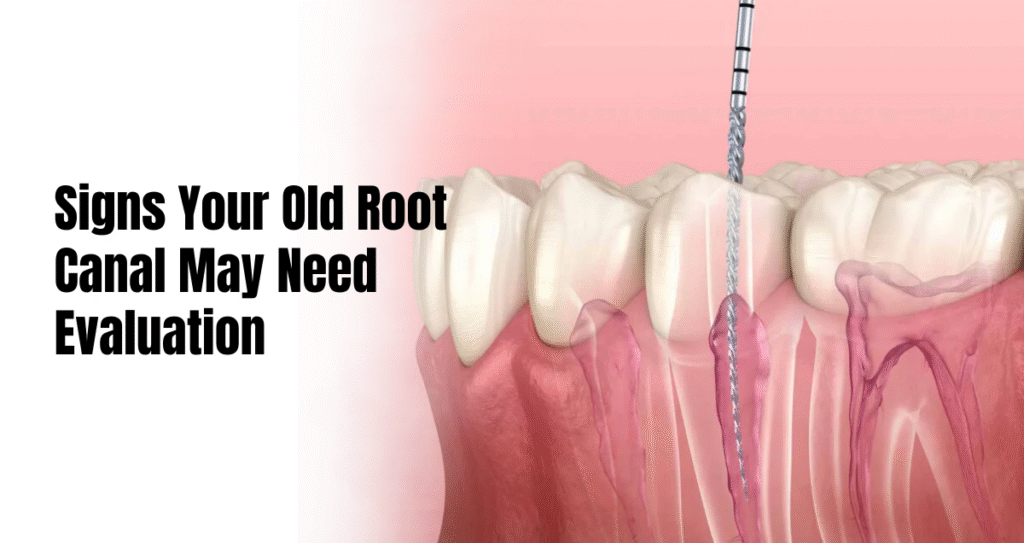
Root Canal Retreatment: Signs & When You Need It Root canal treatment is one of the most successful procedures in modern dentistry. It is designed to remove infection from inside the tooth and preserve your natural tooth structure for years. In many cases, a well-performed root canal can last decades without complications. However, sometimes a previously treated tooth may develop new symptoms. When this happens, root canal retreatment may be required to eliminate infection and restore the tooth’s health. Understanding when retreatment is necessary can help prevent severe complications such as bone loss, abscess formation, or tooth extraction. Why Would a Root Canal Need Retreatment? Root canal retreatment does not automatically mean the original procedure was poorly done. Several factors can lead to reinfection months or even years later. Common causes include: Complex Root Anatomy Some teeth—especially molars—have curved or accessory canals that may be difficult to detect during the initial treatment. If bacteria remain in tiny untreated canals, infection can redevelop. New Tooth Decay If a filling or crown becomes loose, damaged, or cracked, bacteria can enter the tooth again. Cracks or Fractures A treated tooth can develop microcracks over time, allowing infection to reach the root. Delayed Crown Placement Back teeth that do not receive a protective crown after root canal treatment are more vulnerable to leakage and fracture. These factors may lead to root canal failure symptoms, requiring professional evaluation. Signs You May Need Root Canal Retreatment Recognizing early warning signs can help save the tooth before the infection spreads. Persistent Pain After Root Canal It is not normal to experience recurring or worsening pain long after treatment. Mild tenderness immediately after RCT may occur, but pain returning months or years later is a red flag. Swelling or Gum Tenderness Swellen gums near a previously treated tooth may indicate infection at the root tip. The area may feel tender or slightly raised. Gum Boil or Pimple A small bump on the gums that releases pus is a classic sign of infection. This condition, called a sinus tract, indicates that bacteria are draining from the root area. Pain While Chewing If biting or chewing causes discomfort in a treated tooth, it may suggest internal inflammation or structural compromise. Tooth Discoloration A treated tooth that becomes darker over time may require evaluation, especially if accompanied by other symptoms. Bad Taste or Persistent Bad Breath Chronic infection can produce an unpleasant taste or odor. No Symptoms but Abnormal X-Ray Sometimes, patients feel no pain, but routine dental X-rays reveal bone loss or infection around the root tip. This is why regular dental checkups are important. Is It Normal to Feel Pain Years After a Root Canal? No. While temporary sensitivity after treatment is common, pain that reappears years later is not normal. Possible causes include: Recurrent infection Cracked root Missed canal Adjacent tooth infection Only a professional examination can confirm the exact cause. What Happens During Root Canal Retreatment? Root canal retreatment involves reopening the tooth and cleaning it again to remove persistent bacteria. The procedure typically includes: Removing the old filling material Cleaning and disinfecting all canals thoroughly Identifying previously missed canals Resealing the canals properly Placing a new restoration or crown In some complex cases, a minor surgical procedure known as apicoectomy may be recommended if infection persists at the root tip. Is Root Canal Retreatment Painful? Modern dental techniques and anesthesia make root canal retreatment comfortable. Most patients report that the procedure feels similar to the original treatment. Mild soreness may occur afterward, especially if infection was present, but it usually resolves within a few days. What Happens If Retreatment Is Delayed? Ignoring signs of infection can lead to: Spread of infection into surrounding bone Facial swelling Severe pain Formation of dental abscess Tooth loss Early root canal retreatment improves the chances of saving the natural tooth. Can All Failed Root Canals Be Retreated? Many previously treated teeth can be successfully retreated. However, success depends on: Structural condition of the tooth Extent of bone loss Presence of fractures If retreatment is not possible, alternative solutions such as extraction and replacement options may be discussed. Why City Smiles Dental Care Is the Right Choice for Root Canal Retreatment in Kolkata At City Smiles Dental Care, we understand that persistent discomfort after a previous root canal can be distressing. Our approach focuses on careful diagnosis to determine whether root canal retreatment is necessary. Each case is thoroughly evaluated using clinical examination and imaging to identify reinfection, structural damage, or restoration failure. Located in South Kolkata, the clinic provides dependable, patient-focused care aimed at preserving natural teeth whenever possible. Why patients choose City Smiles Dental Care for retreatment: Detailed evaluation of previously treated teeth Precision in identifying infection or structural issues Focus on saving natural teeth Clear explanation of retreatment options and costs Ethical and patient-first approach Long-term dental health planning Trusted dental clinic in South Kolkata Conclusion Root canal treatment is highly successful, but reinfection can occasionally occur. Persistent pain, swelling, chewing discomfort, or gum changes are warning signs that root canal retreatment may be needed. Early diagnosis and timely retreatment significantly improve the chances of preserving your natural tooth and preventing complications. If you notice any unusual symptoms around a previously treated tooth, prompt dental evaluation is essential. FAQs How long after a root canal can infection return? Infection can recur months or even years later if bacteria re-enter the tooth. Is root canal retreatment successful? Yes, retreatment has a high success rate when diagnosed early. Is retreatment more complicated than the first root canal? It can be slightly more complex because old material must be removed. Can antibiotics fix a failed root canal? Antibiotics may reduce symptoms temporarily but do not eliminate the source of infection. Does every painful root canal need retreatment? Not always. A thorough evaluation determines the exact cause of pain. About the Author Dr. Sagnik Bhattacharya MDS Consultant Endodontist (Root Canal Specialist) Assistant Professor at Guru Nanak Institute of Dental Sciences and
Root Canal for Front vs Back Teeth: Key Differences
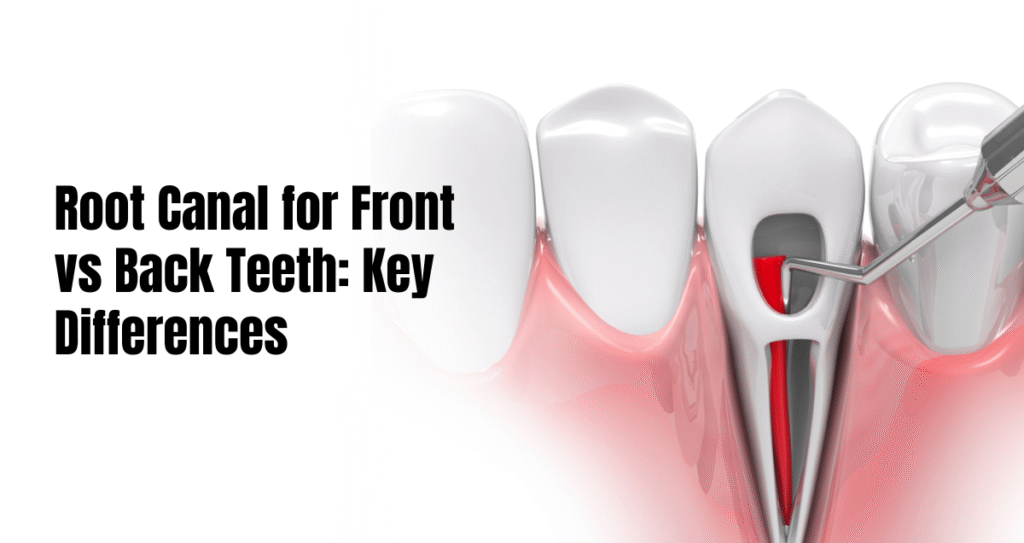
Root Canal for Front vs Back Teeth: What’s Different? When a tooth becomes severely infected or damaged, root canal treatment is often recommended to save it. However, many patients are surprised to learn that the experience of a root canal for front teeth can be quite different from a root canal for back teeth (molars or premolars). Understanding these differences helps reduce anxiety and allows patients to know what to expect in terms of procedure, time, complexity, and cost. What Is Root Canal Treatment? Root canal treatment (RCT) is a procedure used to remove infected or inflamed pulp from inside a tooth. The pulp contains nerves and blood vessels. Once infection reaches this inner layer, it can cause severe pain, swelling, and sensitivity. During the procedure: The infected pulp is removed The root canals are cleaned and disinfected The space is filled and sealed A restoration (filling or crown) is placed Although the purpose of treatment remains the same for all teeth, the complexity differs depending on whether the tooth is at the front or back of the mouth. Anatomical Differences Between Front and Back Teeth The biggest difference lies in the root structure. Front Teeth (Incisors & Canines) Usually have one root canal Easier access from the front surface Simpler internal structure Back Teeth (Premolars & Molars) Often have two to four root canals Complex and curved root structures Harder to access due to location Because molars have multiple canals, the treatment is generally more detailed and time-consuming. Procedure Differences Root Canal for Front Teeth A front tooth root canal is usually simpler because there is only one canal to clean and fill. The procedure typically: Takes less time May be completed in a single sitting Requires minimal drilling Front teeth are easier to isolate and access, which often makes the procedure more straightforward. Root Canal for Back Teeth A molar root canal is more complex. Molars have multiple roots and canals that must all be located, cleaned, and sealed properly. The procedure may: Take longer Require multiple appointments in some cases Demand advanced techniques due to curved canals Because back teeth handle chewing pressure, precise treatment is crucial for long-term durability. Is There a Difference in Pain? Many patients worry that a molar root canal will be more painful. In reality, modern anesthesia ensures that both front and back root canals are comfortable procedures. However: Back teeth may feel slightly sore longer due to chewing pressure Front teeth may feel sensitive temporarily, especially if trauma caused the infection Pain levels depend more on the severity of infection than the tooth location. Do Both Require Crowns? This is another key difference. Front Teeth Front teeth are not exposed to heavy chewing forces. In many cases, after a front tooth root canal, a filling may be sufficient. However, if the tooth is weakened or discolored, a crown may be recommended for aesthetics and strength. Back Teeth Molars experience significant chewing pressure. A crown is usually necessary after a molar root canal to prevent fracture. Skipping a crown on a back tooth can lead to cracking or failure of the treatment. Cost Differences in Kolkata The cost of root canal treatment varies depending on tooth type and complexity. Approximate range in Kolkata: Front tooth root canal: ₹3,000 – ₹6,000 Premolar root canal: ₹4,000 – ₹8,000 Molar root canal: ₹6,000 – ₹12,000 Additional costs may apply for crowns, especially in molars. Factors influencing cost include: Number of canals Severity of infection Technology used Dentist’s expertise Recovery Time Differences Recovery from both types of root canal is generally smooth. Front teeth often recover quickly due to less chewing pressure Back teeth may feel mild soreness for a few days Patients are usually advised to avoid chewing on the treated side until a permanent crown is placed. Why Timely Root Canal Treatment Is Important Whether it is a front or back tooth, delaying root canal treatment can lead to: Increased pain Spread of infection Swelling or abscess Tooth loss Saving the natural tooth is always preferable to extraction whenever possible. Why City Smiles Dental Care Is the Right Choice for Root Canal Treatment in Kolkata At City Smiles Dental Care, we understand that patients often feel anxious about root canal procedures, especially for molars. Our approach focuses on accurate diagnosis, careful cleaning of all root canals, and restoring the tooth to full function. Each case is evaluated to determine whether it involves a single-canal front tooth or a complex multi-canal molar. Located in South Kolkata, the clinic provides dependable and patient-focused root canal treatment designed for long-term success. Why patients choose City Smiles Dental Care for RCT: Detailed evaluation of infected teeth Precision in cleaning single and multi-root canal Focus on long-term durability and comfort Clear explanation of treatment and cost Ethical and transparent treatment planning Patient-first approach Trusted dental clinic in South Kolkata Conclusion While the goal of root canal treatment remains the same—removing infection and saving the tooth—the experience differs between front and back teeth. Front tooth root canals are typically simpler and quicker, while molar treatments are more complex due to multiple canals and chewing forces. Understanding these differences helps patients feel prepared and confident before treatment. Early intervention remains the key to preserving natural teeth and preventing complications. FAQs Is a molar root canal more painful than a front tooth root canal? No. Both procedures are performed under anesthesia and are generally comfortable. Do front teeth always need a crown after root canal? Not always. It depends on tooth strength and cosmetic needs. Why is molar root canal more expensive? Molars have multiple canals, making the procedure more complex. How long does root canal treatment take? Front teeth may take 45–60 minutes, while molars may take longer. Can I delay a root canal if pain reduces? No. Reduced pain does not mean infection is gone. Treatment should not be delayed. About the Author Dr. Sagnik Bhattacharya MDS Consultant
Gum Bleeding While Brushing: Is It Normal or a Warning Sign?
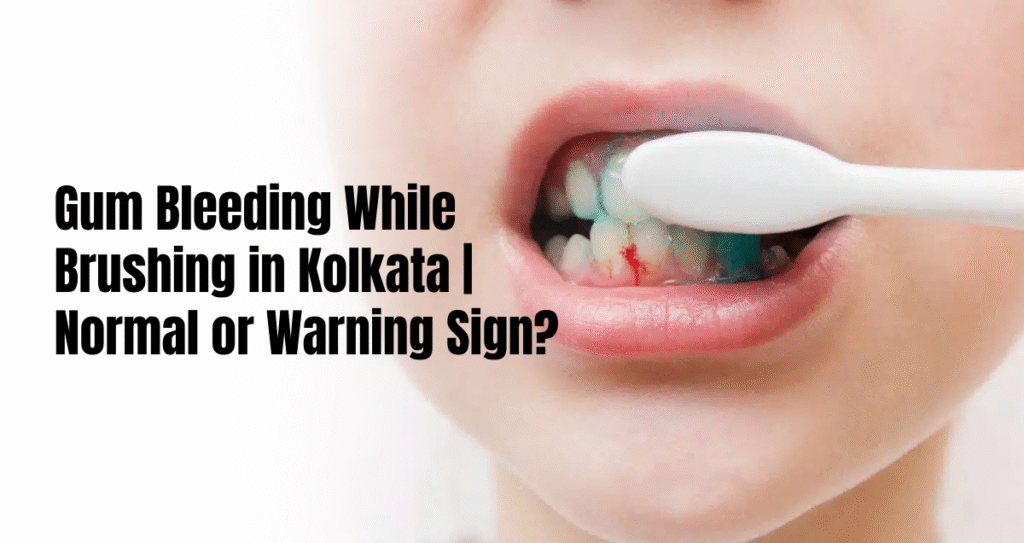
Gum Bleeding While Brushing: A Common but Serious Sign Seeing blood while brushing is often dismissed as a minor issue, but it is one of the earliest and most important warning signs of gum disease. Healthy gums are firm, pink, and do not bleed. When gums bleed regularly, it usually indicates inflammation caused by bacteria accumulation around the teeth. Many adults in Kolkata ignore this symptom because it is painless in the beginning. Unfortunately, gum disease progresses silently. Bleeding gums are often the first visible signal that something is wrong beneath the surface, and early action can prevent serious complications. Is Gum Bleeding While Brushing Ever Normal? Gum bleeding is not considered normal, especially if it occurs repeatedly. In rare cases, mild bleeding may occur when someone starts flossing after a long gap or changes their brushing routine. This usually resolves within a few days. However, if gums bleed every time you brush or floss, it is a sign of underlying gum inflammation. Persistent bleeding indicates that the gum tissue is unhealthy and reacting to bacterial irritation. Assuming this is normal delays diagnosis and allows gum disease to progress. Why Do Gums Bleed While Brushing? Gums bleed when they are inflamed, weak, or infected. The most common reason is plaque buildup—a sticky layer of bacteria that forms on teeth daily. When plaque is not removed properly, it irritates the gums and triggers inflammation. Inflamed gums have fragile blood vessels that bleed easily, even with gentle brushing. Bleeding is not caused by brushing itself, but by the unhealthy condition of the gums. Common Causes of Gum Bleeding While Brushing Plaque Buildup and Gingivitis Gingivitis is the most common cause of bleeding gums. It occurs when plaque accumulates along the gum line and causes inflammation. At this stage, gums may appear red, swollen, and bleed easily during brushing or flossing. The good news is that gingivitis is completely reversible if treated early. Professional dental cleaning combined with proper oral hygiene can restore gum health and stop bleeding. Progression to Periodontitis When gingivitis is ignored, it can progress into periodontitis, a more severe and irreversible form of gum disease. In this stage, bacteria move deeper below the gums and begin destroying the bone that supports the teeth. Bleeding becomes more frequent and may be accompanied by bad breath, gum recession, pus discharge, and tooth mobility. Periodontitis cannot be cured with brushing alone and requires professional dental treatment. Incorrect Brushing Technique Using excessive force while brushing or using a hard-bristled toothbrush can damage gum tissue. While aggressive brushing can cause bleeding, it often worsens existing gum inflammation rather than being the main cause. Correct brushing technique involves gentle, circular motions with a soft-bristled toothbrush. Brushing harder does not clean better—it increases gum damage. Poor Oral Hygiene Habits Skipping flossing or brushing irregularly allows plaque to accumulate between teeth and under the gum line. These areas are not easily cleaned by brushing alone, making them common sites for gum inflammation and bleeding. Poor oral hygiene over time leads to tartar formation, which cannot be removed without professional dental cleaning. Hormonal Changes Hormonal fluctuations during pregnancy, puberty, or certain medical conditions increase blood flow to the gums and make them more sensitive to plaque. This sensitivity can cause gums to bleed more easily, even with good oral hygiene. While hormones increase susceptibility, plaque is still the trigger. Dental evaluation and preventive care are essential during these periods. Vitamin Deficiencies Deficiencies, particularly vitamin C deficiency, weaken gum tissue and reduce its ability to heal. This makes gums more prone to inflammation and bleeding. Dentists often consider nutritional factors when bleeding gums do not improve with routine dental care. Medical Conditions and Medications Conditions such as diabetes reduce the body’s ability to fight infection, increasing the risk of gum disease and bleeding. Blood-thinning medications may also cause gums to bleed more easily. A dental examination helps determine whether bleeding is primarily dental or influenced by medical factors. When Gum Bleeding Is a Warning Sign Gum bleeding should be treated as a warning sign when it: Occurs frequently or daily Is accompanied by swelling or redness Comes with bad breath Causes discomfort while chewing Is associated with gum recession These signs usually indicate active gum disease that needs professional care. Why Ignoring Bleeding Gums Is Risky Ignoring bleeding gums allows gum disease to progress silently. Over time, untreated gum disease can lead to bone loss, loose teeth, and eventual tooth loss. Gum disease is also linked to systemic health issues such as diabetes and heart disease. Early treatment protects both oral and overall health. How Dentists Treat Bleeding Gums Professional Dental Cleaning Scaling and polishing remove plaque and tartar from teeth and gum margins. This is usually sufficient to treat early gingivitis and stop bleeding. Deep Cleaning (Scaling and Root Planing) For moderate to advanced gum disease, deep cleaning removes bacteria from below the gum line and smoothens root surfaces, allowing gums to heal and reattach. Gum Disease Management Advanced cases require ongoing periodontal care, regular follow-ups, and strict oral hygiene maintenance to prevent progression. Oral Hygiene Guidance Dentists educate patients on correct brushing techniques, flossing methods, and product selection to maintain gum health long-term. What You Should Do at Home Home care plays a supportive role and includes: Gentle brushing twice daily Daily flossing Avoiding tobacco Balanced nutrition However, home care alone cannot reverse established gum disease. Why Choose City Smiles Dental Care for Bleeding Gums Treatment in Kolkata City Smiles Dental Care focuses on identifying the exact cause of gum bleeding rather than offering short-term relief. Each patient undergoes a detailed gum evaluation to determine disease stage and appropriate treatment. The clinic emphasizes early intervention, ethical treatment planning, and long-term gum health. Located in South Kolkata, City Smiles Dental Care is trusted for comprehensive and patient-focused dental care. Why patients trust City Smiles Dental Care: Accurate gum disease diagnosis Professional cleaning and periodontal care Clear treatment explanation Gentle, patient-friendly approach Focus on prevention and
Can a Tooth Infection Heal on Its Own? Facts vs Myths
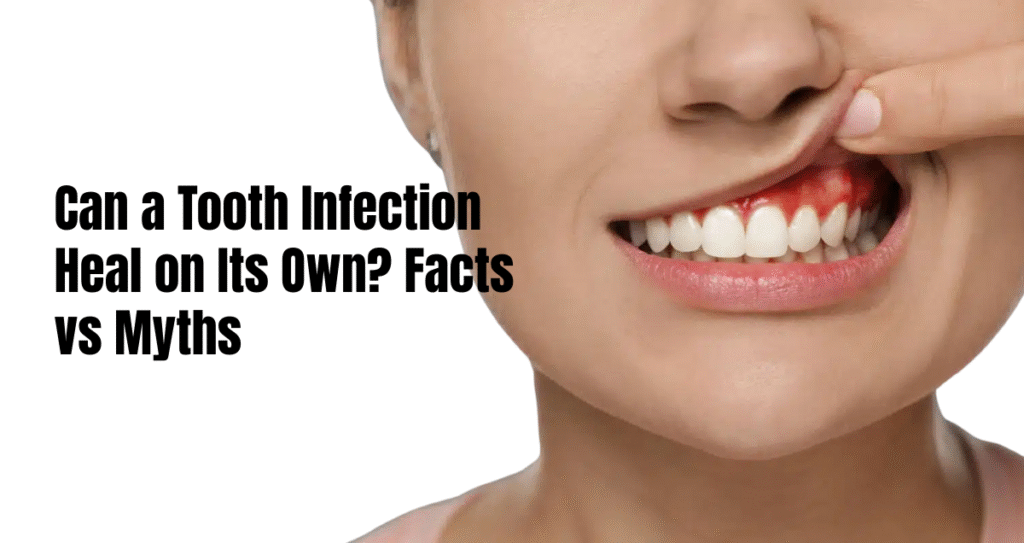
Can a Tooth Infection Heal on Its Own? Facts vs Myths At City Smiles Dental Care, we often meet patients who come to us only after days—or even weeks—of ignoring tooth pain. One of the most common reasons for delay is a simple belief: “The pain will go away on its own.” This leads to an important and frequently searched question: can a tooth infection heal on its own? For patients and parents alike, understanding the real answer can prevent severe pain, emergency situations, and long-term dental damage. In this blog, our dentists explain the facts vs myths, symptoms to watch for, and why early treatment is always the safest option. What Is a Tooth Infection? A tooth infection occurs when bacteria enter the inner part of the tooth, known as the pulp. This pulp contains nerves and blood vessels that keep the tooth alive. Under normal conditions, it is well protected by enamel and dentin. However, when a tooth develops deep decay, cracks, broken fillings, gum disease, or trauma, bacteria can reach this sensitive area. Once bacteria infect the pulp, the tooth becomes inflamed and painful. Because the tooth is a hard, enclosed structure, the infection cannot drain naturally. This causes pressure buildup and pus formation, which is known as a dental abscess. Over time, the infection spreads from the tooth root into the surrounding bone and soft tissues. Can a Tooth Infection Heal on Its Own? The clear and medically correct answer is no, a tooth infection cannot heal on its own. Many patients feel temporary relief when tooth pain suddenly disappears and assume the infection has resolved. In reality, this usually means the nerve inside the tooth has died. While pain may reduce, the infection remains active and often becomes more dangerous because it continues without noticeable symptoms. The body’s immune system cannot fully fight a tooth infection because blood supply to the infected pulp is severely limited. Without professional dental treatment, the bacteria stay trapped inside the tooth and continue to spread. Facts vs Myths About Tooth Infection Healing Myth: If the pain stops, the infection is cured This is one of the most harmful misconceptions. Pain often stops when the nerve dies—not when the infection heals. Many serious dental abscess cases begin after patients ignore pain-free infected teeth. Myth: Antibiotics alone can cure a tooth infection Antibiotics may temporarily reduce swelling or fever, but they cannot remove infected tissue from inside the tooth. Once antibiotics are stopped, the infection almost always returns. Myth: Home remedies can heal a tooth infection Salt water rinses, clove oil, garlic, or herbal remedies may provide short-term comfort, but they cannot kill bacteria deep inside the tooth or jawbone. Myth: Tooth infections in children are not serious In children, tooth infections spread faster due to thinner bone and can damage developing permanent teeth if left untreated. Why Tooth Infections Do Not Heal Naturally Unlike skin infections or minor wounds, tooth infections are trapped inside a closed structure. Once bacteria reach the pulp: The infection becomes sealed within the tooth Pus accumulates without a natural drainage pathway Pressure increases, damaging surrounding bone Infection spreads to gums, jawbone, or facial tissues Because of this, waiting for a tooth infection to heal naturally is unsafe and ineffective. Common Signs and Symptoms of a Tooth Infection Tooth infections do not always start with severe pain. Early symptoms are often ignored, especially by children who may not express discomfort clearly. Common symptoms include: Persistent or throbbing toothache Sensitivity to hot or cold foods Swollen or tender gums A pimple-like bump on the gums Bad taste or foul-smelling breath As the infection worsens, symptoms may progress to facial swelling, fever, fatigue, difficulty chewing, or trouble opening the mouth. In children, irritability, sleep disturbance, and refusal to eat are common warning signs. What Happens If a Tooth Infection Is Left Untreated? An untreated tooth infection does not stay confined to the mouth. Over time, it can lead to serious health complications such as: Jawbone damage, which weakens tooth support and may cause tooth loss Facial and neck swelling, sometimes affecting breathing or swallowing Sinus infections, especially from upper teeth Spread of infection, which in rare cases can enter the bloodstream At our South Kolkata clinic, we regularly see patients whose treatment could have been much simpler if addressed earlier. Learn more – Tooth Pain at Night in Kolkata | Causes & Immediate Relief Tooth Infection Treatment Options The treatment required depends on how advanced the infection is and whether the tooth can be saved. Common treatment options include: Root canal treatment, which removes infected pulp and preserves the natural tooth Tooth extraction, when the tooth is too damaged to be saved Abscess drainage, to relieve pressure and remove pus Antibiotics, used only as supportive treatment along with dental procedures Early treatment not only reduces pain but also lowers cost and treatment complexity. Tooth Infections in Children: What Parents Should Know Parents often assume baby teeth are temporary and less important. However, infections in primary teeth can affect a child’s nutrition, speech development, sleep quality, and the proper alignment of permanent teeth. Prompt dental care prevents emergencies and ensures healthy oral development. Regular checkups help detect infections before they become painful or dangerous. Conclusion A tooth infection cannot heal on its own, even if pain disappears temporarily. Delaying treatment allows the infection to spread, increases health risks, and often results in more invasive procedures. Early diagnosis and timely dental care are always the safest and most effective solutions. Call to Action If you or your child is experiencing tooth pain, swelling, or any signs of infection, do not wait. At City Smiles Dental Care, South Kolkata, our experienced dentists diagnose and treat tooth infections at an early stage to prevent complications. Book a consultation today and protect your oral and overall health. FAQs Can a tooth infection go away naturally without treatment? No. The infection remains active and worsens over time. Why does
Tooth Sensitivity to Cold & Sweet: Causes & Best Solutions

Tooth Sensitivity to Cold & Sweet: Causes & Best Solutions Does a sip of cold water or a bite of dessert send a sharp pain through your teeth? Tooth sensitivity to cold and sweet foods is a very common dental problem that affects people of all ages. While some experience mild discomfort, others feel intense, sudden pain that disrupts daily eating habits. Many people ignore tooth sensitivity, assuming it is temporary. However, recurring sensitivity often indicates an underlying dental issue that needs attention. Understanding the causes and solutions can help prevent the problem from worsening. What Is Tooth Sensitivity? Tooth sensitivity occurs when the inner layer of the tooth, called dentin, becomes exposed. Dentin contains microscopic tubules that connect directly to the tooth nerve. When enamel wears down or gums recede, these tubules are no longer protected. Cold drinks, ice cream, sweets, and even cold air can刺激 these nerve endings, causing sharp, short-lasting pain. Although the pain usually fades quickly, repeated sensitivity is a sign that the tooth’s protective layers are compromised. Why Teeth React to Cold and Sweet Foods Cold temperatures cause fluid movement inside the dentin tubules, which stimulates the nerve. Sweet foods create a chemical reaction that also irritates the nerve endings. When teeth are healthy and well-protected, these sensations are blocked. If sensitivity occurs frequently, it usually means: Enamel has weakened Gums have receded Tooth decay or cracks are present Ignoring these signs can allow the problem to progress into more serious dental conditions. Common Causes of Tooth Sensitivity to Cold & Sweet Tooth sensitivity can develop gradually or appear suddenly, depending on the underlying cause. One of the most common reasons is enamel erosion, often caused by aggressive brushing, hard-bristled toothbrushes, or acidic foods and drinks. Over time, enamel becomes thinner, exposing the dentin beneath. Gum recession is another major cause. When gums pull back due to gum disease or improper brushing techniques, the tooth roots—naturally more sensitive—become exposed. Other common causes include: Tooth decay or cavities Cracked or chipped teeth Teeth grinding (bruxism) Recent dental procedures such as fillings or whitening Each of these conditions allows external stimuli to reach the tooth nerve more easily. When Tooth Sensitivity Should Not Be Ignored Occasional sensitivity may not always be serious, but persistent or worsening pain is a warning sign. Dental evaluation is important if: Sensitivity lasts for more than two weeks Pain is sharp and intense Only one tooth is affected Sensitivity is accompanied by swelling or bleeding gums In many cases, early treatment can prevent the need for complex procedures later. Best Solutions for Tooth Sensitivity The most effective treatment depends on the cause of sensitivity. After a proper dental examination, solutions may include: Desensitizing toothpaste, which blocks pain signals from the tooth nerve Fluoride treatments, to strengthen enamel and reduce sensitivity Dental fillings or bonding, to cover exposed dentin or cavities Gum treatment, if sensitivity is caused by gum recession or gum disease Night guards, for patients who grind their teeth Root canal treatment, in severe cases where the nerve is affected Early intervention usually leads to quicker relief and simpler treatment. Home Care Tips to Reduce Tooth Sensitivity Along with professional treatment, daily habits play an important role in managing sensitivity. Simple steps include using a soft-bristled toothbrush, avoiding aggressive brushing, limiting acidic foods, and rinsing with plain water after consuming sweets or acidic drinks. These practices help protect enamel and prevent sensitivity from worsening. Tooth Sensitivity in Children and Teens Children may also experience sensitivity, especially due to cavities, enamel defects, or early gum problems. Complaints of pain while drinking cold beverages or eating sweets should never be ignored. Early dental care helps prevent long-term dental issues and discomfort. Why Choose City Smiles Dental Care? Dental problems often require more than just symptom-based treatment—they need accurate diagnosis and a long-term care approach. At City Smiles Dental Care, we focus on understanding the root cause of dental concerns and providing treatment plans tailored to each patient’s needs. Our clinic combines experienced dentists, modern diagnostic techniques, and a patient-first philosophy to ensure safe, comfortable, and effective care for adults and children alike. Patients across South Kolkata trust us not only for treatment, but also for clear guidance, preventive care, and honest dental advice that supports long-term oral health. Conclusion Tooth sensitivity to cold and sweet foods is not something you should simply live with. While mild sensitivity may be manageable, persistent or sharp pain often signals an underlying dental problem. Identifying the cause early helps protect your teeth, reduce discomfort, and avoid more serious complications. FAQs Is tooth sensitivity a serious problem? It can be, especially if it persists or worsens over time. Can cavities cause sensitivity to sweets? Yes, sensitivity to sweet foods is often an early sign of tooth decay. Does tooth sensitivity always need treatment? Mild cases may improve, but persistent sensitivity should be evaluated. Can tooth sensitivity be cured permanently? Many cases can be effectively treated once the underlying cause is addressed. Is tooth sensitivity common with age? Yes, due to enamel wear and gum recession, sensitivity is more common in adults. About the Author Dr. Sagnik Bhattacharya MDS Consultant Endodontist (Root Canal Specialist) Assistant Professor at Guru Nanak Institute of Dental Sciences and Research Kolkata Founder & Lead Dentist, City Smiles Dental Care — Baghajatin, Kolkata Dr. Sagnik is known for his gentle approach, precision-based dentistry, and modern treatment techniques. Specializing in endodontics (root canal treatment), pediatric dentistry, and pain-free restorative care, he has helped thousands of patients regain their smiles with confidence. At City Smile Dental Care, the focus is simple:Advanced dentistry. Zero fear. Total comfort.
Bad Breath That Won’t Go Away? Dental Causes & Solutions
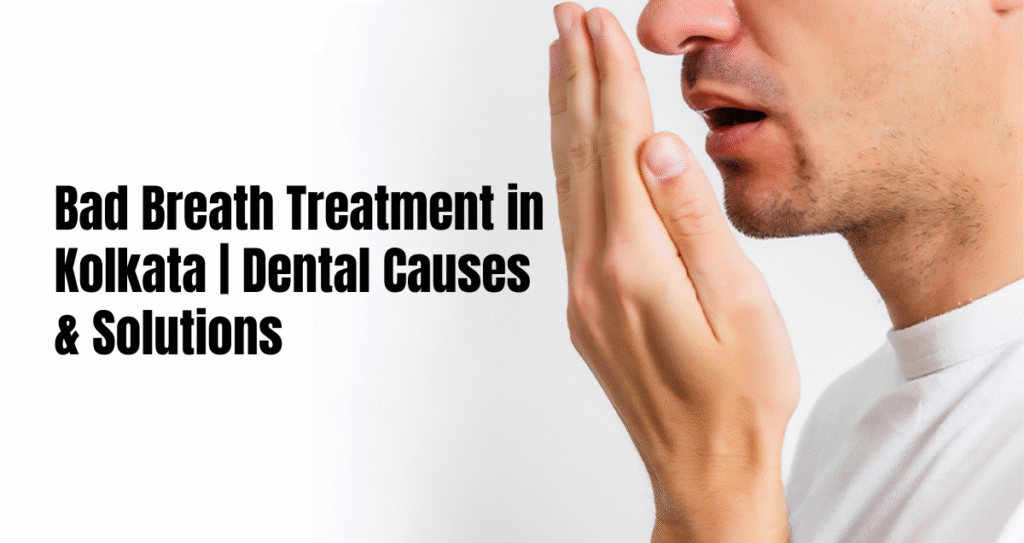
Bad Breath That Won’t Go Away: A Common but Ignored Problem Occasional bad breath can happen to anyone, especially after eating strong-smelling foods. However, bad breath that won’t go away, even after brushing or using mouthwash, is a sign of an underlying problem. Many adults in Kolkata struggle with chronic bad breath but hesitate to seek dental advice due to embarrassment or the belief that it is a minor issue. Persistent bad breath, also known as chronic halitosis, is often linked to dental or gum-related conditions. Temporary solutions like mints or mouth fresheners only mask the odor and do not address the root cause. Understanding the dental causes of bad breath and the right treatment approach is essential for long-term relief. Why Bad Breath Persists Even After Brushing Bad breath persists when odor-causing bacteria remain in the mouth despite regular brushing. These bacteria release sulfur compounds that produce an unpleasant smell. Brushing alone may not reach deep gum pockets, tongue surfaces, or infected areas where bacteria thrive. If the source of bad breath is untreated decay, gum disease, or infection, the odor will continue until professional dental treatment is done. Common Dental Causes of Bad Breath That Won’t Go Away 1. Gum Disease (Gingivitis and Periodontitis) Gum disease is the most common dental cause of chronic bad breath. When plaque accumulates along the gum line, bacteria multiply and cause inflammation. As gum disease progresses: Gums become swollen and bleed easily Pockets form between teeth and gums Food particles and bacteria get trapped A strong, persistent odor develops In advanced periodontitis, bone loss and pus discharge further worsen breath odor. Mouthwash cannot eliminate this type of bad breath. 2. Poor Oral Hygiene and Plaque Buildup Inadequate brushing and flossing allow plaque to build up on teeth, between teeth, and along the gum line. Plaque harbors bacteria that produce foul-smelling gases. Even patients who brush daily may miss: The back teeth Between teeth Along the gum margins Without professional cleaning, plaque hardens into tartar, which continuously contributes to bad breath. 3. Tongue Coating The tongue has a rough surface that traps bacteria, food debris, and dead cells. A white or yellow coating on the tongue is a common cause of bad breath. Many people brush their teeth but ignore tongue cleaning. Bacteria on the tongue are a major source of sulfur compounds responsible for persistent odor. 4. Tooth Decay and Cavities Cavities trap food particles that rot over time, creating an unpleasant smell. Deep decay may also lead to infection inside the tooth. Bad breath caused by cavities often comes with: Tooth sensitivity Pain while chewing Dark spots on teeth Unless the decayed tooth is treated, bad breath will persist. 5. Dental Infections and Abscess An infected tooth or dental abscess produces pus, which has a strong foul odor. This type of bad breath is often accompanied by pain, swelling, or a bad taste in the mouth. Dental infections are serious and require immediate treatment. Ignoring them can lead to serious complications beyond bad breath. 6. Dry Mouth (Xerostomia) Saliva helps cleanse the mouth and neutralize bacteria. Reduced saliva flow allows bacteria to multiply rapidly. Dry mouth may be caused by: Dehydration Certain medications Mouth breathing Smoking Chronic dry mouth increases the risk of bad breath and dental problems. 7. Ill-Fitting Crowns, Bridges, or Dentures Poorly fitted dental restorations can trap food and bacteria underneath. Over time, this leads to persistent odor that cannot be removed with brushing. Regular dental checkups help detect and correct such issues early. How Dentists Diagnose the Cause of Chronic Bad Breath A dentist evaluates bad breath by: Examining gums and teeth Checking for plaque, decay, or infection Assessing gum pockets Evaluating tongue coating Reviewing dental restorations Identifying the exact cause is essential for effective treatment. Dental Treatment Options for Bad Breath 1. Professional Dental Cleaning Scaling and polishing remove plaque and tartar that brushing cannot. This is often the first and most effective step in treating bad breath caused by poor oral hygiene or early gum disease. 2. Gum Disease Treatment For advanced gum disease, treatment may include: Deep cleaning (scaling and root planing) Periodontal therapy Ongoing maintenance visits Treating gum disease significantly improves breath quality. 3. Treating Cavities and Infections Filling cavities, performing root canal treatment, or treating abscesses removes the source of infection and odor. 4. Tongue Cleaning Guidance Dentists educate patients on proper tongue cleaning techniques using tongue scrapers or brushes to reduce bacterial buildup. 5. Restorative Corrections Replacing or adjusting faulty crowns, bridges, or dentures helps eliminate trapped bacteria and odor. Home Care Tips to Support Dental Treatment Along with professional care: Brush twice daily with proper technique Floss daily Clean the tongue gently Drink plenty of water Avoid tobacco products Home care supports treatment but cannot replace dental intervention. When Should You Visit a Dentist in Kolkata for Bad Breath? Consult a dentist if: Bad breath persists despite good oral hygiene Gums bleed or are swollen You notice pus or a bad taste Tooth pain or sensitivity is present Mouthwash provides only temporary relief Persistent bad breath is a dental warning sign, not just a hygiene issue. Why Choose City Smiles Dental Care for Bad Breath Treatment in Kolkata City Smiles Dental Care focuses on identifying the root cause of chronic bad breath rather than offering temporary fixes. Each patient receives a thorough dental and gum evaluation to determine whether the issue is related to gum disease, decay, infection, or oral hygiene. The clinic follows a patient-first, ethical approach with an emphasis on long-term oral health. Conveniently located in South Kolkata, City Smiles Dental Care is trusted for comprehensive dental solutions. Why patients trust City Smiles Dental Care: Accurate diagnosis of bad breath causes Advanced gum and infection evaluation Professional dental cleaning and treatment Clear guidance on long-term prevention Focus on oral health, not temporary masking Trusted dental clinic in South Kolkata Conclusion Bad breath that won’t go away is not something to ignore or hide. It is often a
Tooth Pain at Night? Causes & Immediate Relief Tips for Kolkata Residents
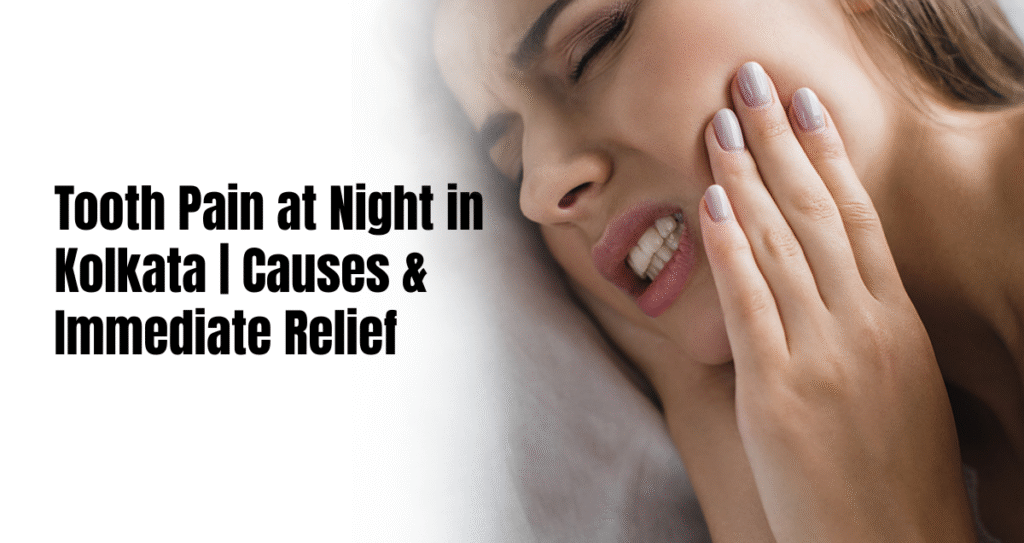
Tooth Pain at Night: Why It Feels Worse After Dark Tooth pain that worsens at night is one of the most uncomfortable and distressing dental problems. Many people experience sharp, throbbing, or constant tooth pain that becomes unbearable when lying down. The pain often disrupts sleep, increases anxiety, and leaves patients unsure about what to do next. Night-time tooth pain is rarely random. It usually indicates an underlying dental problem that needs professional attention. Understanding the causes of tooth pain at night and knowing how to get immediate relief can help manage discomfort until proper dental treatment is provided. Why Tooth Pain Increases at Night Tooth pain often feels more intense at night due to several reasons: When lying down, increased blood flow to the head can intensify pressure around inflamed tooth nerves Fewer distractions at night make pain feel stronger Reduced saliva flow allows bacteria to irritate teeth and gums Swelling around nerves becomes more noticeable in a resting position Night pain is often a warning sign that should not be ignored. Common Causes of Tooth Pain at Night 1. Deep Tooth Decay or Cavities Advanced tooth decay is one of the most common causes of tooth pain at night. When decay reaches the inner layers of the tooth, it irritates the nerve, causing sharp or throbbing pain. Pain may worsen: When lying down With hot or cold foods During late-night hours Untreated cavities often progress into infections, making timely dental care essential. 2. Tooth Infection or Dental Abscess A dental abscess is a serious infection around the tooth root or gums. It often causes severe night-time pain, swelling, fever, and a bad taste in the mouth. Signs include: Throbbing pain that keeps you awake Swelling of gums or face Sensitivity to pressure Pus discharge This condition requires urgent dental treatment and should not be delayed. 3. Cracked or Fractured Tooth A cracked tooth may not hurt during the day but can cause sharp pain at night, especially when pressure builds up around the nerve. Cracks allow bacteria to enter the tooth, leading to inflammation and infection. Even hairline cracks can cause significant discomfort when ignored. 4. Gum Infection or Gum Disease Inflamed or infected gums can cause dull, aching pain that worsens at night. Plaque buildup, poor oral hygiene, or trapped food particles often contribute to gum-related pain. Symptoms may include: Red or swollen gums Bleeding while brushing Bad breath Pain near the gumline Gum infections should be treated early to avoid spread. 5. Recent Dental Treatment Sensitivity Some patients experience temporary sensitivity after dental procedures such as fillings or root canal treatment. This sensitivity may worsen at night but usually subsides within a few days. Persistent pain after treatment should be evaluated by a dentist. 6. Teeth Grinding (Bruxism) Night-time teeth grinding puts excessive pressure on teeth and jaw muscles, leading to pain that is more noticeable at night or early morning. Bruxism can cause: Tooth sensitivity Jaw pain Headaches Cracked teeth over time A dental evaluation helps confirm this condition. Immediate Relief Tips for Tooth Pain at Night These steps can help reduce discomfort temporarily until you reach a dentist. 1. Rinse With Warm Salt Water Salt water helps reduce inflammation and cleanse the area. Gently rinsing the mouth can provide temporary relief from pain and swelling. 2. Apply a Cold Compress Externally Placing a cold compress on the cheek near the painful area helps reduce swelling and numb pain. Apply for 10–15 minutes at a time. 3. Keep Your Head Elevated Sleeping with your head slightly elevated reduces blood pressure around the tooth and may ease throbbing pain. 4. Avoid Hot, Cold, or Sugary Foods Extreme temperatures and sugary foods can worsen nerve pain. Stick to soft, neutral foods if needed. 5. Maintain Gentle Oral Hygiene Gently brushing and flossing removes trapped food that may be aggravating pain. Avoid aggressive brushing around the painful area. 6. Do Not Apply Home Remedies Directly to the Tooth Avoid clove oil, alcohol, or chemical remedies directly on gums or teeth without dental advice, as they can cause burns or irritation. These measures offer short-term relief but do not treat the root cause. When Tooth Pain at Night Becomes a Dental Emergency Seek immediate dental care if: Pain is severe and constant Swelling spreads to face or jaw Fever accompanies tooth pain Pus discharge is present Pain lasts more than 24 hours Sleep is repeatedly disturbed These symptoms indicate infection or nerve involvement and require urgent attention. Learn more – Emergency Dental Care in Kolkata: What to Do & Where to Go Why City Smiles Dental Care Is the Right Choice for Night Tooth Pain in Kolkata City Smiles Dental Care understands how distressing night-time tooth pain can be. The clinic focuses on identifying the root cause of pain and providing fast, effective relief. Every patient is carefully evaluated to ensure pain is controlled and long-term dental health is restored. Located in South Kolkata, the clinic offers reliable care for both sudden dental pain and underlying dental conditions. Why patients choose City Smiles Dental Care for tooth pain relief: Prompt evaluation for severe tooth pain Effective pain-managed dental treatment Accurate diagnosis using modern tools Clear explanation of treatment options Care for adults and children Ethical and patient-first approach Trusted dental clinic in South Kolkata How Dentists Treat Tooth Pain That Worsens at Night Treatment depends on the cause and may include: Dental fillings for cavities Root canal treatment for infected nerves Treatment of gum infection Crown placement for cracked teeth Bite guards for teeth grinding Addressing the cause is the only way to stop night-time tooth pain permanently. Conclusion Tooth pain at night is a strong warning sign that should never be ignored. While temporary relief measures can help manage discomfort, professional dental care is essential to treat the underlying problem. For Kolkata residents experiencing night-time tooth pain, City Smiles Dental Care offers timely diagnosis, pain relief, and long-term solutions to restore comfort and oral health. Frequently Asked
Re-Root Canal Treatment in Kolkata: When Your Previous RCT Fails
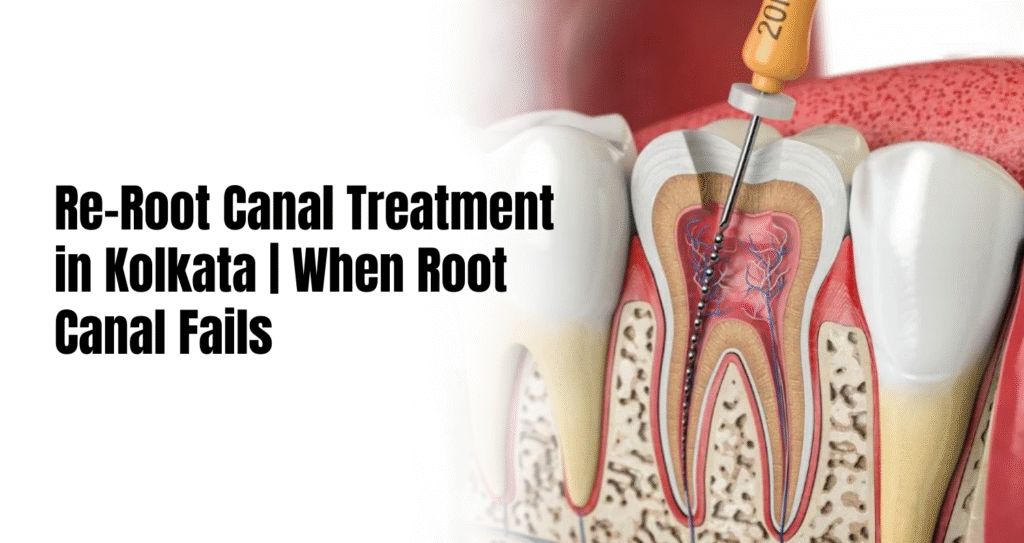
Re-Root Canal Treatment in Kolkata: Understanding RCT Failure Root canal treatment (RCT) is designed to save an infected or damaged tooth and relieve pain permanently. However, in some cases, patients experience pain, swelling, or infection months or even years after the procedure. This situation is commonly referred to as failed root canal treatment. When a previous RCT fails, the tooth does not always need to be extracted. In many cases, the tooth can still be saved with re-root canal treatment, also known as root canal retreatment. Understanding why RCT fails and when retreatment is required helps patients take timely action and avoid tooth loss. What Is Re-Root Canal Treatment? Re-root canal treatment is a dental procedure performed on a tooth that has already undergone root canal treatment but continues to show signs of infection or pain. The goal is to remove residual or new infection, thoroughly clean the canals again, and seal them properly to restore tooth health. This procedure is more complex than a first-time RCT and requires expertise, precision, and advanced diagnostic tools. Signs That Your Previous Root Canal Has Failed Patients often ignore early warning signs, assuming discomfort is temporary. However, persistent symptoms indicate that retreatment may be necessary. Common signs of failed root canal treatment include: Persistent or recurring tooth pain Swelling around gums or face Pus discharge near the treated tooth Pain while biting or chewing Sensitivity that does not go away Bad taste or foul smell in the mouth A pimple-like swelling on the gums If you experience any of these symptoms, consult a dentist immediately for evaluation. Why Does Root Canal Treatment Fail? Root canal failure can occur for several reasons. Understanding these causes helps patients appreciate why retreatment is sometimes needed. 1. Missed Canals During Initial Treatment Some teeth have complex root structures with extra or hidden canals. If even one canal is missed during the first RCT, bacteria can remain inside and cause reinfection. This is one of the most common reasons for failed root canal treatment. 2. Incomplete Cleaning or Sealing of Canals If canals are not cleaned thoroughly or sealed properly, bacteria can survive and multiply. Even small gaps in the filling material allow reinfection over time. 3. Delay in Crown Placement After RCT After RCT, the tooth becomes weak and vulnerable. Delaying or skipping crown placement can lead to cracks, leakage, or bacterial entry, eventually causing failure. 4. Cracks or Fractures in the Tooth Cracks may develop due to chewing pressure, trauma, or grinding. These cracks can allow bacteria to enter areas that cannot be cleaned during the original RCT. 5. New Decay Around the Treated Tooth Poor oral hygiene or high sugar intake can cause new cavities around a treated tooth, exposing the root canal filling to bacteria again. When Is Re-Root Canal Treatment Recommended? Re-root canal treatment is recommended when: The tooth structure is still restorable Infection is localized and manageable There is no severe vertical fracture The patient wants to save the natural tooth A thorough clinical exam and X-rays are required to determine whether retreatment is possible or extraction is the better option. How Is Re-Root Canal Treatment Performed? Re-RCT involves several careful steps: Step 1: Diagnosis and Imaging Digital X-rays or advanced imaging help identify infection, missed canals, or structural issues. Step 2: Removal of Old Filling Material The dentist removes previous root canal filling material to access the canals again. Step 3: Cleaning and Disinfection All canals are thoroughly cleaned, disinfected, and shaped to eliminate bacteria. Step 4: Re-Sealing the Canals The canals are filled again with biocompatible material to prevent reinfection. Step 5: Crown Replacement (If Needed) A new crown may be placed to protect the tooth and restore function. Because of its complexity, re-root canal treatment should always be done by an experienced dentist. Is Re-Root Canal Treatment Painful? Modern dental techniques ensure that re-RCT is generally comfortable. Local anesthesia is used, and patients typically experience minimal discomfort during and after the procedure. Post-treatment soreness, if any, usually resolves within a few days. Success Rate of Re-Root Canal Treatment When performed correctly, re-root canal treatment has a high success rate. Saving the natural tooth is always preferable to extraction when possible, as it preserves chewing efficiency and jaw health. Early diagnosis significantly improves success outcomes. Cost of Re-Root Canal Treatment in Kolkata The cost of re-root canal treatment in Kolkata varies depending on tooth type and complexity. Approximate cost range: Front teeth: ₹4,000 – ₹7,000 Premolars: ₹6,000 – ₹9,000 Molars: ₹8,000 – ₹15,000 Additional costs may apply for: Crown replacement Advanced imaging Severe infections Exact cost is determined after clinical evaluation. Why Choose City Smiles Dental Care for Re-Root Canal Treatment in Kolkata City Smiles Dental Care specializes in managing complex dental cases, including failed root canal treatments. Each retreatment case is carefully evaluated to determine whether the tooth can be saved safely and effectively. The clinic follows a conservative, tooth-preserving approach while using modern diagnostic tools for accurate treatment planning. Why patients trust City Smiles Dental Care: Experienced dentists in root canal and retreatment cases Advanced diagnostic and treatment techniques Thorough cleaning and sealing protocols Clear explanation of treatment options and cost Focus on saving natural teeth whenever possible Ethical and patient-first approach Trusted dental clinic in South Kolkata What Happens If Re-Root Canal Treatment Is Not Done? Ignoring a failed RCT can lead to: Worsening infection Severe pain and swelling Bone loss around the tooth Tooth extraction Spread of infection to surrounding areas Timely retreatment prevents these complications and preserves oral health. Conclusion A failed root canal does not always mean losing the tooth. Re-root canal treatment in Kolkata offers a reliable solution to eliminate infection and save your natural tooth when performed by an experienced dentist. If you experience pain or swelling after a previous RCT, early consultation is crucial. City Smiles Dental Care provides expert re-root canal treatment with a focus on accuracy, comfort, and long-term success. Frequently Asked Questions 1. How do I know
Best Dentist in South Kolkata: Qualities to Look For
Why Choosing the Best Dentist in South Kolkata Matters Dental health is closely linked to overall health, confidence, and quality of life. Whether you need routine dental care, cosmetic treatment, orthodontics, or emergency attention, choosing the best dentist in South Kolkata plays a crucial role in ensuring safe, effective, and long-lasting results. With many dental clinics available, patients often feel confused about how to identify the right dentist. A good dentist is not just someone who treats problems, but someone who prevents them, communicates clearly, and prioritizes patient comfort. Understanding the essential qualities to look for helps you make a confident decision for yourself and your family. 1. Strong Educational Background and Clinical Experience One of the most important qualities of the best dentist in South Kolkata is proper education combined with hands-on clinical experience. Dentistry requires precision, decision-making skills, and up-to-date knowledge. An experienced dentist is better equipped to: Diagnose problems accurately Handle complex cases Manage complications effectively Provide predictable treatment outcomes Experience becomes especially important for procedures like root canal treatment, crowns, orthodontics, and emergency dental care. 2. Focus on Accurate Diagnosis Before Treatment A reliable dentist never rushes into treatment. Accurate diagnosis is the foundation of effective dental care. The best dental clinics focus on: Detailed oral examination Use of X-rays or digital scans when required Understanding patient symptoms and history Explaining the diagnosis clearly Without proper diagnosis, even well-intended treatment can fail. Choosing a dentist who prioritizes diagnosis ensures long-term success. 3. Use of Modern Dental Technology Advanced dental technology improves accuracy, comfort, and safety. The best dentist in South Kolkata invests in modern tools to deliver high-quality care. Key technologies include: Digital X-rays with lower radiation Intraoral cameras for clear visuals Modern sterilization systems Advanced endodontic and restorative tools Technology not only improves results but also enhances patient confidence. 4. Clear Communication and Transparency A good dentist takes time to explain treatment options, procedures, risks, benefits, and costs in simple language. Clear communication helps patients: Understand why treatment is needed Compare available options Feel confident and relaxed Avoid unexpected costs Transparency builds trust and long-term relationships between patients and dentists. 5. Emphasis on Patient Comfort and Pain Management Fear of pain is one of the main reasons people avoid dental visits. The best dental clinics focus on patient comfort through: Gentle treatment techniques Effective pain control Calm and reassuring approach Comfortable clinic environment A dentist who understands patient anxiety creates a more positive and stress-free experience. 6. Strong Focus on Preventive Dental Care Preventive dentistry helps patients avoid major dental problems. The best dentist in South Kolkata emphasizes prevention rather than only treating emergencies. Preventive care includes: Routine dental checkups Professional cleaning Fluoride treatments Early detection of dental issues Patient education on oral hygiene Prevention saves time, money, and discomfort in the long run. 7. Ability to Treat All Age Groups A good dentist should be able to treat children, adults, and elderly patients under one roof or have access to specialized care when needed. Family-friendly dental clinics offer: Pediatric dental care Adult restorative treatments Orthodontic evaluation Senior dental solutions This continuity of care makes dental visits easier for families. 8. Ethical Treatment Approach Ethics are a key quality of the best dentist in South Kolkata. Ethical dentists: Recommend only necessary treatments Offer conservative options whenever possible Avoid unnecessary procedures Focus on long-term oral health Patients should feel confident that treatment recommendations are based on need, not sales. 9. Positive Patient Reviews and Reputation Patient feedback reflects the quality of care provided by a dental clinic. Consistent positive reviews indicate trust, satisfaction, and reliability. A strong reputation in South Kolkata usually reflects: Good clinical outcomes Friendly staff Clear communication Comfortable patient experience Word-of-mouth recommendations also play a major role. 10. Convenient Location and Accessibility Location matters, especially for follow-up visits and emergencies. Choosing a dental clinic in South Kolkata that is easily accessible saves time and ensures continuity of care. Convenience encourages regular visits and timely treatment. Learn more – Trusted Pediatric Dentist in Kolkata- City Smile Dental Care Why City Smiles Dental Care Is Considered the Best Dentist in South Kolkata City Smiles Dental Care reflects all the essential qualities patients should look for in a dentist. The clinic focuses on accurate diagnosis, ethical treatment planning, and patient comfort while using modern dental technology. Each patient receives personalized care with clear communication and a strong emphasis on long-term oral health. Conveniently located in South Kolkata, City Smiles Dental Care serves individuals and families with reliable, comprehensive dental services. Why patients trust City Smiles Dental Care: Experienced and qualified dental professionals Focus on accurate diagnosis and ethical treatment Modern dental technology and sterilization protocols Clear communication and transparent pricing Gentle, patient-friendly approach Preventive and long-term oral health focus Trusted dental clinic in South Kolkata Conclusion Choosing the best dentist in South Kolkata requires looking beyond just proximity or pricing. Experience, diagnosis, technology, ethics, and patient comfort all play a vital role in delivering quality dental care. By understanding these key qualities, patients can make informed decisions and receive dental treatment that is safe, effective, and long-lasting. City Smiles Dental Care stands out as a trusted choice for comprehensive and patient-focused dental care in South Kolkata. Frequently Asked Questions 1. How do I know if a dentist is experienced? Check qualifications, years of practice, and patient reviews. 2. Is it important to visit the same dentist regularly? Yes. Continuity of care helps in early detection and better treatment planning. 3. Are modern dental clinics safer? Yes. Advanced technology improves accuracy, comfort, and infection control. 4. Should I choose a dentist based only on cost? No. Quality, ethics, and experience are more important than low pricing. 5. Why do patients recommend City Smiles Dental Care? Because of its ethical approach, experienced dentists, modern facilities, and trusted care in South Kolkata. About the Author Dr. Sagnik Bhattacharya MDS Consultant Endodontist (Root Canal Specialist) Assistant Professor at Guru Nanak Institute of Dental Sciences and Research Kolkata Founder &
Emergency Dental Care in Kolkata: What to Do & Where to Go
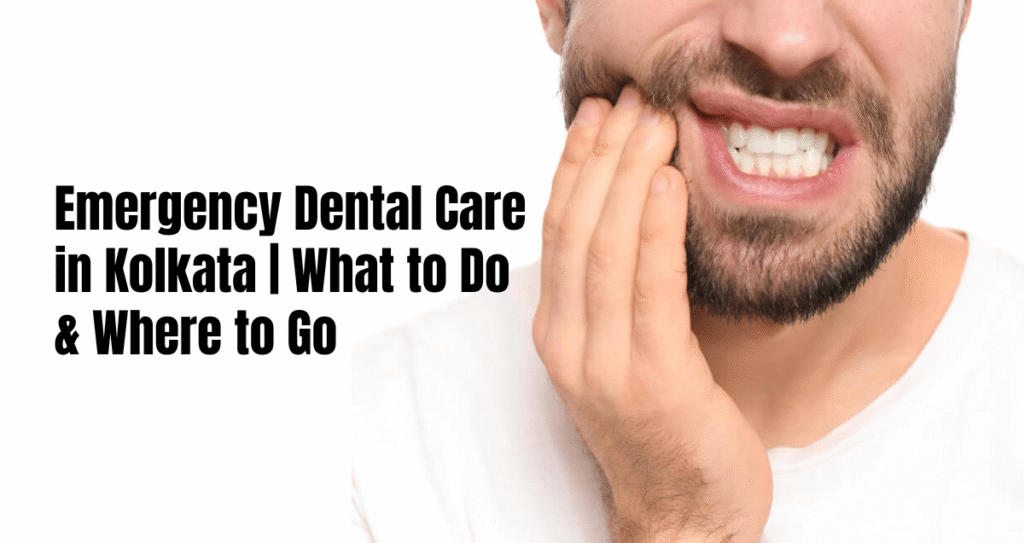
Emergency Dental Care in Kolkata: What to Do & Where to Go Dental emergencies can happen without warning. Sudden tooth pain, swelling, bleeding gums, broken teeth, or dental injuries can cause severe discomfort and anxiety. In such situations, knowing what to do immediately and where to go for emergency dental care in Kolkata can make a significant difference. Many people delay treatment, hoping the pain will subside on its own. Unfortunately, dental emergencies rarely resolve without professional care. Delaying treatment can worsen the condition, increase pain, and lead to serious complications. This guide explains the most common dental emergencies, immediate steps to take, and why choosing the right dental clinic is crucial. What Is Considered a Dental Emergency? A dental emergency is any oral health issue that requires immediate attention to relieve pain, stop bleeding, or prevent permanent damage. Dental emergencies can affect both adults and children and often need urgent professional care. Common dental emergencies include: Severe or persistent tooth pain Swelling of gums, face, or jaw Dental abscess or pus discharge Broken, chipped, or knocked-out tooth Bleeding that does not stop Trauma or injury to the mouth Sudden pain after dental treatment If left untreated, these conditions can quickly become more serious. Common Dental Emergencies Seen in Kolkata 1. Severe Tooth Pain or Toothache Sudden, intense tooth pain is one of the most common reasons people seek emergency dental care in Kolkata. Tooth pain often indicates deep decay, nerve infection, or abscess formation. Pain that: Wakes you up at night Increases while chewing Is accompanied by swelling or fever should never be ignored. Immediate dental evaluation helps relieve pain and prevent infection from spreading. 2. Dental Abscess or Swelling A dental abscess is a pocket of infection caused by untreated decay or gum disease. It can lead to severe pain, swelling, fever, and difficulty opening the mouth. Swelling of the face or gums is a serious sign. Infections can spread beyond the mouth if not treated urgently. This condition requires prompt care from an emergency dentist in Kolkata. 3. Broken, Chipped, or Cracked Tooth Accidents, falls, or biting on hard objects can cause teeth to break or crack. Even if the tooth does not hurt immediately, internal damage may exist. A broken tooth can: Expose the nerve Cause sharp pain Lead to infection Emergency dental treatment helps save the tooth and restore function. 4. Knocked-Out Tooth (Dental Trauma) A knocked-out tooth is one of the most urgent dental emergencies. Immediate action can sometimes save the tooth. What to do immediately: Handle the tooth by the crown, not the root Rinse gently with clean water if dirty Place the tooth in milk or saline Visit an emergency dental clinic immediately Time is critical in such cases. 5. Bleeding Gums or Oral Injuries Excessive bleeding after injury, extraction, or trauma should not be ignored. Continuous bleeding may indicate tissue damage or underlying issues that require urgent care. 6. Child Dental Emergencies Children may experience dental emergencies such as falls, broken teeth, severe tooth pain, or swelling. Since children may not always explain pain clearly, parents should act quickly when symptoms appear. Prompt care from a child-friendly dental clinic ensures safe and gentle treatment. What to Do During a Dental Emergency Before reaching a dental clinic, basic steps can help reduce discomfort: Rinse mouth gently with warm salt water Apply a cold compress externally for swelling Avoid chewing on the affected side Do not apply home remedies directly on gums or teeth Do not delay professional treatment These steps provide temporary relief but do not replace dental care. Learn more – Emergency Dental Care for Children in South Kolkata | What to Do Why Choosing the Right Emergency Dental Clinic in Kolkata Is Important Not all dental clinics are equipped to handle emergencies effectively. Emergency dental care requires quick diagnosis, pain management, and appropriate treatment planning. An ideal emergency dental clinic should offer: Immediate attention Pain-controlled treatment Accurate diagnosis Clear communication Safe and hygienic environment Choosing the right clinic reduces complications and ensures faster relief. Why City Smiles Dental Care Is the Go-To Place for Emergency Dental Care in Kolkata City Smiles Dental Care is trusted by patients for prompt, reliable, and compassionate emergency dental services. The clinic understands that dental emergencies are stressful and require immediate attention without delay. Every emergency case is handled with urgency, accuracy, and a patient-first approach. Located in South Kolkata, City Smiles Dental Care provides timely care for both adults and children, focusing on pain relief, infection control, and long-term dental health. Why patients choose City Smiles Dental Care during dental emergencies: Immediate attention for dental emergencies Experienced dentists trained to handle urgent cases Effective pain management and relief Child-friendly emergency care for kids Modern diagnostic and treatment facilities Clear explanation of treatment options Ethical, patient-focused approach Trusted emergency dental clinic in South Kolkata When Should You Visit City Smiles Dental Care Immediately? Visit City Smiles Dental Care without delay if you experience: Severe tooth pain lasting more than a few hours Facial or gum swelling Pus discharge or fever with dental pain Broken or knocked-out tooth Bleeding that does not stop Dental injury in a child Early intervention prevents complications and reduces treatment time. How Emergency Dental Care Prevents Bigger Problems Prompt emergency treatment: Stops pain quickly Prevents spread of infection Saves damaged teeth Reduces need for extensive procedures Protects overall health Delaying emergency dental care often leads to more complex and costly treatments. Conclusion Dental emergencies require immediate attention and the right professional care. Knowing what to do and where to go for emergency dental care in Kolkata helps reduce pain, anxiety, and long-term damage. City Smiles Dental Care stands out as a reliable and trusted destination for emergency dental treatment in South Kolkata, offering prompt care, pain relief, and ethical treatment planning when it matters most. Frequently Asked Questions 1. What is considered a dental emergency? Severe pain, swelling, infection, broken or knocked-out teeth, and uncontrolled bleeding are dental emergencies. 2.