
Are Electric Toothbrushes Safe for Kids?
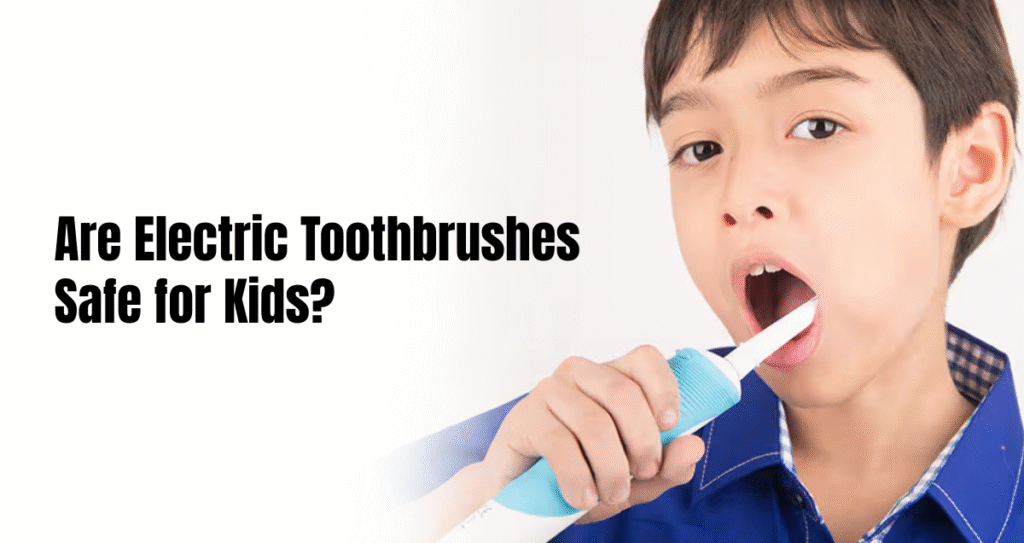
Are Electric Toothbrushes Safe for Kids? As parents become more conscious about their child’s oral health, many wonder whether switching to an electric toothbrush is a better choice than a traditional manual brush. With colorful designs and built-in timers, electric toothbrushes for children are becoming increasingly popular. However, a common concern remains: Are electric toothbrushes safe for kids? The short answer is yes—when used correctly and chosen appropriately for the child’s age. Understanding the benefits, precautions, and proper usage can help parents make an informed decision. How Do Electric Toothbrushes Work? Electric toothbrushes use powered bristle movements—either oscillating, rotating, or vibrating—to clean teeth more efficiently than manual brushing. These rapid movements help remove plaque and food particles from tooth surfaces and along the gum line. Many children find electric toothbrushes easier to use because they require less manual effort. Instead of scrubbing back and forth, the brush head does most of the work. Are Electric Toothbrushes Safe for Kids? Electric toothbrushes are generally safe for children over the age of 3, provided they are designed specifically for kids. Pediatric models are built with: Smaller brush heads Soft bristles Gentle vibration settings Easy-grip handles When supervised properly, electric toothbrushes can improve brushing effectiveness without harming teeth or gums. Benefits of Electric Toothbrushes for Kids Many parents notice improvements in brushing habits after switching to an electric toothbrush. Some key benefits include: Better Plaque Removal Electric toothbrushes often remove plaque more effectively, especially for children who struggle with proper brushing technique. Built-In Timers Most models include a two-minute timer, encouraging children to brush for the recommended duration. Increased Engagement Fun designs, lights, and sounds can motivate children to brush regularly and consistently. Easier for Young Children Children with limited hand coordination may find powered brushing easier than manual brushing. Are There Any Risks? While electric toothbrushes are safe, improper use may cause minor issues. Potential concerns include: Brushing too hard, which may irritate gums Using adult-sized brush heads Lack of supervision in younger children Choosing the correct model and teaching gentle brushing techniques eliminates most risks. At What Age Can Children Use an Electric Toothbrush? Children can start using a child-friendly electric toothbrush around age 3, but parental supervision is essential. For toddlers under 3: Manual brushing with a soft-bristled brush is recommended Parents should perform or supervise brushing For older children: Electric toothbrushes can promote independence Supervision ensures correct pressure and coverage Learn more – When Should Your Child Visit a Pediatric Dentist How to Choose the Right Electric Toothbrush for Your Child Not all electric toothbrushes are suitable for children. Parents should look for: Soft bristles Small brush head Gentle vibration setting Age-appropriate design Rechargeable battery with safe insulation Avoid adult models, as they may apply excessive force on delicate gums. Electric vs Manual Toothbrush: Which Is Better? Both manual and electric toothbrushes can effectively clean teeth when used properly. The key factor is technique and consistency. Electric toothbrushes may be especially helpful for: Children who rush brushing Kids with braces Children with limited motor skills Manual brushes remain effective when used with proper guidance and technique. Do Electric Toothbrushes Prevent Cavities? An electric toothbrush alone does not prevent cavities. Proper brushing technique, fluoride toothpaste, a balanced diet, and regular dental checkups are equally important. However, because electric toothbrushes often improve brushing consistency and coverage, they can reduce the risk of plaque buildup when used correctly. Why City Smiles Dental Care Is the Right Choice for Pediatric Dental Guidance in Kolkata At City Smiles Dental Care, we guide parents in making informed decisions about their child’s oral hygiene practices, including the safe use of electric toothbrushes. Our focus is on preventive pediatric dental care, ensuring children develop proper brushing habits from an early age. Each child’s oral health is carefully evaluated to recommend age-appropriate hygiene tools and techniques. Located in South Kolkata, the clinic provides dependable, child-friendly dental care for families. Why parents choose City Smiles Dental Care for pediatric dental care: Guidance on age-appropriate brushing habits Preventive approach to cavity prevention Gentle, child-friendly dental evaluations Clear oral hygiene instructions for parents Focus on long-term dental health Ethical and patient-first care Trusted dental clinic in South Kolkata Conclusion Electric toothbrushes are safe for kids when chosen carefully and used under supervision. They can improve brushing effectiveness, encourage better habits, and make oral hygiene more enjoyable. However, proper technique and parental guidance remain essential. Whether using manual or electric brushes, consistency and regular dental checkups are the foundation of healthy smiles. FAQs Are electric toothbrushes safe for toddlers? They are generally recommended for children above 3 years, with supervision. Can electric toothbrushes damage kids’ teeth? Not if they use soft bristles and gentle pressure. Are electric toothbrushes better than manual ones? They can improve plaque removal, but proper technique matters most. How often should the brush head be replaced? Every 3 months or sooner if bristles are worn. Can kids use adult electric toothbrushes? It is better to choose child-specific models with softer bristles. About the Author Dr. Sreejeeta Dey BDS (MCODS Mangalore), MDS (JSS Mysore) Consultant Pediatric & Preventive Dentist Co-Founder, City Smiles Dental Care — Baghajatin, Kolkata Dr. Sreejeeta Dey is a child-focused dental specialist known for her gentle approach and strong emphasis on preventive care. With advanced training in pediatric dentistry from JSS Mysore, she is experienced in managing anxious children, performing painless treatments, and promoting early oral health habits. As the Co-Founder of City Smiles Dental Care, she is dedicated to creating a safe, friendly, and positive dental experience for every child who walks through the door. At City Smile Dental Care, the focus is simple:Advanced dentistry. Zero fear. Total comfort.
Yellow Teeth in Children: Causes & Treatment Options
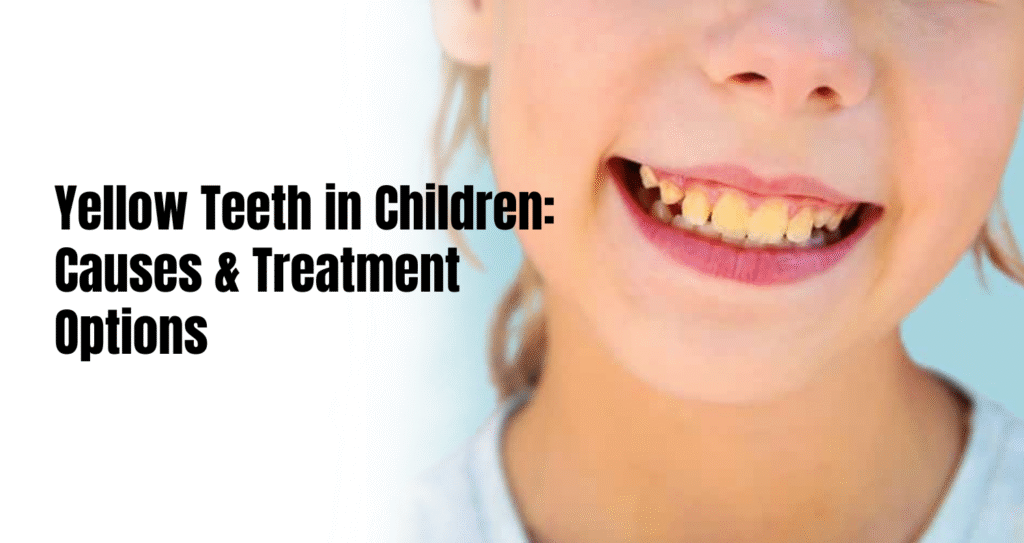
Yellow Teeth in Children: Causes & Treatment Options Noticing yellow teeth in children can be concerning for many parents. A child’s smile is often associated with bright, white baby teeth, so when permanent teeth erupt with a slightly yellow shade—or when discoloration develops over time—it naturally raises questions. Is it normal? Is it a sign of cavities? Does it require treatment? In many cases, yellow teeth in children are harmless and related to natural tooth development. However, sometimes discoloration may indicate enamel problems, poor oral hygiene, or early tooth decay. Understanding the difference is essential for making informed decisions about your child’s dental health. Why Do Children’s Teeth Appear Yellow? Before assuming a dental problem, it is important to understand that teeth are not naturally pure white. Tooth color depends on two main layers: Enamel: The outer protective layer, usually white or translucent Dentin: The inner layer, which has a natural yellow tone When enamel is thinner or more translucent, the yellowish dentin underneath becomes more visible. This is one of the most common reasons permanent teeth appear more yellow than baby teeth. Why Permanent Teeth Look More Yellow Than Baby Teeth One of the most frequent concerns arises when children begin losing baby teeth and permanent teeth erupt. Permanent teeth naturally appear: Slightly darker More yellow Larger in size This happens because permanent teeth contain more dentin and are structurally stronger. The contrast between bright white baby teeth and newly erupted permanent teeth can make the latter appear unusually yellow, even when they are perfectly healthy. This difference is normal and does not require treatment. Common Causes of Yellow Teeth in Children While some yellowing is normal, other causes may require attention. 1. Poor Oral Hygiene Inadequate brushing allows plaque to accumulate. Over time, plaque hardens into tartar (calculus), which has a yellow or brownish appearance. Children often: Rush brushing Miss back teeth Avoid brushing near gums Without supervision, these habits can quickly lead to visible discoloration. 2. Enamel Weakness or Hypoplasia Enamel hypoplasia is a condition where enamel does not form properly. When enamel is thin or weak, dentin shows through more clearly. This condition may be caused by: Premature birth Nutritional deficiencies Illness during early childhood Genetic factors Children with enamel defects are more prone to discoloration and cavities. 3. Diet and Staining Foods Frequent consumption of colored beverages and foods can stain teeth. Common staining contributors include: Artificial fruit juices Sugary drinks Colored candies Chocolate milk Though less common than in adults, staining can accumulate over time. 4. Fluorosis Excess fluoride intake during early childhood can lead to dental fluorosis. This condition may cause: White streaks Yellowish or brown patches Surface irregularities Fluorosis usually affects cosmetic appearance but does not always indicate weakness. 5. Medication Exposure Certain antibiotics taken during early tooth development may cause intrinsic discoloration. These stains are deeper within the tooth and may not respond to simple cleaning. 6. Early Tooth Decay Cavities may initially appear as yellow or brown spots before turning dark. If the area feels rough or soft, decay may be present. Early cavities are easier to treat and prevent from progressing. When Should Parents Be Concerned? Yellow teeth in children should be evaluated if: Discoloration appears suddenly Only one tooth is affected The tooth has brown or black patches Sensitivity or pain accompanies discoloration Gums are swollen or bleeding These signs may indicate infection, decay, or enamel damage requiring professional care. Are Yellow Teeth Linked to Cavities? Yes, in some cases. Early cavities may look yellow before becoming dark brown or black. Signs that discoloration may be decay include: Rough or sticky surface Visible holes or pits Complaints of pain while eating Food frequently getting stuck in the same area Professional evaluation helps distinguish stains from cavities. Psychological Impact on Children As children grow older, especially during school years, tooth color may affect self-confidence. Children may compare their teeth with peers and feel embarrassed if their smile looks different. Addressing cosmetic concerns in a safe and age-appropriate manner helps maintain confidence without unnecessary interventions. Treatment Options for Yellow Teeth in Children Treatment depends entirely on the underlying cause. Professional Dental Cleaning If plaque and tartar buildup are responsible, professional cleaning can significantly improve appearance. This is safe and effective. Fluoride Application Fluoride treatments strengthen enamel and protect against further discoloration or decay. Polishing and Minor Cosmetic Procedures In certain cases, mild polishing may reduce superficial stains. Dietary and Oral Hygiene Improvements Improving brushing technique and limiting sugary drinks often results in noticeable improvement within weeks. Whitening (With Caution) Teeth whitening is generally not recommended for young children. For teenagers with permanent teeth, options may be discussed under strict professional supervision. How Parents Can Prevent Yellow Teeth in Children Prevention plays a major role in maintaining healthy tooth color. Parents should: Supervise brushing until at least age 7–8 Use age-appropriate fluoride toothpaste Encourage brushing twice daily Limit sugary and colored beverages Schedule regular dental checkups Consistency is more important than perfection. Small daily habits lead to long-term dental health. Why City Smiles Dental Care Is the Right Choice for Children’s Dental Care in Kolkata At City Smiles Dental Care, we understand that concerns about yellow teeth in children can cause anxiety for parents. Our approach focuses on identifying whether discoloration is part of natural development, hygiene-related, or associated with enamel or cavity issues. Each child receives a careful evaluation to determine the safest and most appropriate treatment plan. Located in South Kolkata, the clinic provides dependable, preventive-focused, and child-friendly dental care tailored to growing smiles. Why parents choose City Smiles Dental Care for pediatric dental concerns: Thorough assessment of tooth discoloration Early detection of cavities and enamel problems Preventive and minimally invasive approach Guidance on brushing and diet habits Gentle and comfortable treatment environment Transparent treatment planning Trusted dental clinic in South Kolkata Conclusion Yellow teeth in children are not always a cause for concern. In many cases, they are a natural result of permanent tooth eruption or minor
Baby Teeth Grinding at Night: Should Parents Worry?
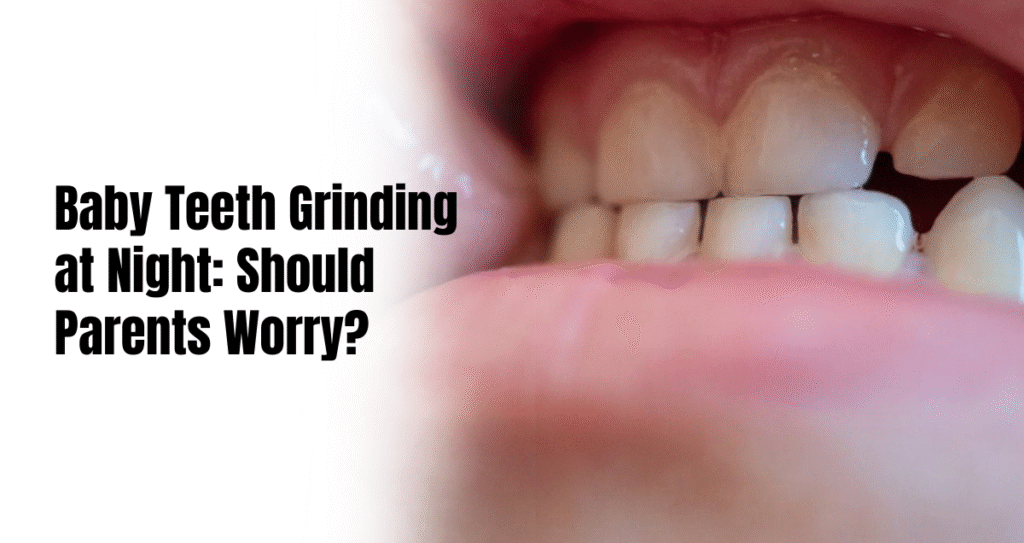
Baby Teeth Grinding at Night: Should Parents Be Concerned? Many parents become anxious the first time they hear a grinding or scraping sound coming from their child’s room at night. The sound can be surprisingly loud and unsettling. Baby teeth grinding at night, medically known as bruxism in kids, is a fairly common condition, especially among toddlers and preschool-aged children. While in many cases it is harmless and temporary, persistent teeth grinding in children can sometimes indicate underlying issues related to dental alignment, jaw development, or emotional stress. Understanding why it happens and when intervention is necessary can help parents make informed decisions without unnecessary worry. What Is Baby Teeth Grinding? Teeth grinding, or bruxism, occurs when a child clenches or rubs their upper and lower teeth together unconsciously, most often during sleep. Some children also grind their teeth while awake, especially when concentrating or feeling stressed. In children, this habit typically begins between ages 2 and 4, often coinciding with: Eruption of new baby teeth Changes in bite alignment Developmental milestones Because baby teeth have thinner enamel compared to adult teeth, parents often worry that grinding will quickly cause damage. However, mild grinding usually does not result in serious harm. Why Do Children Grind Their Teeth at Night? There is no single cause of baby teeth grinding at night. Instead, it is usually a combination of developmental and behavioral factors. Natural Growth and Bite Adjustment As baby teeth erupt and jaws grow, the bite constantly changes. Grinding may simply be the body’s way of adjusting the position of teeth. Teething Discomfort When new teeth are erupting, mild irritation in the gums can lead children to grind for relief. Stress or Emotional Changes Even young children experience stress. Changes in routine, starting school, sibling rivalry, or sleep disturbances may contribute to bruxism in kids. Sleep Issues Children with disrupted sleep patterns or mild airway concerns may grind their teeth during lighter sleep stages. Hyperactivity or Active Personalities Some highly active children show a higher tendency toward nighttime grinding. Often, baby teeth grinding at night has no serious medical cause and gradually reduces as the child grows. Is Teeth Grinding Normal in Young Children? In most cases, yes. Occasional grinding in toddlers is considered a normal developmental phase. Many children naturally stop grinding by the age of 6, especially as permanent teeth begin to emerge. If grinding: Is mild Does not cause pain Does not damage teeth Does not disturb sleep then observation and routine dental monitoring are usually sufficient. Potential Effects of Teeth Grinding in Children While mild bruxism may not be harmful, prolonged or aggressive grinding can affect oral health. Possible consequences include: Flattened or worn-down tooth surfaces Increased tooth sensitivity Jaw muscle soreness Headaches upon waking Minor cracks or chipping in severe cases If left unchecked over time, grinding may contribute to bite irregularities or jaw discomfort. When Should Parents Be Concerned? Parents should not panic at the first grinding sound, but certain signs indicate that professional evaluation is necessary. Seek dental advice if: Grinding is loud and occurs every night The child complains of jaw pain or facial soreness Morning headaches are frequent Teeth appear flattened or chipped The child has difficulty chewing Grinding continues beyond age 6 or 7 Persistent child grinding teeth while sleeping may suggest bite alignment issues that benefit from early evaluation. Can Baby Teeth Grinding Affect Permanent Teeth? Most children outgrow bruxism before permanent teeth fully erupt. However, if grinding continues into the mixed dentition stage (when both baby and permanent teeth are present), it may influence how permanent teeth align. Early monitoring helps ensure that jaw growth and tooth eruption remain on track. How Is Teeth Grinding Treated in Children? Treatment depends on severity and underlying causes. Mild Cases Monitoring during regular dental visits Encouraging stress reduction Improving bedtime routines Moderate Cases Bite assessment Addressing airway or sleep concerns Behavioral guidance Severe Cases Custom night guards (usually for older children) Early orthodontic intervention if required Every child requires individualized evaluation before deciding on treatment. Why City Smiles Dental Care Is the Right Choice for Managing Teeth Grinding in Kolkata At City Smiles Dental Care, we understand that hearing your child grind their teeth at night can be concerning. Our focus is on carefully evaluating whether baby teeth grinding at night is a temporary developmental phase or linked to bite alignment or jaw growth issues. Each child undergoes a detailed assessment to monitor tooth wear, jaw development, and overall oral health. Located in South Kolkata, the clinic provides dependable and child-friendly dental care designed to protect growing smiles. Why parents choose City Smiles Dental Care for child dental concerns: Early assessment of bruxism in children Monitoring jaw growth and teeth alignment Preventive approach to long-term dental problems Gentle, child-friendly examination methods Clear communication and guidance for parents Ethical and patient-first treatment planning Trusted dental clinic in South Kolkata Conclusion Baby teeth grinding at night is common and often part of normal growth and development. In many children, it resolves naturally without causing harm. However, persistent or severe grinding can lead to tooth wear, jaw discomfort, or bite problems. Observing symptoms carefully and seeking professional guidance when needed ensures healthy dental development and peace of mind for parents. FAQs Is baby teeth grinding at night dangerous? In most cases, it is harmless and temporary. Severe or persistent grinding should be evaluated. At what age do children stop grinding their teeth? Many children stop naturally by age 6. Can stress cause teeth grinding in children? Yes, emotional stress can contribute to bruxism. Does my child need a night guard? Night guards are usually recommended only for older children with significant tooth wear. Can teeth grinding affect jaw growth? Persistent grinding may influence jaw development and should be monitored. About the Author Dr. Sreejeeta Dey BDS (MCODS Mangalore), MDS (JSS Mysore) Consultant Pediatric & Preventive Dentist Co-Founder, City Smiles Dental Care — Baghajatin, Kolkata Dr. Sreejeeta Dey is a child-focused dental specialist known for
Mouth Breathing in Children: Dental & Facial Effects
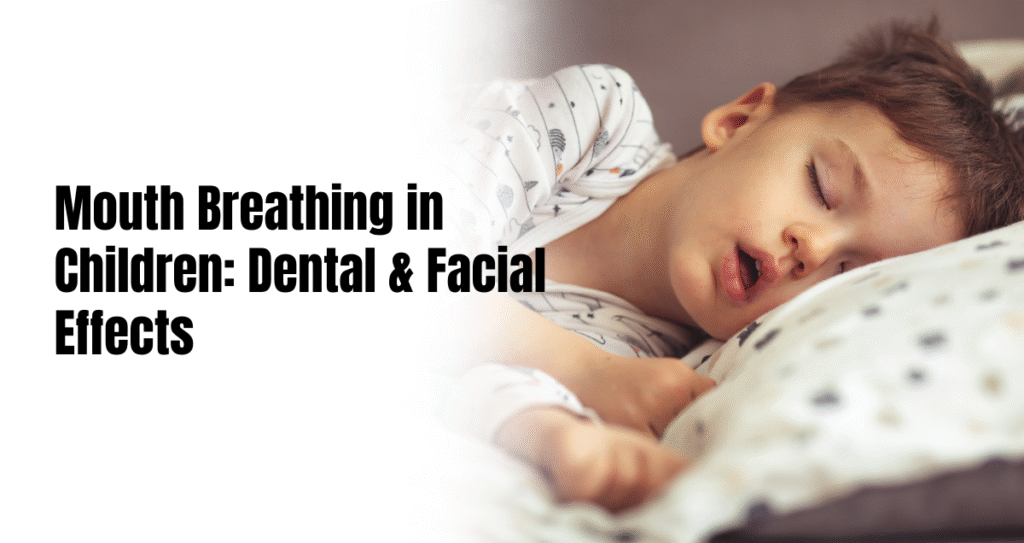
Mouth Breathing in Children: Dental & Facial Effects Many children breathe through their mouth occasionally, especially during a cold or blocked nose. However, when mouth breathing becomes a regular habit—during the day or while sleeping—it can quietly affect a child’s oral health and facial development. Parents often overlook mouth breathing because it does not always cause pain. Yet, persistent mouth breathing in children is more than just a habit; it can influence how teeth align, how jaws grow, and even how the face develops over time. What Is Mouth Breathing? Mouth breathing occurs when a child breathes primarily through the mouth instead of the nose. While temporary mouth breathing due to nasal congestion is normal, chronic mouth breathing is a concern. In healthy breathing, air passes through the nose, where it is filtered, warmed, and humidified. Breathing through the mouth bypasses this natural process and can disrupt normal oral and facial development in growing children. Why Do Children Develop Mouth Breathing Habits? Several factors can lead to mouth breathing in children. In some cases, it begins due to physical blockage of the nasal airway, while in others it becomes a learned habit. Common causes include: Chronic nasal congestion or allergies Enlarged adenoids or tonsils Deviated nasal septum Frequent upper respiratory infections Habitual breathing pattern developed early If the underlying cause is not addressed, mouth breathing may continue even after the initial problem resolves. How Mouth Breathing Affects Oral Health Breathing through the mouth dries out oral tissues and changes tongue and jaw positioning. Saliva, which naturally protects teeth, is reduced when the mouth remains open for long periods. This can lead to: Increased risk of tooth decay Gum inflammation and irritation Dry mouth and bad breath Higher chances of cavities Over time, these oral changes create an environment that affects both dental health and alignment. Dental Effects of Mouth Breathing in Children Chronic mouth breathing alters the natural balance of muscles in the face and mouth. The tongue often rests lower than normal, and lips remain open, which affects how teeth erupt and align. Common dental effects include: Crowding or misalignment of teeth Open bite (upper and lower teeth do not meet) Protruding front teeth Narrow upper jaw These changes often worsen as permanent teeth begin to erupt. Facial Effects of Mouth Breathing Facial development in children is closely linked to breathing patterns. Long-term mouth breathing can influence how facial bones grow. Possible facial effects include: Long or narrow facial appearance Poor chin development Flattened mid-face Dark circles under the eyes These changes may become more noticeable with age if the habit continues untreated. Signs Parents Should Watch For Parents may not always notice mouth breathing during the day, but nighttime signs are often more obvious. Warning signs include: Sleeping with mouth open Snoring or noisy breathing Dry lips or mouth upon waking Daytime fatigue or poor concentration Frequent dental issues despite good hygiene If several of these signs are present, evaluation is recommended. Is Mouth Breathing Always Harmful? Occasional mouth breathing due to a cold or allergy is not harmful. However, persistent mouth breathing over months or years can affect dental and facial development. Early identification allows for correction before permanent changes occur. When Should Parents Seek Professional Advice? Parents should consider professional evaluation if: Mouth breathing continues beyond early childhood Teeth alignment changes are noticeable Facial growth appears uneven The child snores regularly or sleeps poorly A combined medical and dental approach is often helpful in identifying and managing the cause. Why City Smiles Dental Care Is the Right Choice for Mouth Breathing Concerns in Kolkata At City Smiles Dental Care, we understand that habits like mouth breathing can have long-term effects on a child’s dental and facial development. Our focus is on early identification of dental changes related to breathing patterns and guiding parents with preventive and corrective care. Each child is carefully evaluated to assess teeth alignment, jaw development, and oral health. Located in South Kolkata, the clinic provides dependable, child-focused dental care for families. Why parents choose City Smiles Dental Care for child dental concerns: Early assessment of dental and jaw development Evaluation of oral habits affecting teeth alignment Preventive approach to orthodontic problems Clear guidance for parents and caregivers Gentle, child-friendly dental care Ethical and patient-first treatment approach Trusted dental clinic in South Kolkata Conclusion Mouth breathing in children is often overlooked, but its effects on dental health and facial growth can be significant if left unaddressed. While temporary mouth breathing is normal, persistent habits may lead to long-term alignment and developmental issues. Early awareness and timely professional guidance help ensure healthy oral development and confident smiles as children grow. FAQs Is mouth breathing normal in children? Occasional mouth breathing is normal, but persistent mouth breathing is not. Can mouth breathing affect teeth alignment? Yes, it can lead to misalignment, open bite, and jaw development issues. Does mouth breathing affect facial appearance? Chronic mouth breathing may influence facial growth over time. At what age should mouth breathing be evaluated? If it continues beyond early childhood or affects sleep and teeth, evaluation is advised. Can mouth breathing be corrected? Yes, early identification and appropriate care can help correct the habit and prevent complications. About the Author Dr. Sreejeeta Dey BDS (MCODS Mangalore), MDS (JSS Mysore) Consultant Pediatric & Preventive Dentist Co-Founder, City Smiles Dental Care — Baghajatin, Kolkata Dr. Sreejeeta Dey is a child-focused dental specialist known for her gentle approach and strong emphasis on preventive care. With advanced training in pediatric dentistry from JSS Mysore, she is experienced in managing anxious children, performing painless treatments, and promoting early oral health habits. As the Co-Founder of City Smiles Dental Care, she is dedicated to creating a safe, friendly, and positive dental experience for every child who walks through the door. At City Smile Dental Care, the focus is simple:Advanced dentistry. Zero fear. Total comfort.
Thumb Sucking & Teeth Alignment: When Parents Should Intervene
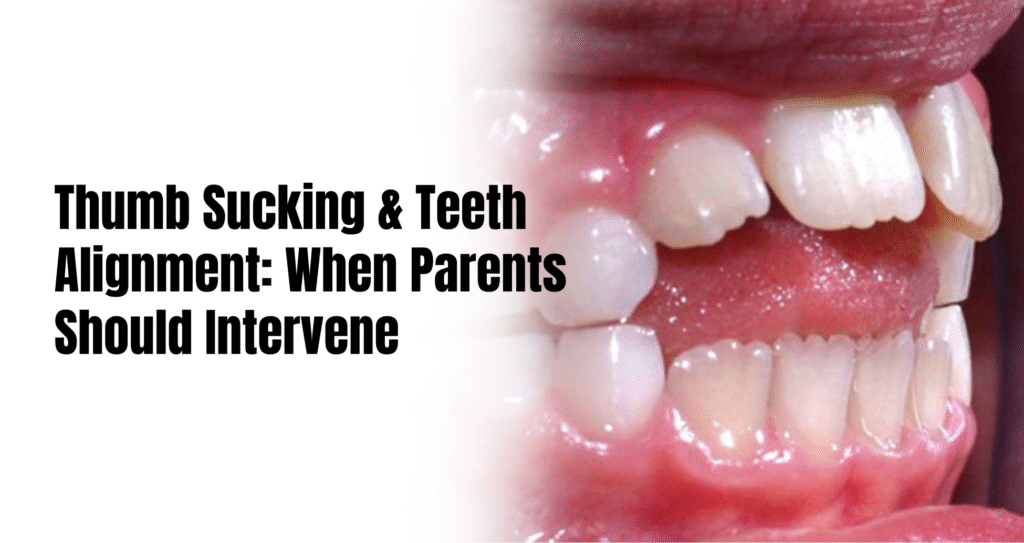
Thumb Sucking and Teeth Alignment: When Parents Should Intervene Thumb sucking is a natural and self-soothing habit seen in many babies and young children. It often helps infants feel secure and calm, especially during sleep or unfamiliar situations. While this behavior is completely normal in early childhood, prolonged thumb sucking can affect a child’s dental development and teeth alignment over time. For parents, the challenge lies in knowing when thumb sucking is harmless and when it begins to cause dental problems. Understanding the impact of this habit can help parents intervene at the right time—without stress or unnecessary pressure on the child. Why Do Children Suck Their Thumb? Thumb sucking begins naturally in infancy, sometimes even before birth. Babies use it as a comforting mechanism that helps them relax, fall asleep, or cope with anxiety. As children grow, most gradually stop the habit on their own. However, some children continue thumb sucking beyond toddler years due to emotional comfort, habit formation, or stress. When the habit persists for too long, it can start affecting oral structures. Is Thumb Sucking Normal? Thumb sucking is considered normal and harmless during the early years of life. In most cases, children stop naturally between the ages of 2 to 4 years. At this stage: Baby teeth are still developing Jaw bones are flexible Permanent teeth have not yet erupted Occasional thumb sucking during this period rarely causes long-term dental issues. How Thumb Sucking Affects Teeth Alignment When thumb sucking continues beyond early childhood, constant pressure is applied to the teeth and jaw. Over time, this pressure can interfere with normal dental development. Common dental effects include: Forward movement of upper front teeth Open bite (gap between upper and lower teeth) Narrowing of the upper jaw Misalignment of permanent teeth Speech issues related to tongue placement The severity depends on how long, how often, and how intensely the child sucks their thumb. When Does Thumb Sucking Become a Problem? Thumb sucking becomes a concern when it continues after the age of 4–5 years, especially as permanent teeth begin to erupt. At this stage, the jaw becomes less flexible, and changes in alignment are more likely to persist. Parents should pay attention if: The habit continues daily beyond preschool age Teeth appear to be shifting or protruding There is difficulty in closing the mouth properly Speech changes or lisps develop Early observation helps prevent more complex orthodontic issues later. When Parents Should Intervene Intervention should be gentle, supportive, and age-appropriate. Harsh discipline or punishment can increase anxiety and reinforce the habit. Parents should consider intervention when: The child is over 4 years old Permanent teeth are beginning to erupt Visible teeth alignment changes appear Thumb sucking occurs frequently and intensely Positive reinforcement, encouragement, and addressing emotional triggers are usually more effective than forceful methods. Learn more – Early Orthodontic Signs Parents Should Watch in Kids Healthy Ways to Help Children Stop Thumb Sucking Parents can guide children out of the habit using calm and reassuring strategies: Praise the child for not thumb sucking Identify triggers like stress or boredom Offer comfort in alternative ways Use reminder methods rather than punishment Encourage the child’s involvement in stopping In some cases, professional guidance may be helpful if the habit is persistent. Can Thumb Sucking Cause Permanent Damage? If thumb sucking stops before permanent teeth erupt, most dental changes correct themselves naturally. However, prolonged habits can lead to alignment issues that may require orthodontic treatment later. Early dental assessment helps determine whether changes are temporary or need intervention. Why City Smiles Dental Care Is the Right Choice for Thumb Sucking Concerns in Kolkata At City Smiles Dental Care, we understand how oral habits like thumb sucking can affect a child’s dental development. Our focus is on early evaluation of teeth alignment, identifying habit-related changes, and guiding parents with practical, child-friendly solutions. Each child is carefully assessed to determine whether intervention is necessary or natural correction is expected. Located in South Kolkata, the clinic provides dependable dental care for children and families. Why parents choose City Smiles Dental Care for child dental concerns: Early assessment of teeth alignment and oral habits Gentle, child-friendly dental evaluations Clear guidance for parents on habit correction Preventive approach to orthodontic issues Ethical and patient-first dental care Comfortable environment for children Trusted dental clinic in South Kolkata Conclusion Thumb sucking is a normal part of early childhood, but when the habit continues beyond a certain age, it can affect teeth alignment and jaw development. Knowing when to observe and when to intervene helps parents protect their child’s oral health without unnecessary stress. Early awareness and timely dental guidance can prevent long-term dental and orthodontic problems. FAQs Until what age is thumb sucking considered normal? Thumb sucking is usually normal up to 3–4 years of age. Can thumb sucking permanently damage teeth? If the habit stops early, damage is usually reversible. Prolonged habits may cause lasting alignment issues. Should parents force children to stop thumb sucking? No. Gentle encouragement works better than force or punishment. Does every child who sucks their thumb need braces later? Not necessarily. Early habit correction often prevents orthodontic problems. When should parents consult a dentist about thumb sucking? If the habit continues beyond age 4–5 or teeth alignment changes are visible. About the Author Dr. Sreejeeta Dey BDS (MCODS Mangalore), MDS (JSS Mysore) Consultant Pediatric & Preventive Dentist Co-Founder, City Smiles Dental Care — Baghajatin, Kolkata Dr. Sreejeeta Dey is a child-focused dental specialist known for her gentle approach and strong emphasis on preventive care. With advanced training in pediatric dentistry from JSS Mysore, she is experienced in managing anxious children, performing painless treatments, and promoting early oral health habits. As the Co-Founder of City Smiles Dental Care, she is dedicated to creating a safe, friendly, and positive dental experience for every child who walks through the door. At City Smile Dental Care, the focus is simple:Advanced dentistry. Zero fear. Total comfort.
Teething Problems in Babies: What’s Normal & What’s Not
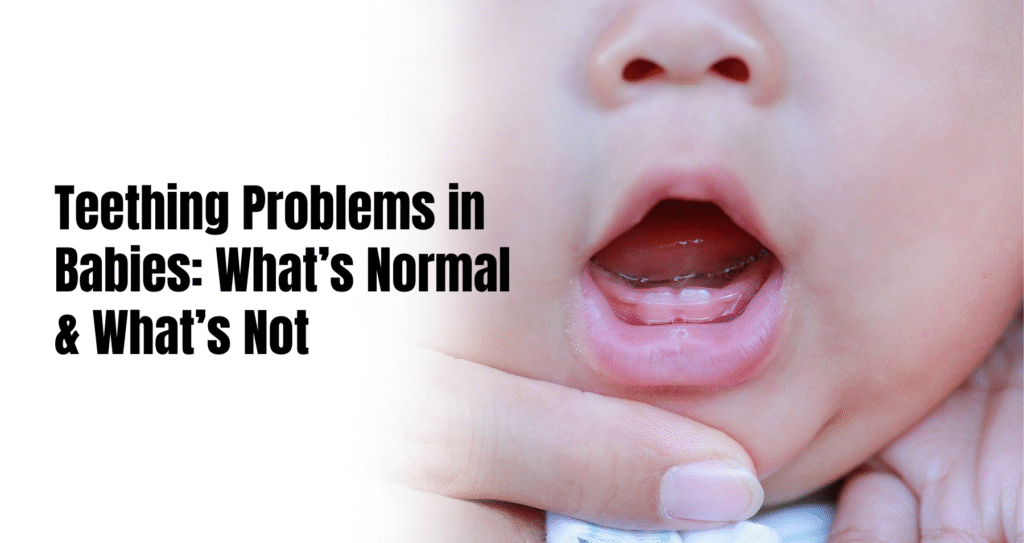
Teething Problems in Babies: What’s Normal & What’s Not Teething is one of the earliest developmental milestones in a baby’s life—and also one of the most confusing stages for parents. As the first teeth begin to erupt, babies may become irritable, drool excessively, or experience disturbed sleep. While many of these signs are completely normal, others are often incorrectly blamed on teething. Understanding teething problems in babies, knowing what symptoms are normal, and recognizing warning signs that need attention can help parents care for their child with confidence and avoid unnecessary anxiety. What Is Teething? Teething is the process by which a baby’s primary (milk) teeth break through the gums. This usually begins around 6 months of age, though it can start earlier or later depending on the child. By the age of three, most children develop all 20 baby teeth. As teeth push upward through the gum tissue, they cause pressure and mild inflammation. This is what leads to most teething-related discomfort. Normal Teething Symptoms in Babies Most teething symptoms are mild, temporary, and harmless. These signs usually appear a few days before a tooth erupts and settle soon after. Common normal teething symptoms include: Increased drooling Swollen or slightly red gums Chewing or biting on fingers or toys Mild fussiness or irritability Slight rise in body temperature (not fever) Temporary changes in sleep patterns These symptoms vary from baby to baby. Some infants show very few signs, while others may appear more uncomfortable. How Long Do Teething Problems Last? Teething discomfort usually lasts a few days before and after a tooth erupts. It does not continue continuously for weeks. If symptoms persist for a long period or worsen, teething may not be the cause. It is also normal for teething symptoms to come and go as different teeth erupt over time. Teething Symptoms That Are NOT Normal Many parents assume that every problem during infancy is caused by teething. However, several symptoms are not associated with teething and should never be ignored. These include: High fever (above 38°C / 100.4°F) Diarrhea or vomiting Severe or spreading skin rashes Persistent crying or extreme discomfort Refusal to eat or drink for long periods Cold, cough, or signs of infection These symptoms may indicate illness or infection and require medical evaluation rather than teething remedies. Common Myths About Teething Problems Myth: Teething causes high fever Teething may cause mild gum inflammation but does not cause high fever. Myth: Diarrhea is normal during teething Digestive issues are not caused by teething and should be assessed separately. Myth: Teething always causes severe pain Most babies experience mild discomfort, not intense or prolonged pain. Believing these myths can delay proper medical or dental care. Safe Ways to Relieve Teething Pain in Babies Parents can safely comfort babies during teething using gentle methods: Gently massaging gums with a clean finger Offering clean, chilled (not frozen) teething rings Allowing babies to chew on a clean, damp cloth Keeping the mouth clean even before teeth appear Avoid unapproved teething gels, home remedies, or medications without professional advice, as some can be harmful to infants. When Should Parents Seek Dental Advice? Parents should consider a dental evaluation if: Teething discomfort seems excessive Teeth appear delayed, discolored, or malformed Gums look severely swollen or infected Baby shows signs of oral pain beyond teething Early dental guidance helps ensure proper tooth development and reassures parents. Importance of Early Dental Care for Babies Baby teeth play a vital role in chewing, speech development, and guiding permanent teeth into correct positions. Poor oral health during infancy can lead to cavities, infections, and alignment issues later in life. Early dental care focuses on prevention, parental education, and healthy oral habits from the very beginning. Learn more – Diet & Dental Health: What Kolkata Parents Should Avoid Giving Their Kids Why City Smiles Dental Care Is the Right Choice for Baby Dental Care in Kolkata At City Smiles Dental Care, we understand how concerning teething problems in babies can be for parents. Our focus is on identifying whether symptoms are part of normal development or signs of an underlying issue, while providing clear guidance and reassurance. Every child is carefully evaluated to ensure oral comfort, healthy tooth eruption, and proper early dental development. Located in South Kolkata, the clinic offers dependable dental care for infants, children, and families. Why parents choose City Smiles Dental Care for baby dental care: Gentle evaluation for infant oral concerns Clear guidance on normal vs abnormal teething symptoms Focus on preventive and early dental care Child-friendly and calm treatment approach Transparent communication with parents Ethical, patient-first dental care Trusted dental clinic in South Kolkata Conclusion Teething is a natural and important phase of a baby’s development, and most teething-related symptoms are mild and temporary. However, not every symptom during infancy should be attributed to teething. Knowing what is normal and what is not helps parents provide appropriate care, avoid unnecessary worry, and seek professional guidance when required. Early awareness and dental support lay the foundation for lifelong oral health. FAQs At what age does teething usually start? Most babies begin teething around 6 months, though timing varies. Can teething cause fever in babies? Teething may cause mild gum discomfort but does not cause high fever. Is excessive drooling always a sign of teething? Drooling is common but can also be part of normal development. Are teething gels safe for babies? Many are not recommended. Always consult a dental professional first. When should a baby first see a dentist? By the first birthday or when the first tooth erupts. About the Author Dr. Sreejeeta Dey BDS (MCODS Mangalore), MDS (JSS Mysore) Consultant Pediatric & Preventive Dentist Co-Founder, City Smiles Dental Care — Baghajatin, Kolkata Dr. Sreejeeta Dey is a child-focused dental specialist known for her gentle approach and strong emphasis on preventive care. With advanced training in pediatric dentistry from JSS Mysore, she is experienced in managing anxious children, performing painless treatments, and promoting early oral health habits. As
Child Tooth Pain: Common Causes & When to Visit a Dentist in Kolkata
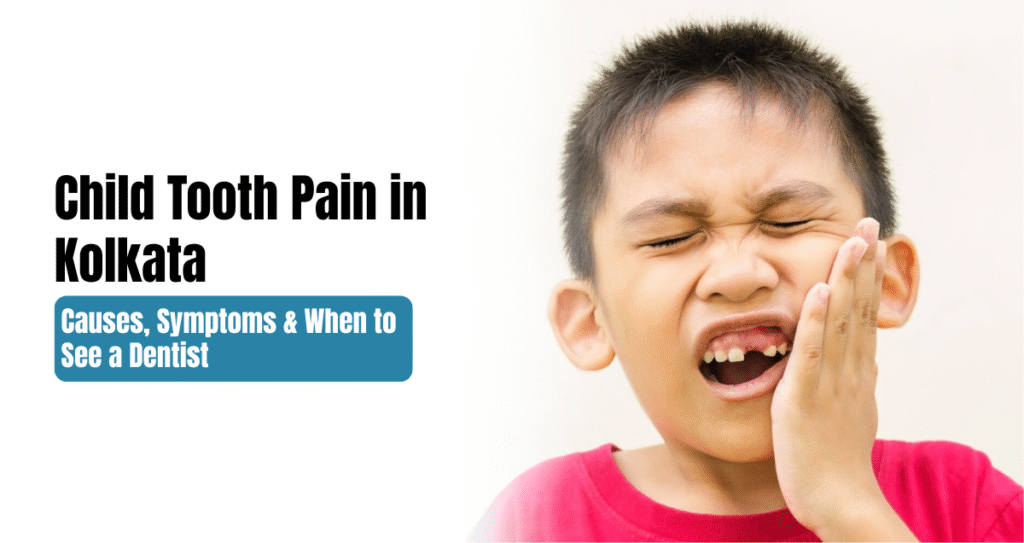
Child Tooth Pain: Common Causes & When to Visit a Dentist in Kolkata Child tooth pain is one of the most common reasons parents seek emergency dental care. In Kolkata, where children are frequently exposed to sugary foods, packaged snacks, and irregular brushing habits, tooth pain can start at a very young age. Many parents feel confused or anxious when their child complains of tooth pain, especially when the child cannot clearly explain where or how it hurts. Ignoring tooth pain in children is risky. What starts as mild discomfort can quickly turn into severe infection, swelling, or difficulty eating and sleeping. Understanding the common causes of child tooth pain and knowing when to visit a dentist in Kolkata can help parents take timely and effective action. This guide explains child tooth pain in simple terms so parents can respond correctly and protect their child’s oral health. Why Child Tooth Pain Should Never Be Ignored Children often have a lower pain tolerance than adults, and dental pain can affect their mood, sleep, appetite, and school performance. Tooth pain is usually a sign that something is wrong inside the tooth, gum, or jaw. Because baby teeth have thinner enamel, problems progress faster than in adult teeth. In many cases, delaying treatment makes the problem more serious and costly. Early consultation with a pediatric dentist in Kolkata helps prevent complications and ensures your child receives gentle, age-appropriate care. Common Causes of Child Tooth Pain in Kolkata Understanding the cause of pain helps parents know how urgent the situation is. 1. Tooth Decay (Cavities) – The Most Common Cause of Child Tooth Pain Cavities are the leading cause of child tooth pain in Kolkata. Frequent consumption of sweets, chocolates, juices, biscuits, and sticky snacks allows bacteria to damage the tooth enamel. As decay deepens, it reaches the inner layers of the tooth, causing sensitivity and pain. Signs to watch for: Pain while eating sweets or cold foods Brown or black spots on teeth Food getting stuck frequently Bad breath Crying during meals If your child complains of pain while chewing or avoids eating on one side, a cavity may be the cause. Early treatment can often prevent the need for extensive procedures. 2. Teething Pain in Babies and Toddlers Teething is a natural process, but it can cause discomfort and irritability. As new teeth push through the gums, children may experience soreness, swelling, and mild pain. Common teething symptoms include: Drooling Swollen gums Irritability Biting objects Disturbed sleep Teething pain is usually temporary. However, if pain seems severe, lasts too long, or is accompanied by fever or swelling, a child dentist in South Kolkata should evaluate the situation to rule out infection. 3. Gum Infection or Inflammation Gum problems are not limited to adults. Children can develop gum infections due to poor oral hygiene or plaque buildup. Symptoms of gum-related tooth pain: Red or swollen gums Bleeding while brushing Pain near the gumline Persistent bad breath Gum infections can spread if untreated and may cause pain that feels like toothache. Professional cleaning and improved brushing habits usually resolve the problem when caught early. 4. Dental Trauma or Injury Children are active, and falls during play or sports are common. A blow to the mouth can injure teeth even if there is no visible crack. Dental trauma may cause: Sudden tooth pain Chipped or cracked teeth Tooth turning dark Sensitivity to temperature Even minor injuries should be checked by a dentist. Internal damage may not be visible but can cause long-term pain or infection if ignored. 5. Tooth Sensitivity in Children Some children experience sensitivity when eating cold, hot, or sweet foods. This may be due to enamel erosion, early decay, or grinding of teeth. If sensitivity is occasional, it may not be serious. But frequent or worsening sensitivity requires evaluation by a pediatric dentist in Kolkata to identify the underlying cause and prevent progression. 6. Erupting Permanent Teeth As permanent teeth erupt, they put pressure on surrounding tissues, which can cause mild discomfort. This is common around ages 6–7 and again during early teenage years. Pain from erupting teeth is usually mild and temporary. However, severe pain, swelling, or delayed eruption should be examined by a dentist. 7. Abscess or Dental Infection (Dental Emergency) A dental abscess is a serious condition caused by untreated decay or infection. It is one of the most dangerous causes of child tooth pain. Warning signs include: Severe, constant pain Swelling of face or gums Fever Pus discharge Difficulty opening mouth This condition requires immediate dental attention. Delaying treatment can lead to serious health complications. When Should Parents Visit a Dentist in Kolkata for Child Tooth Pain? Parents should not wait for pain to worsen. Visit a dentist immediately if: Tooth pain lasts more than one day Pain disturbs sleep Swelling appears on face or gums Child avoids eating Fever accompanies tooth pain Tooth changes color Injury to mouth or teeth occurs For these situations, consulting a pediatric dentist in Kolkata ensures accurate diagnosis and child-friendly treatment. What to Do at Home Before Visiting the Dentist While waiting for a dental appointment, parents can take basic steps to ease discomfort: Rinse mouth with warm salt water Avoid very hot, cold, or sugary foods Maintain gentle brushing Use cold compress externally for swelling Do not apply home remedies directly on gums or give adult pain medication without dental advice. How Pediatric Dentists Treat Child Tooth Pain Treatment depends on the cause: Cavities may require fillings or pulp treatment Gum infections may need cleaning and medication Trauma may require restoration or monitoring Severe infections may need urgent care A child dentist in South Kolkata uses gentle techniques and child-safe methods to ensure comfort and reduce fear. How Parents Can Prevent Child Tooth Pain Prevention is always better than treatment. Parents should: Ensure brushing twice daily with fluoride toothpaste Limit sugary snacks and drinks Avoid bedtime milk without cleaning teeth Schedule dental checkups every 6 months Encourage water intake Address
Diet & Dental Health for Kids | Foods Kolkata Parents Should Avoid
Diet & Dental Health: What Kolkata Parents Should Avoid Giving Their Kids Diet plays a major role in a child’s dental health. What children eat daily directly affects the strength of their teeth, the risk of cavities, and overall oral hygiene. In Kolkata, children are frequently exposed to sweets, chocolates, packaged snacks, sugary drinks, and refined carbohydrates, which significantly increase the risk of tooth decay. Many parents focus on brushing and dental visits but underestimate how strongly diet influences oral health. Understanding the connection between diet and dental health for kids helps parents make smarter food choices that protect their child’s teeth and reduce dental problems in the long run. This guide explains which foods Kolkata parents should avoid giving their kids and why limiting these foods is essential for healthy teeth. How Diet Affects Children’s Dental Health When children eat foods high in sugar or refined carbohydrates, bacteria in the mouth feed on these sugars and produce acids. These acids attack the tooth enamel, gradually weakening it and leading to cavities. The more frequently a child consumes sugary or sticky foods, the longer the teeth are exposed to acid attacks. Children’s teeth are more vulnerable because baby teeth have thinner enamel compared to adult teeth. This is why diet-related dental problems appear quickly in children. A balanced diet combined with good oral hygiene is essential for maintaining strong and healthy teeth. Foods Kolkata Parents Should Avoid for Better Dental Health 1. Sugary Sweets and Chocolates Sugary sweets and chocolates are one of the biggest contributors to cavities in children. Chocolates, candies, laddoos, rasgullas, and other sweets stick to the teeth and provide food for cavity-causing bacteria. Frequent consumption of sweets, especially between meals, increases the risk of tooth decay. Parents should limit sweets to occasional treats and encourage children to rinse their mouth or brush after eating them. 2. Sticky Snacks Like Toffees and Chewing Candies Sticky foods are particularly harmful because they cling to the teeth for a long time. Toffees, caramel candies, fruit chews, chikki, and gummy snacks are difficult to remove with saliva alone. These foods stay stuck in grooves and between teeth, creating the perfect environment for bacteria to grow. Over time, this leads to cavities and tooth pain. Pediatric dentists often see severe decay linked to frequent consumption of sticky snacks. 3. Sugary Drinks and Packaged Juices Sugary drinks are one of the most overlooked causes of dental problems in children. Soft drinks, packaged fruit juices, flavored milk, and sports drinks contain high sugar levels and acids. Even drinks labeled as “healthy” may contain added sugars. Regular consumption exposes teeth to acid repeatedly throughout the day. Parents should encourage water instead of sugary drinks and limit juice intake to occasional use. 4. Biscuits, Cakes, and Bakery Items Biscuits, cakes, pastries, and muffins may not taste very sweet, but they contain refined carbohydrates that break down into sugars in the mouth. These foods also tend to get stuck between teeth. Children often eat biscuits as snacks or school tiffin items, increasing the frequency of sugar exposure. Replacing these with healthier alternatives helps reduce the risk of cavities. 5. Chips and Packaged Savory Snacks Chips, namkeen, and other packaged savory snacks are not sweet, but they are harmful to teeth. These foods break down into starches that convert into sugars and stick to teeth. Many children snack on chips multiple times a day, increasing plaque buildup. This leads to cavities and gum problems if oral hygiene is not maintained properly. 6. Frequent Snacking Throughout the Day It is not just what children eat, but how often they eat that matters. Frequent snacking gives bacteria more opportunities to produce acid. Even small amounts of sugary or starchy food consumed repeatedly can cause damage. Allowing time between meals helps saliva neutralize acids and protect teeth. Structured meal and snack times are better for dental health than constant grazing. 7. Bedtime Milk or Juice Without Brushing Giving milk or juice at bedtime without brushing afterward is a major cause of early childhood cavities. Sugars remain on the teeth overnight, when saliva flow is low. Parents should always clean the child’s teeth before bedtime and avoid feeding sugary liquids after brushing. This simple habit prevents severe dental problems in young children. What Should Parents Encourage Instead? While avoiding harmful foods is important, parents should also focus on healthy alternatives that support dental health. Encourage: Fresh fruits and vegetables Dairy products like milk, curd, and cheese Whole grains Nuts and seeds (age-appropriate) Plenty of water These foods help strengthen teeth, stimulate saliva production, and support overall health. Role of Parents in Building Healthy Eating Habits Parents play a key role in shaping a child’s diet. Children often follow eating patterns set at home. By limiting sugary snacks, offering healthier options, and explaining why certain foods are limited, parents can encourage better habits. Teaching children to rinse their mouth after eating and brushing twice daily further protects teeth from diet-related damage. When Should Parents Visit a Pediatric Dentist in Kolkata? Parents should consult a pediatric dentist if: Child develops frequent cavities Tooth pain occurs Visible white or brown spots appear on teeth Gums bleed or swell Bad breath persists A pediatric dentist in Kolkata can guide parents on diet modifications and preventive treatments such as fluoride application. Learn more – When Should Your Child First Visit A Dentist? Complete Kolkata Parents’ Guide Why Choose City Smiles Dental Care for Child Dental Guidance in Kolkata City Smiles Dental Care focuses on preventive pediatric dentistry and parent education. The clinic helps families understand how diet affects dental health and provides practical guidance tailored to children’s needs. With a child-friendly approach and emphasis on prevention, City Smiles Dental Care supports long-term oral health for kids. Why parents choose City Smiles Dental Care: Experienced pediatric dentist Strong focus on prevention and education Child-friendly and comfortable environment Personalized dietary and dental guidance Emphasis on long-term oral health Convenient South Kolkata location Conclusion Diet plays a critical
Best Dental Clinic for Kids in South Kolkata | City Smiles Dental Care
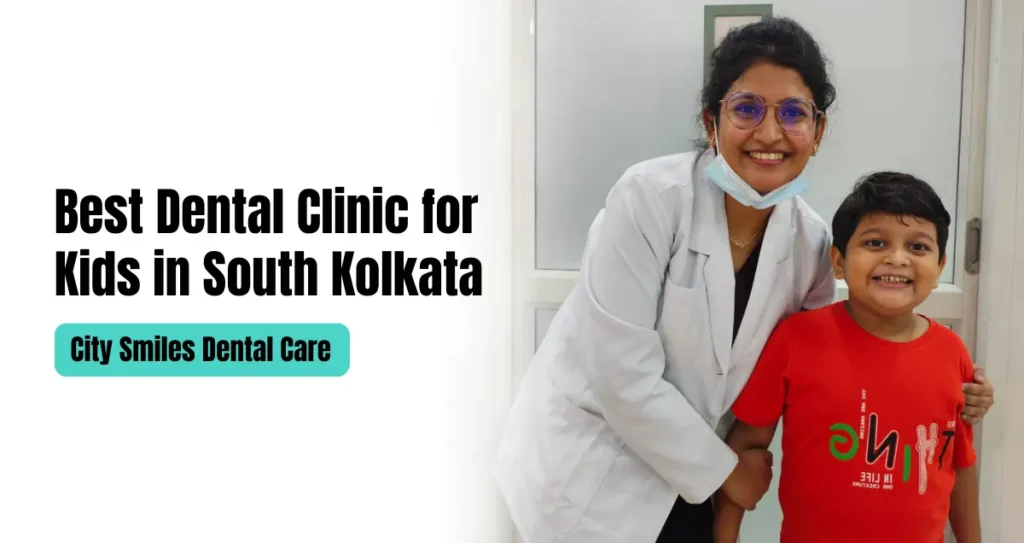
Best Dental Clinic for Kids in South Kolkata: Why the Right Choice Matters Choosing a dental clinic for your child is very different from choosing one for adults. Children need a space where they feel safe, understood, and comfortable. For parents in South Kolkata, finding the best dental clinic for kids means choosing a clinic that not only treats dental problems but also builds trust and confidence in children from an early age. A child’s early dental experiences shape their attitude toward oral health for life. A negative experience can lead to fear and avoidance, while a positive one encourages healthy habits and regular checkups. This is why parents increasingly look for a child-friendly dental clinic in South Kolkata that focuses on comfort, prevention, and gentle care. What Makes a Dental Clinic Truly Child-Friendly? Not every dental clinic that treats children is genuinely child-friendly. A clinic designed for kids goes beyond basic treatment and focuses on emotional comfort, communication, and long-term development. 1. Pediatric-Focused Dental Expertise The most important factor is the presence of a trained pediatric dentist in South Kolkata. Pediatric dentists are specially trained to understand children’s oral development, behavior, and unique dental needs. They know how to: Communicate with children at different ages Manage fear and anxiety Detect early dental and jaw development issues Provide preventive care rather than reactive treatment A clinic with pediatric expertise ensures safer, more effective care for children. 2. Child-Friendly Clinic Environment A child-friendly dental clinic feels welcoming, not intimidating. The environment plays a huge role in reducing fear. Key features include: Bright, cheerful interiors Friendly staff trained to work with children Calm and reassuring atmosphere Clean, hygienic, and safe setup When children feel relaxed in the clinic, treatment becomes easier and more effective. 3. Gentle and Pain-Managed Treatment Approach Children are naturally sensitive to discomfort. The best dental clinic for kids in South Kolkata uses gentle techniques, child-safe anesthesia, and age-appropriate tools. Pain-managed dentistry ensures: Minimal discomfort during procedures Reduced fear of future visits Better cooperation from children Gentle care builds trust and helps children feel confident about dental visits. 4. Strong Focus on Preventive Dental Care Child-friendly clinics focus more on prevention than correction. Preventive care helps avoid cavities, infections, and orthodontic issues. Preventive services include: Regular dental checkups Fluoride treatments Sealants Diet and brushing guidance for parents Early prevention reduces the need for invasive procedures later. 5. Clear Communication With Parents A good kids’ dental clinic educates parents as much as it treats children. Parents should clearly understand: What the problem is Why a treatment is needed What alternatives are available How to care for teeth at home Transparent communication builds trust and helps parents make informed decisions. 6. Ability to Handle Dental Anxiety in Children Dental fear is common in children. A child-friendly clinic uses behavior management techniques such as: Tell-show-do method Positive reinforcement Calm, reassuring communication These techniques help children feel safe and reduce anxiety over time. Why City Smiles Dental Care Is the Best Dental Clinic for Kids in South Kolkata City Smiles Dental Care has earned the trust of parents by consistently delivering gentle, ethical, and child-focused dental care. The clinic is designed to make children feel comfortable while ensuring parents feel confident about every treatment decision. With a strong emphasis on prevention, clear communication, and long-term oral health, City Smiles Dental Care goes beyond routine dentistry to create positive dental experiences for children. What makes City Smiles Dental Care the preferred choice for parents: Experienced pediatric dentist dedicated to child dental care Truly child-friendly and calm clinic environment Gentle, pain-managed treatment techniques Strong focus on preventive dentistry Clear and honest communication with parents Personalized care based on child’s age and development Emphasis on long-term dental health, not quick fixes Trusted kids’ dental clinic in South Kolkata Services Offered for Children at City Smiles Dental Care City Smiles Dental Care provides comprehensive dental care for children, including: Routine dental checkups Tooth fillings for kids Fluoride treatments Dental sealants Child tooth extraction when necessary Habit counseling (thumb sucking, mouth breathing) Early orthodontic evaluation All treatments are performed with a child-first approach. When Should Parents Visit a Kids’ Dental Clinic? Parents should bring their child to a dental clinic: By age one or when the first tooth appear Every six months for routine checkups If tooth pain, swelling, or cavities are noticed After dental injuries or falls If habits like thumb sucking persist Early visits help prevent problems and build positive dental habits. How a Child-Friendly Clinic Shapes Lifelong Dental Habits Children who visit a child-friendly dental clinic regularly: Develop less fear of dentists Maintain better oral hygiene Experience fewer dental emergencies Grow up with healthier teeth and gums This makes early dental care one of the best investments parents can make for their child’s health. Conclusion Finding the best dental clinic for kids in South Kolkata is about choosing a place that understands children, respects parents’ concerns, and focuses on long-term oral health. A truly child-friendly clinic combines expertise, empathy, prevention, and communication. City Smiles Dental Care stands out as a trusted choice for parents looking for safe, gentle, and comprehensive dental care for their children. With the right environment and expert care, dental visits become a positive experience that supports healthy smiles for life. Frequently Asked Questions (FAQs) 1. What age should a child start visiting a dental clinic? By age one or when the first tooth erupts. 2. How often should children visit a dentist? Every six months for routine checkups. 3. Is a pediatric dentist necessary for children? Yes. Pediatric dentists are trained specifically to treat children safely and comfortably. 4. Are dental treatments painful for kids? Modern pediatric dentistry focuses on gentle, pain-managed care. 5. Why is City Smiles Dental Care recommended for kids in South Kolkata? Because of its child-friendly approach, experienced pediatric dentist, preventive focus, and trusted care among parents. About the Author Dr. Sreejeeta Dey BDS (MCODS Mangalore), MDS (JSS Mysore) Consultant Pediatric & Preventive Dentist Co-Founder,
Common Myths About Pediatric Dentistry: Kolkata Edition
Common Myths About Pediatric Dentistry: Kolkata Edition Pediatric dentistry is often misunderstood, especially among first-time parents. In Kolkata, many parents rely on advice from family, friends, or outdated beliefs when it comes to their child’s dental care. Unfortunately, these myths can delay treatment, worsen dental problems, and lead to avoidable pain or long-term issues. Understanding the common myths about pediatric dentistry and replacing them with accurate information helps parents make confident and informed decisions. This blog addresses the most widespread misconceptions and explains the facts every parent in Kolkata should know. Myth 1: Baby Teeth Don’t Matter Because They Will Fall Out This is one of the most common and harmful myths about pediatric dentistry. The Truth Baby teeth play a crucial role in a child’s overall development. They help children chew food properly, speak clearly, and maintain space for permanent teeth. If baby teeth are lost too early due to decay or infection, nearby teeth may shift, leading to crowding and alignment problems later. Untreated cavities in baby teeth can also cause pain, infection, and damage to developing permanent teeth underneath. Pediatric dentists focus on protecting baby teeth because healthy baby teeth lead to healthier permanent teeth. Myth 2: Children Should Visit a Dentist Only When There Is Pain Many parents in Kolkata take their child to a dentist only after the child complains of tooth pain. The Truth Dental pain usually means the problem has already progressed. Early dental issues like initial cavities or enamel weakness often show no symptoms. Regular dental checkups help identify problems before they become painful or require extensive treatment. Pediatric dentists recommend the first dental visit by age one and routine checkups every six months. Preventive visits reduce dental anxiety and help children see the dentist as part of normal healthcare. Myth 3: Pediatric Dental Treatments Are Painful Fear of pain is a major reason parents delay dental visits for children. The Truth Modern pediatric dentistry focuses on gentle, pain-managed care. Pediatric dentists are trained to handle children with patience and use techniques designed specifically for young patients. Advanced tools, safe anesthesia, and behavior management techniques make treatments comfortable. Most children tolerate dental procedures well when treated by a skilled pediatric dentist. Early, gentle experiences also reduce dental fear in the long term. Myth 4: Cavities in Baby Teeth Do Not Need Treatment Some parents believe cavities in baby teeth can be ignored since the teeth will eventually fall out. The Truth Cavities in baby teeth spread faster than in adult teeth because the enamel is thinner. Untreated decay can reach the nerve, causing severe pain, infection, and swelling. Infections from baby teeth can also affect the permanent teeth developing below. Treating cavities early prevents pain and avoids more complex procedures such as tooth extraction or emergency care. Myth 5: Brushing Alone Is Enough for Child Dental Care While brushing is important, many parents assume it is the only step needed to keep children’s teeth healthy. The Truth Brushing twice a day with fluoride toothpaste is essential, but it is not enough on its own. Children also need regular dental checkups, professional cleanings, fluoride treatments, and guidance on diet and habits. A pediatric dentist helps parents understand brushing techniques, sugar control, and preventive measures that go beyond daily home care. Myth 6: Thumb Sucking and Mouth Breathing Are Harmless Habits These habits are often considered normal and temporary. The Truth Thumb sucking and mouth breathing beyond a certain age can affect jaw growth, tooth alignment, and facial development. Prolonged habits may lead to open bite, protruding teeth, and speech issues. Pediatric dentists monitor these habits early and recommend corrective measures when needed, preventing future orthodontic problems. Myth 7: Pediatric Dentists Are Only for Very Young Children Some parents think pediatric dentists are only needed for toddlers and preschoolers. The Truth Pediatric dentists treat infants, children, and teenagers. They also monitor dental development, early orthodontic concerns, and teenage oral health issues such as crowding, bite problems, and sports-related injuries. A pediatric dentist in Kolkata supports children through every stage of dental growth. Myth 8: Dental X-rays Are Unsafe for Children Parents often worry about radiation exposure from dental X-rays. The Truth Modern dental X-rays use very low radiation levels and are considered safe for children. Pediatric dentists only recommend X-rays when necessary for diagnosis and treatment planning. Protective measures further reduce exposure. X-rays help detect hidden cavities, infections, and alignment issues that are not visible during a routine examination. Why Correcting These Myths Is Important for Parents Believing in dental myths can delay treatment and increase the risk of pain, infection, and costly procedures. Accurate knowledge helps parents take preventive steps, seek timely care, and ensure their child’s dental health develops properly. When parents understand pediatric dentistry correctly, children grow up with healthier teeth, fewer dental fears, and better long-term outcomes. Why Choose City Smiles Dental Care for Pediatric Dentistry in Kolkata City Smiles Dental Care focuses on preventive, child-friendly, and ethical pediatric dentistry. The clinic emphasizes early diagnosis, gentle treatment, and clear communication with parents, ensuring children receive care that supports long-term oral health rather than temporary fixes. Why parents choose City Smiles Dental Care: Experienced pediatric dentist Gentle and child-focused treatment approach Emphasis on prevention and early care Clear guidance for parents Child-friendly clinic environment Focus on long-term dental development Convenient South Kolkata location Conclusion Understanding the common myths about pediatric dentistry helps parents make informed decisions and avoid unnecessary dental problems. Baby teeth matter, early visits are essential, and modern pediatric dentistry is safe, gentle, and effective. For parents in Kolkata, choosing accurate information and timely dental care ensures children grow up with healthy, confident smiles. Frequently Asked Questions 1. At what age should a child first visit a pediatric dentist? By age one or when the first tooth erupts. 2. Are baby teeth really that important? Yes. They help with chewing, speech, and proper alignment of permanent teeth. 3. Are pediatric dental treatments painful? No. Modern techniques focus on