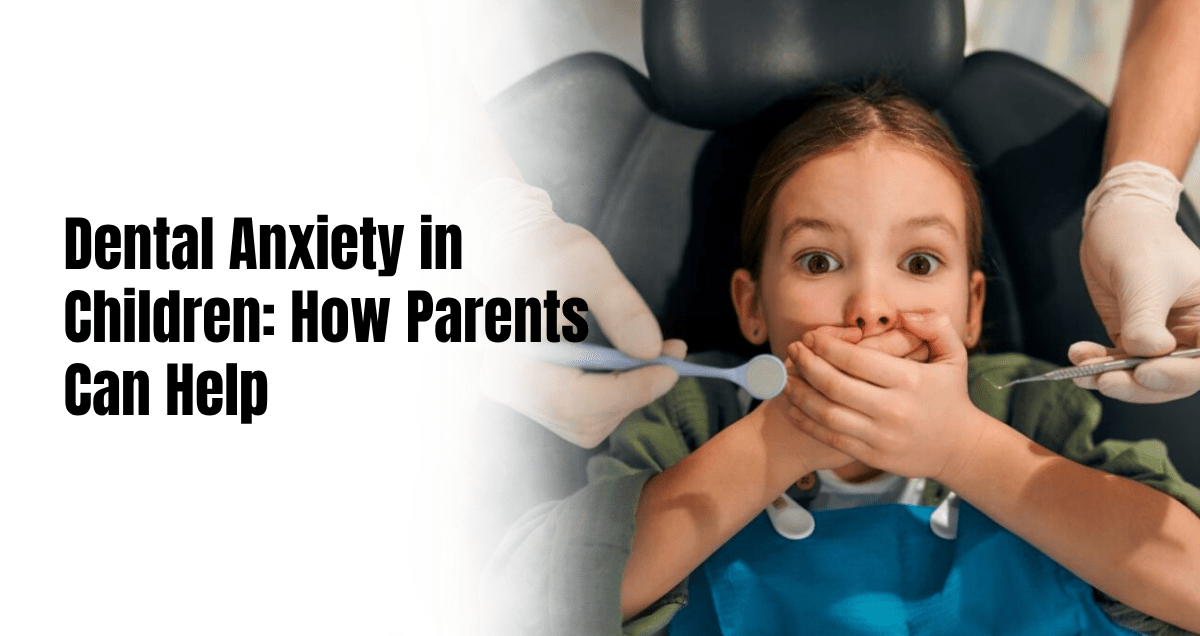
Many children feel nervous or fearful when visiting the dentist for the first time. For some kids, this fear may be mild and temporary, while others may experience stronger anxiety that makes dental visits stressful. Dental anxiety in children is a common challenge faced by parents and pediatric dentists alike.
When a child becomes fearful of dental visits, it may lead to avoidance of necessary treatment. Over time, untreated dental problems can worsen and require more complex care. Helping children feel comfortable with dental visits is therefore essential for maintaining healthy teeth and gums.
Understanding the causes of dental anxiety and learning how parents can support their children can make dental appointments much smoother and more positive.
What Is Dental Anxiety in Children?
Dental anxiety refers to fear, stress, or nervousness related to visiting the dentist or receiving dental treatment. Children with dental anxiety may show emotional or physical reactions when they know they are going to a dental clinic.
Common behaviors include:
- Crying or resisting dental appointments
- Complaining of stomach aches before visits
- Clinging to parents in the clinic
- Refusing to open their mouth for examination
These reactions are often temporary and can be managed with proper preparation and reassurance.
Why Dental Visits Are Important for Children
Despite fears or hesitation, regular dental visits play a crucial role in a child’s oral health.
Routine checkups help to:
- Detect cavities early
- Monitor tooth development
- Prevent gum problems
- Teach proper oral hygiene habits
Avoiding dental visits due to fear may allow small issues to develop into bigger problems.
For example, early signs such as yellow teeth or discoloration can sometimes indicate underlying issues that need professional attention. Parents can learn more about this in our related guide on Yellow Teeth in Children: Causes & Treatment Options.
Common Causes of Dental Anxiety in Children
Understanding the reasons behind dental anxiety helps parents address the problem effectively.
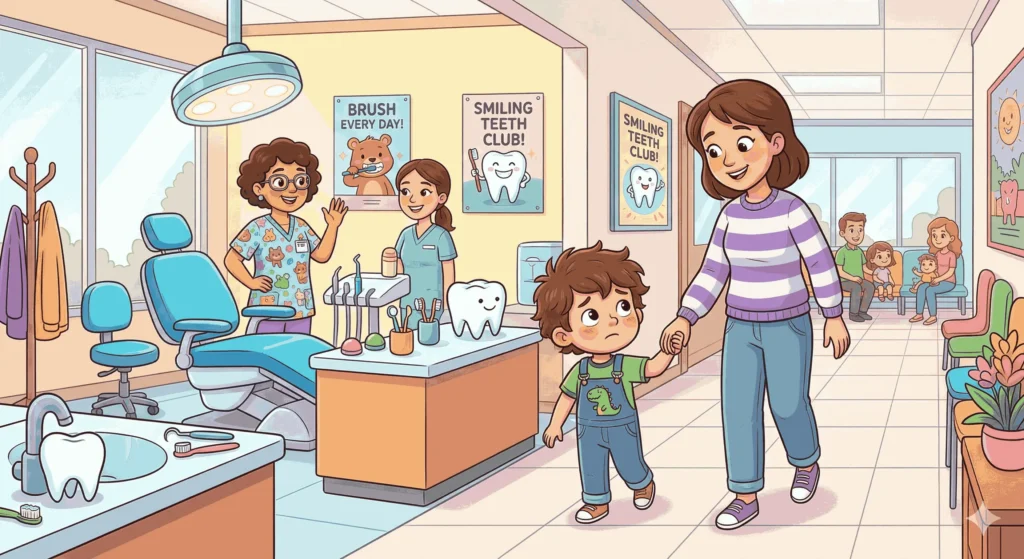
Fear of the Unknown
Children who have never visited a dentist may imagine the experience as painful or frightening.
Previous Negative Experience
A painful dental procedure or uncomfortable visit in the past can create lasting fear.
Stories from Others
Children may hear frightening stories from siblings, friends, or even adults about dental procedures.
Sensory Sensitivity
The unfamiliar sounds, smells, and instruments in a dental clinic may overwhelm some children.
Parental Anxiety
Children often mirror the emotions of their parents. If parents appear nervous about dental visits, children may adopt the same attitude.
Signs Your Child May Have Dental Anxiety
Parents can identify dental anxiety by observing certain behaviors.
Common warning signs include:
- Refusal to attend dental appointments
- Crying or tantrums before visits
- Complaints of pain even without dental problems
- Difficulty cooperating during examination
- Trouble sleeping the night before an appointment
Early recognition allows parents to take supportive steps.
How Dental Anxiety Can Affect Oral Health
If dental anxiety is not addressed, children may avoid dental care altogether.
This can lead to:
- Untreated cavities
- Tooth infections
- Gum problems
- Pain while eating
- Poor oral hygiene habits
For example, untreated dental issues in children may appear as black spots on teeth, which can sometimes indicate early tooth decay. Parents can understand these warning signs better by reading Black Spots on Kids’ Teeth: Are They Cavities?
Early dental care prevents these complications and helps children maintain healthy smiles.
How Parents Can Help Children Overcome Dental Anxiety
Parents play a crucial role in shaping their child’s perception of dental visits. Positive preparation and reassurance can significantly reduce anxiety.

Talk About the Dentist Positively
Explain dental visits in a calm and encouraging way. Avoid words like “pain,” “needle,” or “hurt.”
Instead, describe the dentist as someone who helps keep teeth strong and healthy.
Start Dental Visits Early
Children who begin dental visits at an early age tend to feel more comfortable with routine checkups.
Early exposure helps normalize the dental environment.
Read Books or Watch Videos About Dental Visits
Child-friendly educational materials can help children understand what happens during a dental appointment.
This reduces fear of the unknown.
Practice at Home
Parents can play “dentist” at home by counting teeth or using a toothbrush to pretend to examine their child’s mouth.
This activity familiarizes children with dental checkups.
Stay Calm and Supportive
Children observe their parents closely. Remaining calm and reassuring helps children feel safe.
Avoid expressing your own dental fears in front of your child.
Reward Positive Behavior
After a successful dental visit, praise your child or offer a small reward. Positive reinforcement helps create pleasant associations with dental care.
How Dentists Help Reduce Dental Anxiety
Pediatric dentists are trained to manage children’s fears using gentle and child-friendly approaches.
These techniques include:
- Explaining procedures in simple language
- Allowing children to see and touch instruments
- Using distraction techniques
- Providing reassurance throughout treatment
A calm and supportive environment can transform a child’s dental experience.
When Dental Anxiety Requires Extra Support
In some cases, anxiety may be strong enough to interfere with necessary treatment.
Signs that professional behavioral guidance may be needed include:
- Severe fear preventing examination
- Extreme distress during appointments
- Avoidance of dental visits for long periods
Dentists may use specialized behavioral management techniques to help the child feel comfortable.
Why City Smiles Dental Care Is the Right Choice for Pediatric Dental Care in Kolkata
At City Smiles Dental Care, we understand that dental anxiety in children is a real concern for many parents. Our approach focuses on creating a calm, welcoming environment where children feel safe and supported. Each child receives gentle care and clear explanations designed to reduce fear and build trust. Located in South Kolkata, the clinic provides dependable pediatric dental care that prioritizes comfort, prevention, and long-term oral health.
Why parents choose City Smiles Dental Care for children’s dental care:
- Child-friendly dental environment
- Gentle and reassuring examination approach
- Preventive focus for long-term oral health
- Guidance for parents on managing dental anxiety
- Early detection of dental problems
- Ethical and patient-first care
- Trusted dental clinic in South Kolkata
Conclusion
Dental anxiety in children is common, but with the right approach it can be successfully managed. By preparing children positively, encouraging regular dental visits, and choosing a supportive dental environment, parents can help their children develop healthy attitudes toward dental care. Early prevention and gentle guidance ensure that dental visits become a normal and comfortable part of a child’s routine.
FAQs
- Is dental anxiety common in children?
Yes, many children feel nervous about dental visits, especially their first few appointments. - At what age should children visit the dentist?
The first dental visit is usually recommended around the child’s first birthday. - Can parents stay with children during treatment?
Yes, many dental clinics allow parents to stay nearby to reassure the child. - How can I prepare my child for a dental visit?
Talk positively about the dentist, read educational books, and avoid frightening descriptions. - Can dental anxiety affect oral health?
Yes, avoiding dental visits due to fear may lead to untreated dental problems.