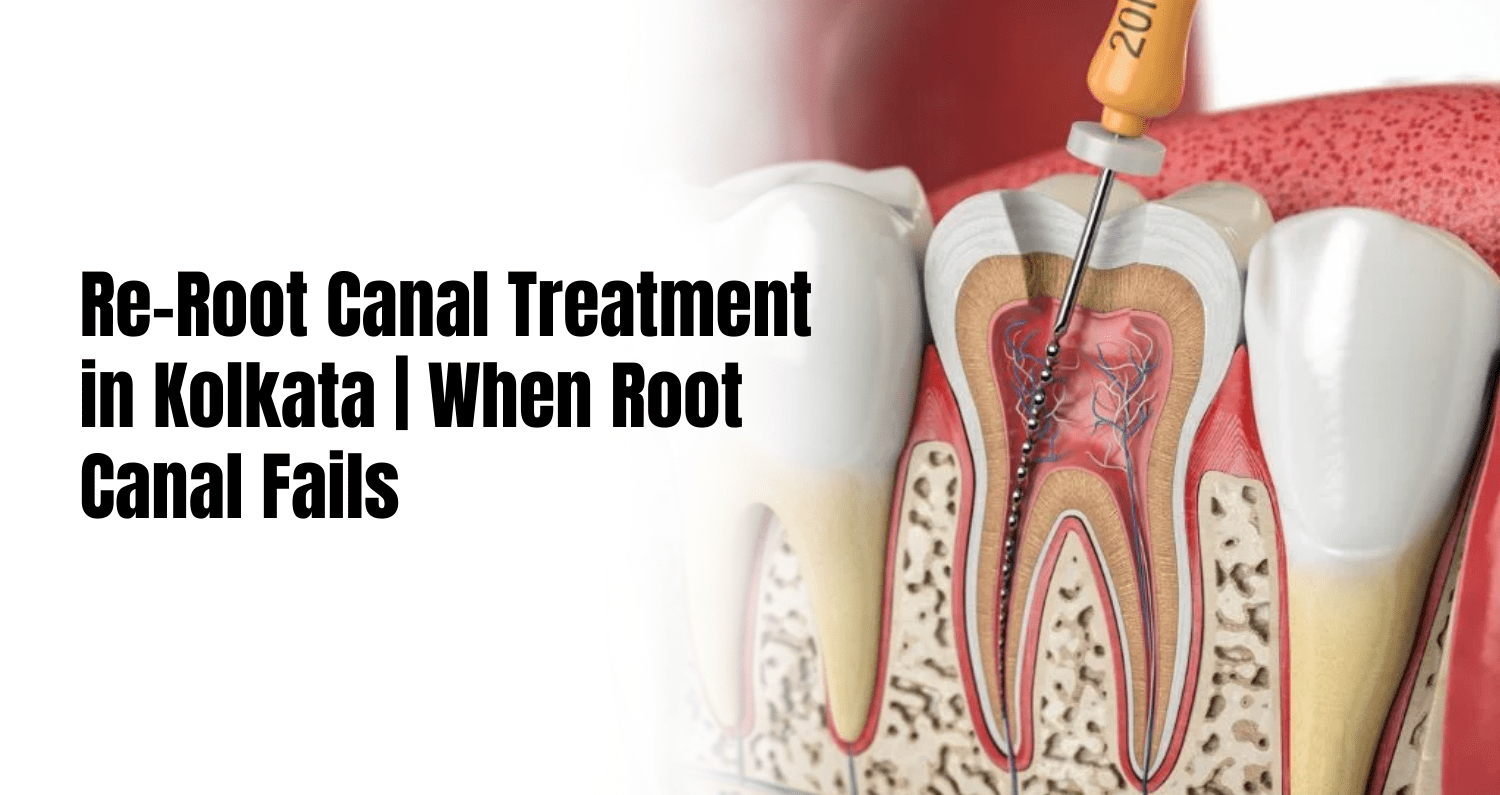
Root canal treatment (RCT) is designed to save an infected or damaged tooth and relieve pain permanently. However, in some cases, patients experience pain, swelling, or infection months or even years after the procedure. This situation is commonly referred to as failed root canal treatment.
When a previous RCT fails, the tooth does not always need to be extracted. In many cases, the tooth can still be saved with re-root canal treatment, also known as root canal retreatment. Understanding why RCT fails and when retreatment is required helps patients take timely action and avoid tooth loss.
What Is Re-Root Canal Treatment?
Re-root canal treatment is a dental procedure performed on a tooth that has already undergone root canal treatment but continues to show signs of infection or pain. The goal is to remove residual or new infection, thoroughly clean the canals again, and seal them properly to restore tooth health.
This procedure is more complex than a first-time RCT and requires expertise, precision, and advanced diagnostic tools.
Signs That Your Previous Root Canal Has Failed
Patients often ignore early warning signs, assuming discomfort is temporary. However, persistent symptoms indicate that retreatment may be necessary.
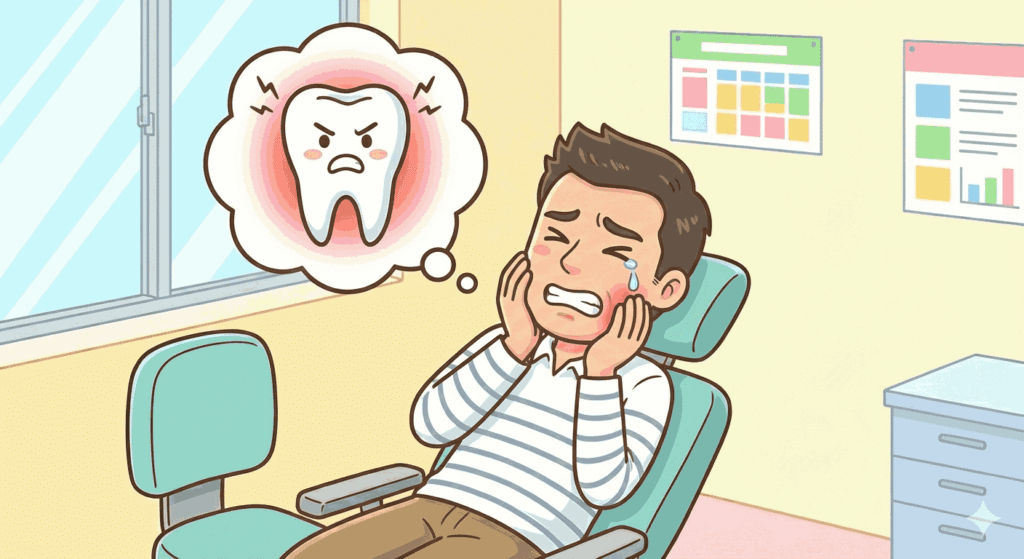
Common signs of failed root canal treatment include:
- Persistent or recurring tooth pain
- Swelling around gums or face
- Pus discharge near the treated tooth
- Pain while biting or chewing
- Sensitivity that does not go away
- Bad taste or foul smell in the mouth
- A pimple-like swelling on the gums
If you experience any of these symptoms, consult a dentist immediately for evaluation.
Why Does Root Canal Treatment Fail?
Root canal failure can occur for several reasons. Understanding these causes helps patients appreciate why retreatment is sometimes needed.
1. Missed Canals During Initial Treatment
Some teeth have complex root structures with extra or hidden canals. If even one canal is missed during the first RCT, bacteria can remain inside and cause reinfection.
This is one of the most common reasons for failed root canal treatment.
2. Incomplete Cleaning or Sealing of Canals
If canals are not cleaned thoroughly or sealed properly, bacteria can survive and multiply. Even small gaps in the filling material allow reinfection over time.
3. Delay in Crown Placement After RCT
After RCT, the tooth becomes weak and vulnerable. Delaying or skipping crown placement can lead to cracks, leakage, or bacterial entry, eventually causing failure.
4. Cracks or Fractures in the Tooth
Cracks may develop due to chewing pressure, trauma, or grinding. These cracks can allow bacteria to enter areas that cannot be cleaned during the original RCT.
5. New Decay Around the Treated Tooth
Poor oral hygiene or high sugar intake can cause new cavities around a treated tooth, exposing the root canal filling to bacteria again.
When Is Re-Root Canal Treatment Recommended?
Re-root canal treatment is recommended when:
- The tooth structure is still restorable
- Infection is localized and manageable
- There is no severe vertical fracture
- The patient wants to save the natural tooth
A thorough clinical exam and X-rays are required to determine whether retreatment is possible or extraction is the better option.
How Is Re-Root Canal Treatment Performed?
Re-RCT involves several careful steps:
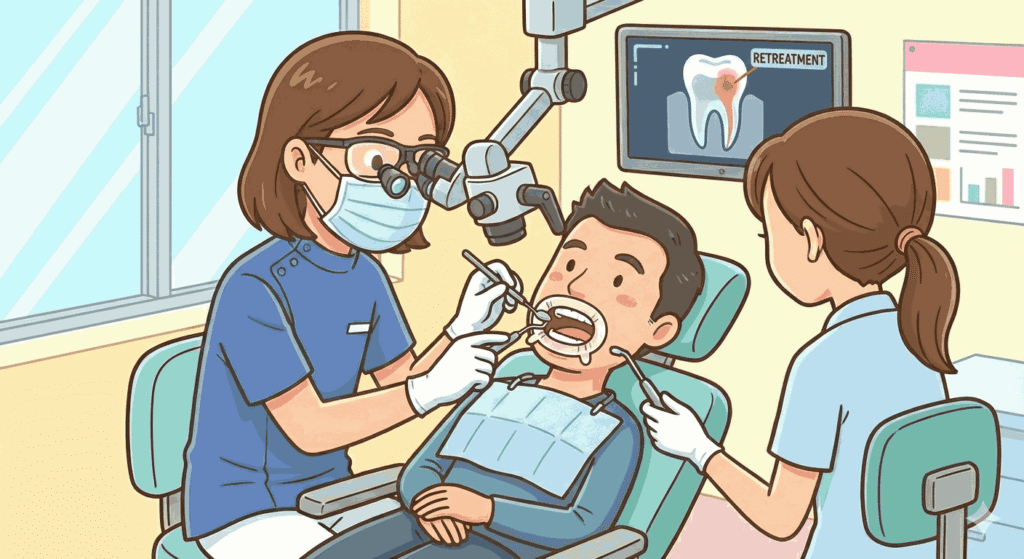
Step 1: Diagnosis and Imaging
Digital X-rays or advanced imaging help identify infection, missed canals, or structural issues.
Step 2: Removal of Old Filling Material
The dentist removes previous root canal filling material to access the canals again.
Step 3: Cleaning and Disinfection
All canals are thoroughly cleaned, disinfected, and shaped to eliminate bacteria.
Step 4: Re-Sealing the Canals
The canals are filled again with biocompatible material to prevent reinfection.
Step 5: Crown Replacement (If Needed)
A new crown may be placed to protect the tooth and restore function.
Because of its complexity, re-root canal treatment should always be done by an experienced dentist.
Is Re-Root Canal Treatment Painful?
Modern dental techniques ensure that re-RCT is generally comfortable. Local anesthesia is used, and patients typically experience minimal discomfort during and after the procedure.
Post-treatment soreness, if any, usually resolves within a few days.
Success Rate of Re-Root Canal Treatment
When performed correctly, re-root canal treatment has a high success rate. Saving the natural tooth is always preferable to extraction when possible, as it preserves chewing efficiency and jaw health.
Early diagnosis significantly improves success outcomes.
Cost of Re-Root Canal Treatment in Kolkata
The cost of re-root canal treatment in Kolkata varies depending on tooth type and complexity.
Approximate cost range:
- Front teeth: ₹4,000 – ₹7,000
- Premolars: ₹6,000 – ₹9,000
- Molars: ₹8,000 – ₹15,000
Additional costs may apply for:
- Crown replacement
- Advanced imaging
- Severe infections
Exact cost is determined after clinical evaluation.
Why Choose City Smiles Dental Care for Re-Root Canal Treatment in Kolkata
City Smiles Dental Care specializes in managing complex dental cases, including failed root canal treatments. Each retreatment case is carefully evaluated to determine whether the tooth can be saved safely and effectively. The clinic follows a conservative, tooth-preserving approach while using modern diagnostic tools for accurate treatment planning.
Why patients trust City Smiles Dental Care:
- Experienced dentists in root canal and retreatment cases
- Advanced diagnostic and treatment techniques
- Thorough cleaning and sealing protocols
- Clear explanation of treatment options and cost
- Focus on saving natural teeth whenever possible
- Ethical and patient-first approach
- Trusted dental clinic in South Kolkata
What Happens If Re-Root Canal Treatment Is Not Done?
Ignoring a failed RCT can lead to:
- Worsening infection
- Severe pain and swelling
- Bone loss around the tooth
- Tooth extraction
- Spread of infection to surrounding areas
Timely retreatment prevents these complications and preserves oral health.
Conclusion
A failed root canal does not always mean losing the tooth. Re-root canal treatment in Kolkata offers a reliable solution to eliminate infection and save your natural tooth when performed by an experienced dentist.
If you experience pain or swelling after a previous RCT, early consultation is crucial. City Smiles Dental Care provides expert re-root canal treatment with a focus on accuracy, comfort, and long-term success.
Frequently Asked Questions
1. How do I know if my root canal has failed?
Persistent pain, swelling, or infection after RCT are common signs.
2. Can a failed root canal always be retreated?
Not always. It depends on tooth structure and infection severity.
3. Is re-root canal treatment better than extraction?
When possible, saving the natural tooth is usually the better option.
4. How long does re-RCT take?
Usually one or two visits, depending on complexity.
5. Will I still need a crown after re-RCT?
Yes. A crown is usually recommended to protect the tooth.