
10 Early Childhood Dental Problems: A Detailed Guide for Parents in South Kolkata
Early childhood is a crucial period for dental development. Many parents believe that problems in baby teeth don’t matter because “they will fall out anyway,” but this is not true. Baby teeth guide speech, chewing, jaw growth, confidence, and the alignment of future permanent teeth.
Unfortunately, early childhood dental problems are extremely common in Kolkata because of sugary diets, feeding patterns, pollution, and irregular dental visits.
This guide is written to help parents in South Kolkata understand the 10 most common child dental problems, their symptoms, and how to prevent them.
Whether your child is a toddler, school-going kid, or teenager—this blog will help you identify issues early and seek timely treatment from the right pediatric dentist.
1. Tooth Decay (Cavities) – The Most Common Early Childhood Dental Problem
Tooth decay is one of the most widespread early childhood dental problems, especially in urban areas like South Kolkata where children frequently consume sugary snacks, juices, chocolates, biscuits, and packaged foods. Cavities form when food particles stay trapped on the tooth surface, allowing bacteria to produce acids that weaken the enamel. Because baby teeth have thinner enamel than adult teeth, decay spreads much faster in children.
If untreated, it can reach the nerves, causing pain, infection, or even tooth loss. Parents should look for symptoms such as brown or black spots, sensitivity to sweets, mild pain, or food getting stuck. Regular brushing, fluoride use, and early dental checkups significantly reduce the chances of cavities becoming serious issues.
2. Nursing Bottle Caries – A Silent but Serious Dental Issue in Toddlers
Nursing bottle caries is a severe form of tooth decay that affects infants and toddlers who sleep with bottles containing milk, formula, or juice. During sleep, saliva production decreases, allowing sugars from these drinks to stay on the teeth for hours. This leads to rapid decay, especially in the upper front teeth. Parents may notice discoloration, chipped teeth, irritability while feeding, or difficulty chewing. Nursing bottle caries can compromise eating, speech development, and future alignment of permanent teeth. To prevent this, parents should avoid giving bottles at bedtime, clean the baby’s gums after feeding, and transition to a cup by 12–15 months. Early awareness and timely visits to a pediatric dentist help prevent long-term damage.
3. Tooth Sensitivity – A Growing Concern in Young Children
Tooth sensitivity is another common child dental problem, where children experience discomfort while consuming cold water, sweets, or acidic foods. Sensitivity occurs when the enamel becomes thin or when dental cavities begin forming. Kids who grind their teeth or brush too hard may also have sensitive teeth. Sometimes, sensitivity appears naturally when permanent teeth begin erupting. Parents often ignore mild sensitivity, assuming it is temporary, but if it persists, it could signal deeper issues such as enamel erosion or early gum problems. A pediatric dentist may recommend fluoride treatments, sealants, or desensitizing toothpaste to strengthen the enamel. Early diagnosis helps prevent the sensitivity from turning into pain or long-lasting decay.
4. Early Tooth Loss – Often Ignored but Highly Impactful
Early tooth loss occurs when a baby tooth falls out before its natural time due to decay, trauma, or infection. Many parents mistakenly believe early loss is harmless because baby teeth “eventually fall out,” but this misconception leads to major orthodontic issues later. Baby teeth serve as natural placeholders for permanent teeth. When they fall out prematurely, the neighboring teeth shift into the empty space, leading to crowding, misalignment, and bite problems. Children may also face difficulty chewing or speaking clearly. Pediatric dentists often recommend space maintainers to preserve the gap until the permanent tooth erupts. Timely action prevents future braces treatment, saving time, cost, and discomfort.
5. Thumb Sucking – A Common Habit That Can Affect Teeth Alignment
Thumb sucking is normal in infants, but if the habit continues after the age of 4, it becomes one of the major early childhood dental problems. Prolonged thumb sucking exerts pressure on the teeth and jaws, causing forwardly placed teeth, open bites, and speech disturbances. Parents may observe that their child’s front teeth appear pushed outwards or that there is difficulty closing the mouth properly. This habit can also impact jaw growth, leading to long-term orthodontic issues. Pediatric dentists use gentle habit-breaking techniques, behavior reinforcement, and in some cases, special appliances to help stop the habit. Addressing thumb sucking early prevents misalignment and reduces the need for braces later.
6. Tongue Thrusting – An Overlooked but Serious Oral Habit
Tongue thrusting occurs when a child pushes the tongue forward against the teeth while swallowing, speaking, or even resting. This habit can lead to open bite formation, speech difficulties, and improper alignment of teeth. Causes may include prolonged bottle feeding, thumb sucking, allergies, mouth breathing, or enlarged tonsils. Many parents in South Kolkata overlook this issue because the symptoms develop slowly. Signs include lisping, gaps in the front teeth, or difficulty biting food properly. A pediatric dentist may recommend habit correction appliances, posture training, or referral to a speech therapist if the issue affects speech. Treating tongue thrusting early ensures proper jaw development and prevents orthodontic complications.
7. Teeth Grinding (Bruxism) – Stress-Related but Treatable
Teeth grinding, or bruxism, is increasingly common among school-going children. Stress, anxiety, hyperactivity, or even dental alignment issues may cause grinding, especially at night. Parents may hear grinding sounds during sleep or notice that the child’s teeth look worn or flattened. Bruxism can lead to headaches, jaw pain, sensitivity, and disrupted sleep. Although many children outgrow the habit, severe grinding requires attention from a pediatric dentist. Treatments may include night guards, stress-relief techniques, improving sleep hygiene, or correcting bite problems. Early intervention helps prevent enamel wear and long-term tooth damage.
8. Gum Problems (Gingivitis and Early Gum Disease) in Children
Gum issues are not limited to adults—many children develop mild to moderate gum disease due to improper brushing. Symptoms include red, swollen gums, bleeding during brushing, and persistent bad breath. This problem usually occurs because of plaque buildup around the gumline. If ignored, gum problems can progress and affect the supporting bone of the teeth. A pediatric dentist may recommend professional cleaning, improved brushing techniques, or fluoride application. Parents should encourage children to brush along the gumline and maintain good oral hygiene. Treating gum problems early ensures healthy gums and prevents complications that could affect permanent teeth.
9. Delayed Tooth Eruption – A Concern for Growing Children
Each child’s dental development follows a timeline, but significant delay in tooth eruption may indicate nutritional deficiencies, genetics, or underlying health conditions. Parents may worry when baby teeth erupt late or when permanent teeth don’t appear after the baby teeth fall out. Delayed eruption may also cause misalignment, spacing issues, or chewing difficulties. A pediatric dentist will examine whether the tooth is stuck, blocked by bone, or developing at a slower pace. Sometimes X-rays are recommended to check the growth pattern. Early evaluation ensures proper monitoring and timely treatment, helping children maintain normal dental development.
10. Dental Trauma – One of the Most Immediate Childhood Dental Problems
Dental injuries happen frequently due to falls, sports, cycling, or playground accidents. Chipped, cracked, or knocked-out teeth are common emergencies. Parents must act quickly—especially if a permanent tooth is knocked out. Saving the tooth in milk and rushing to the dentist can sometimes save it. Even minor chips should not be ignored, as they can expose nerves or affect bite. Pediatric dentists can repair broken teeth, prevent infection, and restore function. Early treatment helps avoid long-term cosmetic and orthodontic complications.
When Should Parents in South Kolkata Visit a Pediatric Dentist?
Parents should visit a pediatric dentist as soon as they notice any signs of the dental problems listed above. Ideally, children should have a dental checkup every six months starting at age 1. Regular visits allow early detection of cavities, gum disease, misalignment, and habits like thumb sucking or tongue thrusting. Early care ensures healthier teeth, prevents pain, and reduces future treatment costs.
How Parents Can Prevent Early Childhood Dental Problems
Prevention is the best way to protect children’s dental health. Parents should ensure twice-daily brushing using fluoride toothpaste, limit sugary snacks, avoid giving milk at bedtime, and teach proper oral hygiene habits. Good nutrition, adequate hydration, and regular dental visits significantly reduce the risk of early childhood dental problems. Children who form good habits early usually carry them into adulthood, ensuring long-term oral health.
Why City Smiles Dental Care is Trusted by Parents in South Kolkata
City Smiles Dental Care offers expert pediatric dentistry with a focus on gentleness, comfort, and preventive care. The clinic provides child-friendly environments, modern technology, painless treatments, and personalized guidance for parents. For families searching for solutions to early childhood dental problems, City Smiles remains a reliable choice in South Kolkata.
About the Author
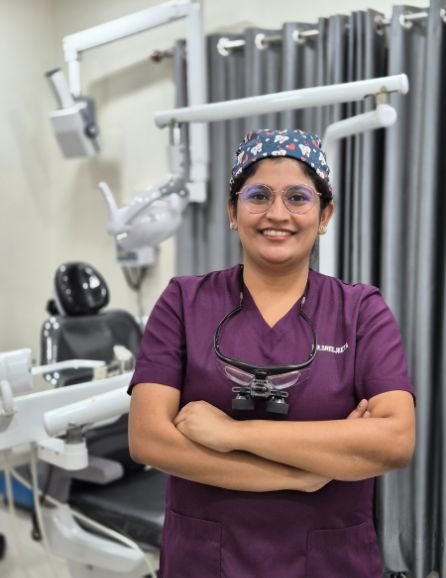
Dr. Sreejeeta Dey
BDS (MCODS Mangalore), MDS (JSS Mysore)
Consultant Pediatric & Preventive Dentist
Co-Founder, City Smiles Dental Care — Baghajatin, Kolkata
Dr. Sreejeeta Dey is a child-focused dental specialist known for her gentle approach and strong emphasis on preventive care. With advanced training in pediatric dentistry from JSS Mysore, she is experienced in managing anxious children, performing painless treatments, and promoting early oral health habits. As the Co-Founder of City Smiles Dental Care, she is dedicated to creating a safe, friendly, and positive dental experience for every child who walks through the door.
At City Smile Dental Care, the focus is simple:
Advanced dentistry. Zero fear. Total comfort.